


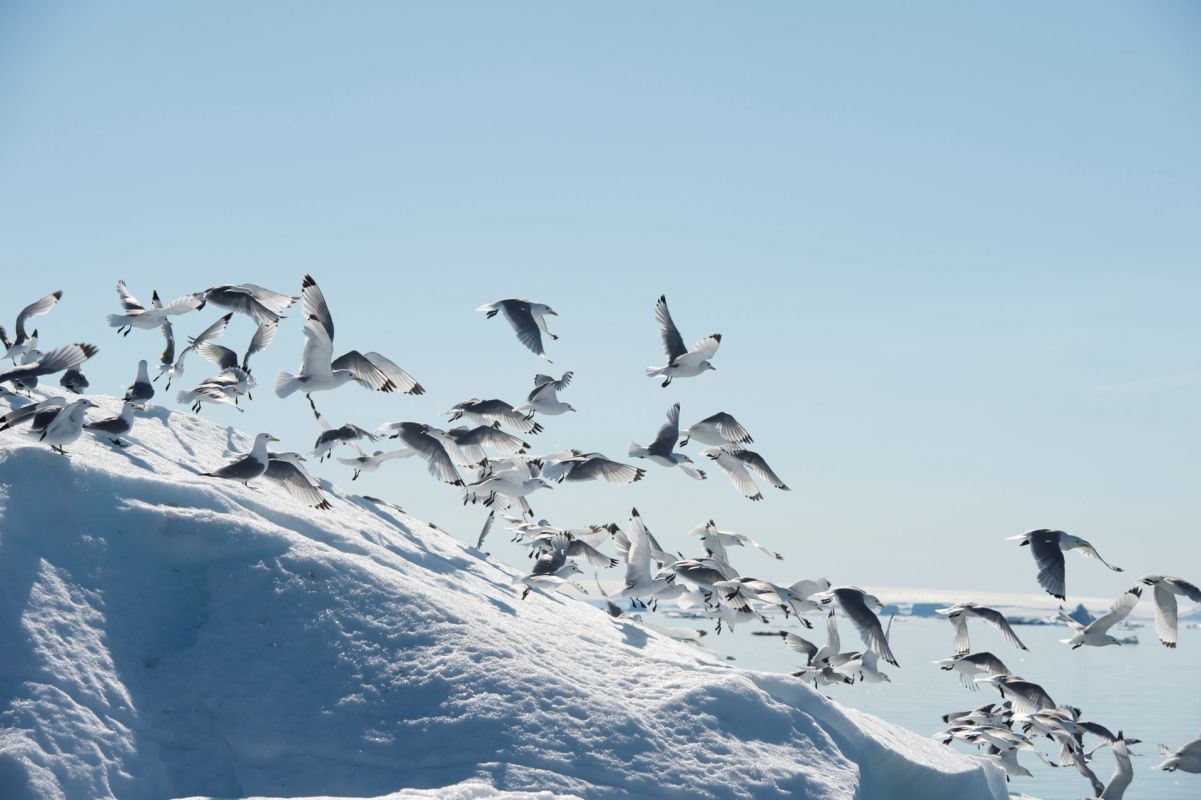
Rising global temperatures are pushing wildlife to relocate faster — and in more unpredictable ways — than many scientists once expected.
That is creating a growing challenge for conservationists, reported Earth.org. Protected areas, migration maps, and wildlife management plans built for a more stable climate may no longer align with where species can actually survive.
Researchers studying climate-driven species shifts have said many animals are moving poleward, climbing to higher elevations, or seeking cooler regions as temperatures rise and older habitats become less habitable.
But the changes are not happening in a simple, uniform pattern. A 2023 study found that fewer than half of documented species shifts matched the expected direction or pace scientists had predicted.
The impacts are already becoming visible across a wide range of ecosystems.
In the Arctic, caribou are facing earlier snowmelt, shifting vegetation cycles, and ice layers that can trap food beneath frozen crusts.
TCD Picks » Quince Spotlight
💡These best-sellers from Quince deliver affordable, sustainable luxury for all




Researchers noted that worsening insect harassment during warmer seasons is also draining the energy the animals need for migration and reproduction. As seasonal timings change, caribou migrations are increasingly falling out of sync with peak plant growth, reducing access to critical food resources.
For many Indigenous communities in the Arctic, caribou are deeply tied to food systems, cultural traditions, and local economies. When migration routes shift or populations decline, communities can lose access to a resource they have relied on for generations.
Elsewhere, Bengal tiger populations in the Sundarbans mangrove forest in Bangladesh and India are being pressured by sea-level rise and saltwater intrusion, pushing some animals inland toward communities that depend on farming and fishing.
As tigers move closer to populated areas, the likelihood of dangerous encounters between wildlife and humans increases.
In northern oceans, cold-water species, such as polar cod, are also under pressure as warmer-water fish species expand into Arctic ecosystems.
Polar cod help transfer energy through Arctic food webs, supporting whales, seals, seabirds, and other species. If those fish populations weaken, entire ecosystems can become less stable.
Taken together, the changes highlight how climate-driven ecosystem disruption can affect food security, public safety, economic stability, and biodiversity.
Researchers have said conservation strategies will likely need to become far more flexible in response.
Possible approaches include creating adaptable wildlife corridors, reducing other human pressures on ecosystems, and, in some cases, considering assisted relocation for species unable to move quickly enough on their own.
There has already been some international policy momentum. In 2022, 196 countries adopted the Kunming-Montreal Global Biodiversity Framework, which includes goals to halt and reverse nature loss by 2030 while improving habitat connectivity.
Scientists have said stronger coordination and better data will be essential if those commitments are going to translate into effective action.
New technologies are beginning to help researchers track changes in real time. Citizen science platforms, such as iNaturalist, allow the public to contribute wildlife observations, while airborne environmental DNA surveys are expanding scientists' ability to detect species across large areas.
Experts have also emphasized that Indigenous peoples and local communities must play a central role in future conservation planning, since long-term local knowledge can capture ecological shifts that short-term studies and satellite data may miss.

Get TCD's free newsletters for easy tips, smart advice, and a chance to earn $5,000 toward home upgrades. To see more stories like this one, change your Google preferences here.






