What if a single burial could reveal not only how one woman lived, but how an entire society understood status, ritual, and death? Archaeologists in England say a newly uncovered Roman grave may do exactly that.
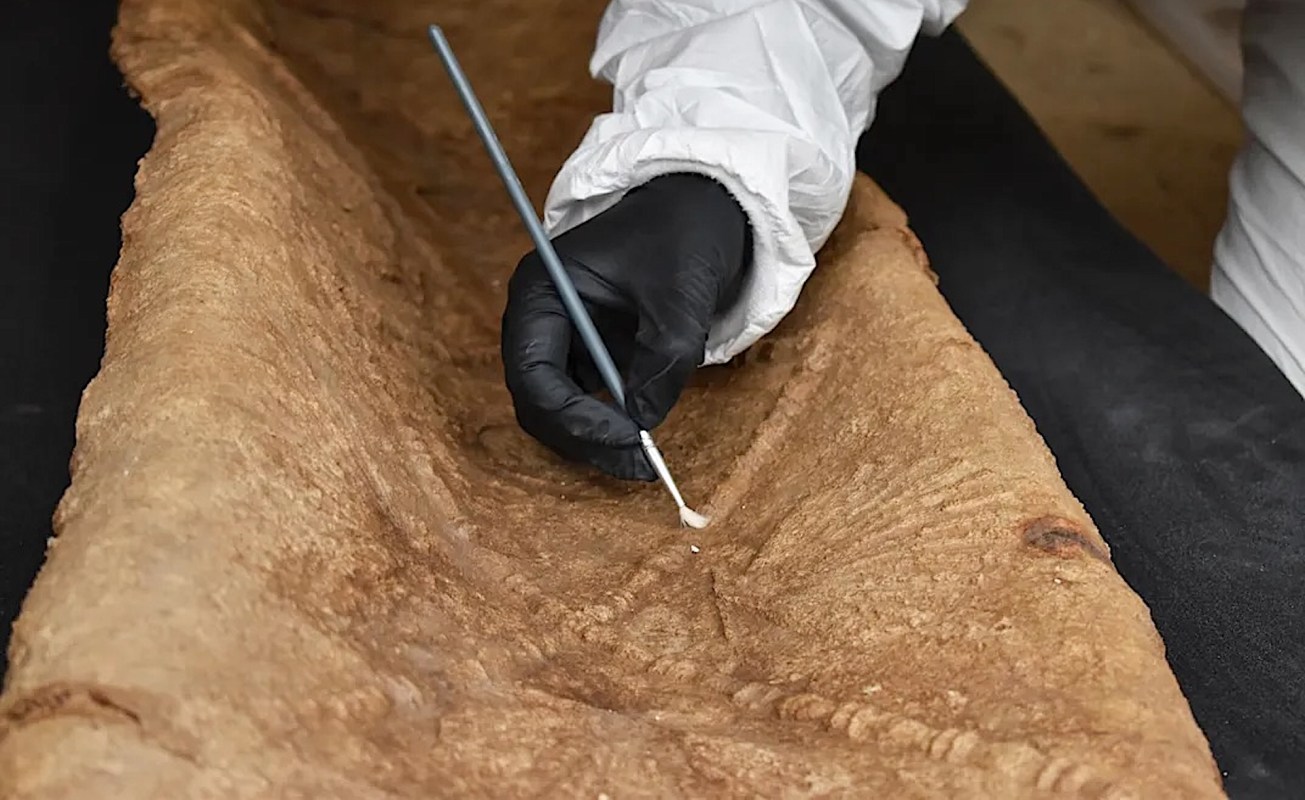
According to Smithsonian Magazine, researchers recently discovered the remains of a high-status woman buried in an ornate lead coffin in Colchester, Essex.
Nicknamed the "Lexden Lady," the woman is offering archaeologists an unusually detailed glimpse into elite life and burial practices in late Roman Britain.
"This is certainly the most spectacular [burial] I have seen," Robert Masefield, archaeology director at Tetra Tech Consulting, said in the statement. "The young woman was clearly cherished by her family and by her community."
The burial was uncovered in 2023 during redevelopment work at the former Essex County Hospital site, which is being converted into housing. The location carries special historic significance because Colchester, known in Roman times as Camulodunum, was the first capital of Roman Britain.
Archaeologists believe the woman died in her late 20s or 30s and likely belonged to the city's Roman elite.
Save $10,000 on solar panels without even sharing your phone number Want to go solar but not sure who to trust? EnergySage has your back with free and transparent quotes from fully vetted providers that can help you save as much as $10k on installation. To get started, just answer a few questions about your home — no phone number required. Within a day or two, EnergySage will email you the best local options for your needs, and their expert advisers can help you compare quotes and pick a winner. |

She was buried inside a decorated lead coffin featuring scallop shells, circles, and bead-and-double-reel-style linear designs arranged in diamond patterns.
Such burials are exceptionally uncommon. Lead coffins account for only about 2% of inhumation burials discovered in Roman Britain, and decorated examples are even rarer.
Inside the coffin, researchers found a striking collection of grave goods, including jet hairpins, rare glass flasks, exotic resins, traces of frankincense, and gypsum.
Based on the coffin's placement and the objects buried alongside her, archaeologists believe the woman received a pagan burial dating to the late Roman period, likely between the mid-third and mid-fifth centuries C.E.
TCD Picks » Quince Spotlight
💡These best-sellers from Quince deliver affordable, sustainable luxury for all




The coffin's decorations may also hold symbolic meaning. Archaeologists suggest the scallop shell motifs could represent the soul's journey to the Blessed Isles, while the circular patterns may symbolize the sun or moon.
"Together they allow us to glimpse not just a person, but the care, ritual, and belief that surrounded her burial in late Roman Colchester," said Adam Wightman, director of archaeology at Colchester Archaeological Trust, in the statement.
One especially important detail is the presence of gypsum.
In Roman Britain, bodies were sometimes covered in liquid gypsum that hardened into a cast around the deceased. This process could preserve body position, clothing impressions, and other physical details long after human remains deteriorated.
Researchers say that may allow them to reconstruct aspects of how the Lexden Lady was prepared and laid to rest.
Additional evidence, including soil staining and iron nails, suggests the lead coffin was originally enclosed within a wooden outer coffin, adding another layer of complexity and expense to the burial.
For the public, discoveries like this highlight how redevelopment projects can uncover valuable historical knowledge rather than simply erase the past.
Archaeologists are now combining specific scientific analysis with evidence from the coffin and grave goods to build a fuller picture of the woman's life and the community that buried her.

Get TCD's free newsletters for easy tips, smart advice, and a chance to earn $5,000 toward home upgrades. To see more stories like this one, change your Google preferences here.
Cool Picks