


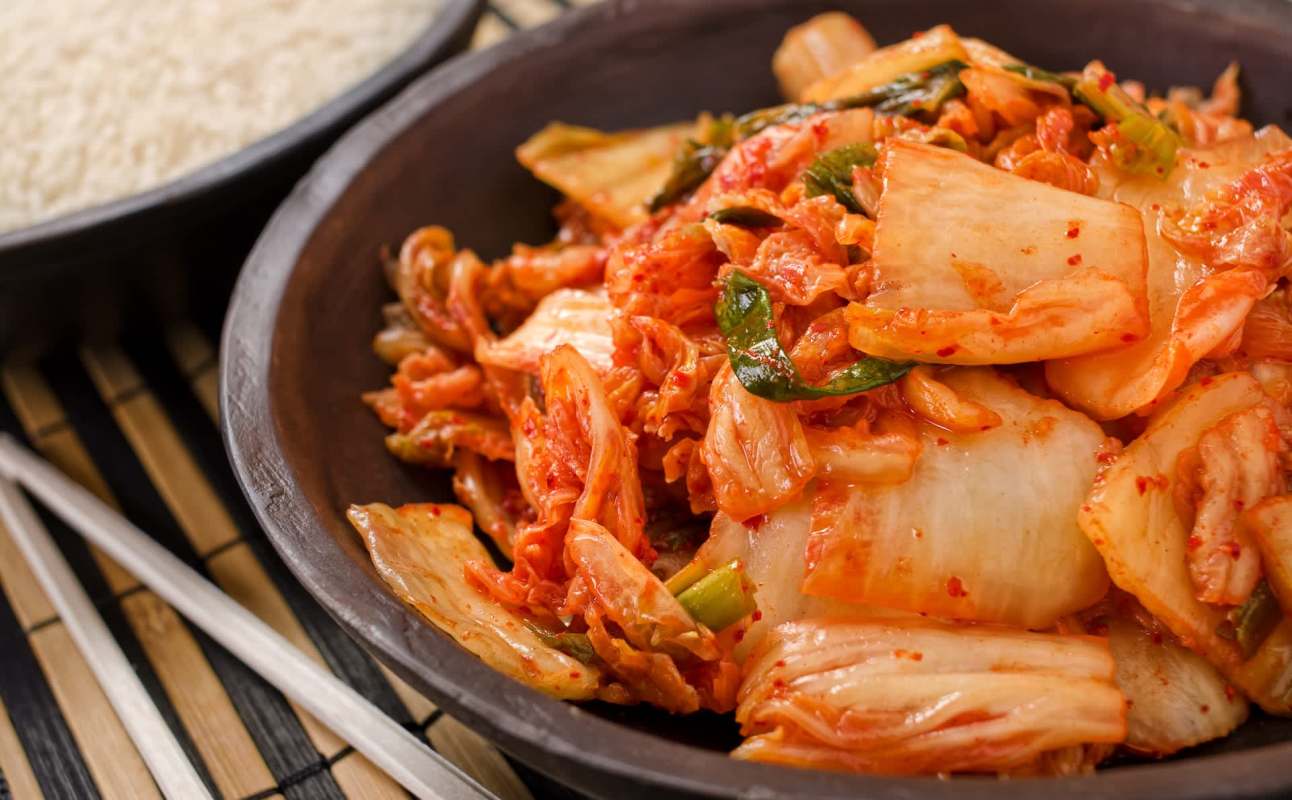
Kimchi is already celebrated for its tangy flavor and probiotic benefits, but scientists in South Korea say one bacterium isolated from the fermented dish may offer another intriguing possibility — helping the body remove nanoplastics.
According to researchers, the probiotic appeared in early lab and animal testing to latch onto tiny plastic particles in the gut and help carry them out through waste. Their study was published in Bioresource Technology.
The World Institute of Kimchi, which is a publicly funded institute under the Ministry of Science and ICT, announced findings from a study on a kimchi-derived lactic acid bacterium called Leuconostoc mesenteroides CBA3656.
Researchers led by Drs. Sehee Lee and Tae Woong Whon tested how effectively the strain could bind to polystyrene nanoplastics. Nanoplastics are plastic particles smaller than 1 micrometer, and they can form as larger plastic items break down over time.
People may be exposed to them through food and drinking water.
Under standard lab conditions, the kimchi strain showed 87% adsorption, close to the 85% result seen in a reference strain.
TCD Picks » Quince Spotlight
💡These best-sellers from Quince deliver affordable, sustainable luxury for all




But in conditions designed to resemble the human intestine, the difference became much more pronounced. The reference strain's binding rate dropped to 3%, while CBA3656 maintained a 57% rate.
The team also tested the probiotic in germ-free male and female mice. Mice given the kimchi-derived strain had over twice as much nanoplastic in their feces as mice that did not receive it.
Because of their size, experts and researchers around the world are concerned nanoplastics could move past the intestinal barrier and collect in organs such as the kidneys and brain. Researchers are still in the early stages of determining what levels of nanoplastic exposure mean for the body and what biological methods might help lower buildup safely.
"Plastic pollution is increasingly recognized not only as an environmental issue but also as a public health concern," said Dr. Sehee Lee, the study's lead researcher, according to ScienceDaily. "Our findings suggest that microorganisms derived from traditional fermented foods could represent a new biological approach to address this emerging challenge."
That does not mean kimchi is now a proven detox treatment for plastic. But it does point to a possible new tool worth studying.

Get TCD's free newsletters for easy tips, smart advice, and a chance to earn $5,000 toward home upgrades. To see more stories like this one, change your Google preferences here.






