


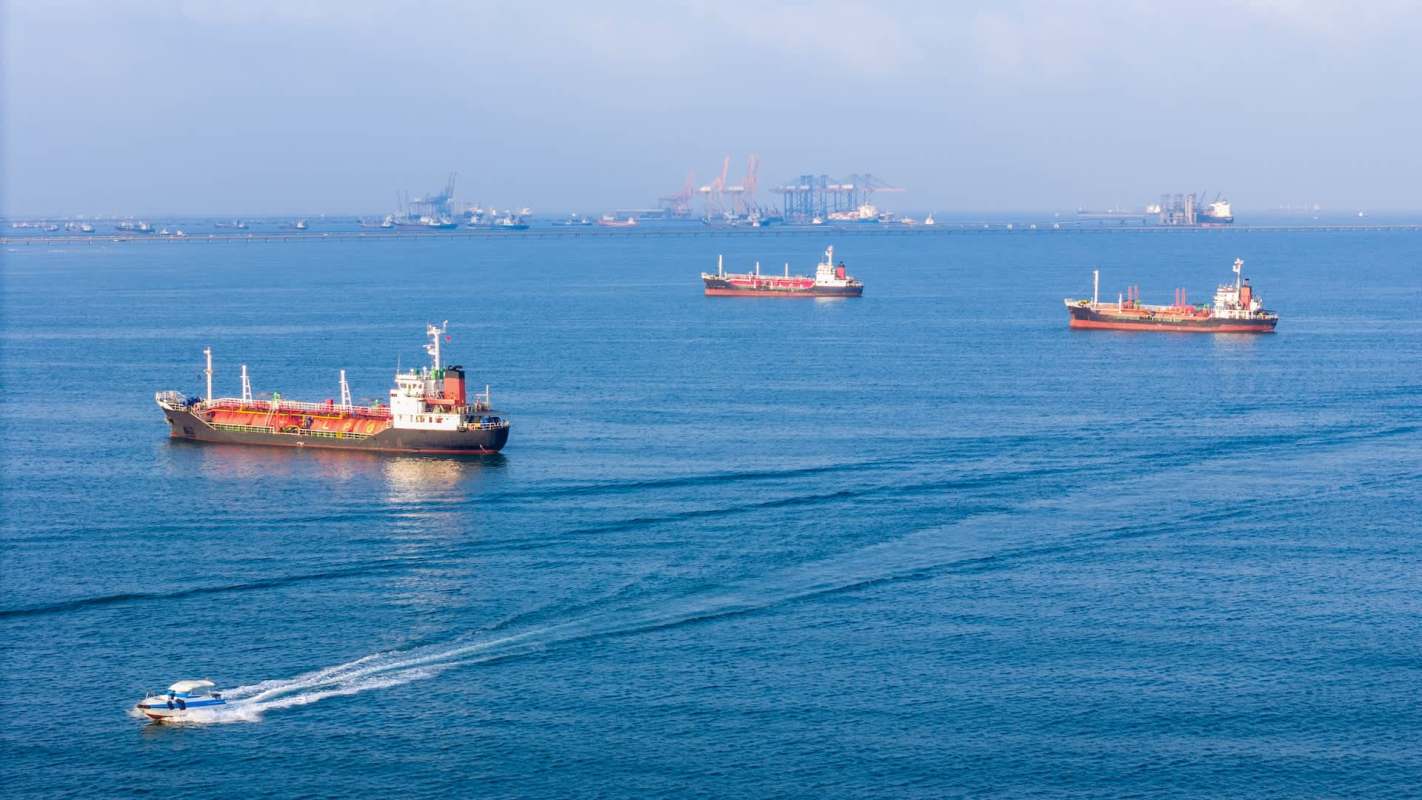
A deepening crisis in the Strait of Hormuz is putting the global oil system under intense strain, according to a new warning from the International Energy Agency.
According to a report from Raw Story, agency officials said that the world may be down to only a few weeks of oil reserves, increasing the odds that energy prices will climb even more in the weeks ahead.
IEA Executive Director Fatih Birol warned reporters in Paris on May 18 that global oil inventories are "declining rapidly" as disruptions tied to the Hormuz crisis continue.
Birol also warned that the supply shortage of global fertilizers, also caused by the Iran war, could soon cause a major surge in food prices.
When oil and fertilizer supplies tighten this quickly, families, farms, and small businesses often feel it fastest. Higher crude prices can ripple through the economy in the form of more expensive gasoline, costlier flights, rising shipping charges, and steeper prices for goods that depend on trucking and air transport.
The crisis also highlights how heavily the world still depends on fossil fuels — and how risky that dependence can be.
TCD Picks » Quince Spotlight
💡These best-sellers from Quince deliver affordable, sustainable luxury for all




Fossil fuel extraction, refining, and burning harm people and communities in multiple ways. On the global scale, they worsen the extreme weather disasters that destroy homes, livelihoods, and local economies. And locally, they drive air and water pollution linked to asthma, heart disease, cancer, and premature death.
In short, the same unstable system causing soaring gas prices can also undermine public health, community safety, and economic security at home.
According to a recent report from The Financial Times, energy markets are quickly approaching a "tipping point" where countries could see another major surge in oil prices.
For everyday consumers, there are practical ways to reduce exposure, even if you can't influence the situation directly. Driving less, combining trips, using public transit when available, and improving home energy efficiency can help soften the impact of volatile fuel prices.
Over time, shifting toward cleaner technologies such as electric vehicles and renewable-powered homes can also reduce dependence on oil markets that are prone to shocks.
Paul Diggle, chief economist at fund manager Aberdeen, told The Financial Times that increasing crude oil prices could set off a global inflation crisis.
"We are taking that outcome very seriously," Diggle said. "We are living on borrowed time."

Get TCD's free newsletters for easy tips, smart advice, and a chance to earn $5,000 toward home upgrades. To see more stories like this one, change your Google preferences here.






