


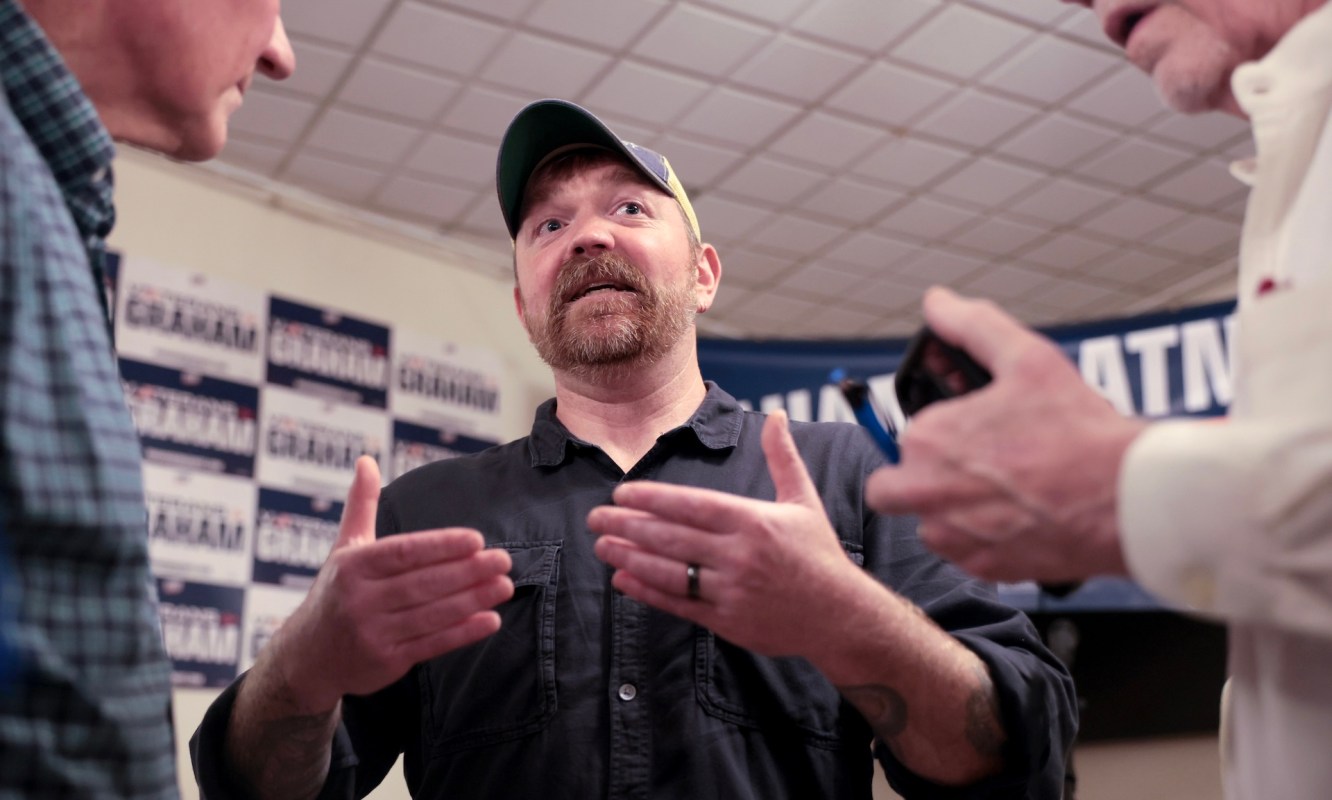
Marine veteran and oyster farmer Graham Platner is pitching Maine voters on a message that blends climate action with cost-of-living relief: lower power bills now, build more clean energy quickly, and make oil companies help pay for it.
As Platner emerges as the presumptive Democratic Senate nominee, his energy platform is trying to connect kitchen-table affordability with a sharper attack on what he describes as the "fossil fuel oligarchy."
According to Inside Climate News, Platner recently unveiled an energy plan focused on immediate consumer relief alongside a longer-term clean energy buildout.
His proposal includes a temporary freeze on electricity rates, rebates on electric bills, and the elimination of federal taxes on gasoline and diesel. To offset that lost revenue, Platner is calling for higher taxes on the wealthiest Americans and a levy on oil company "windfall profits."
Platner has also backed major federal support for transmission lines, large clean energy projects, and manufacturing tied to the energy transition. That support would include low-interest financing and use of the Defense Production Act to speed up production of key parts and supplies.
The timing of the proposal is especially significant in Maine, where residents contend with some of the highest residential electricity prices in the country and many households still depend on costly heating oil and kerosene.
TCD Picks » Quince Spotlight
💡These best-sellers from Quince deliver affordable, sustainable luxury for all




Platner, who has spoken about witnessing destructive coastal storm damage in Maine firsthand, told ICN, "We need to get off fossil fuels."
For many families, the issue is less about abstract climate policy and more about what shows up in the monthly budget. If electricity rates are frozen, rebates arrive, and cleaner heating options become easier to install, households could see real savings while becoming less vulnerable to swings in oil and gas prices.
Platner's plan reflects a broader political shift, with more candidates framing climate action around affordability, jobs, and energy independence instead of emissions targets alone. In Maine, that approach may resonate as coastal communities face stronger storms and residents continue to struggle with high utility costs.
Beyond rebates and tax changes, the plan also supports a "Whole Home Repair Program" modeled on Pennsylvania's. The program would help households make repairs before installing technologies such as heat pumps.
Labor and climate advocates in Maine say that kind of near-term relief is crucial if the state hopes to build public support for bigger clean energy projects later, including transmission and offshore wind infrastructure.
As climate and affordability become increasingly intertwined on the campaign trail, Maine may serve as an early test of whether voters will embrace a Green New Deal-style pitch centered on lower bills, housing repairs, and cleaner power.

Get TCD's free newsletters for easy tips, smart advice, and a chance to earn $5,000 toward home upgrades. To see more stories like this one, change your Google preferences here.






