


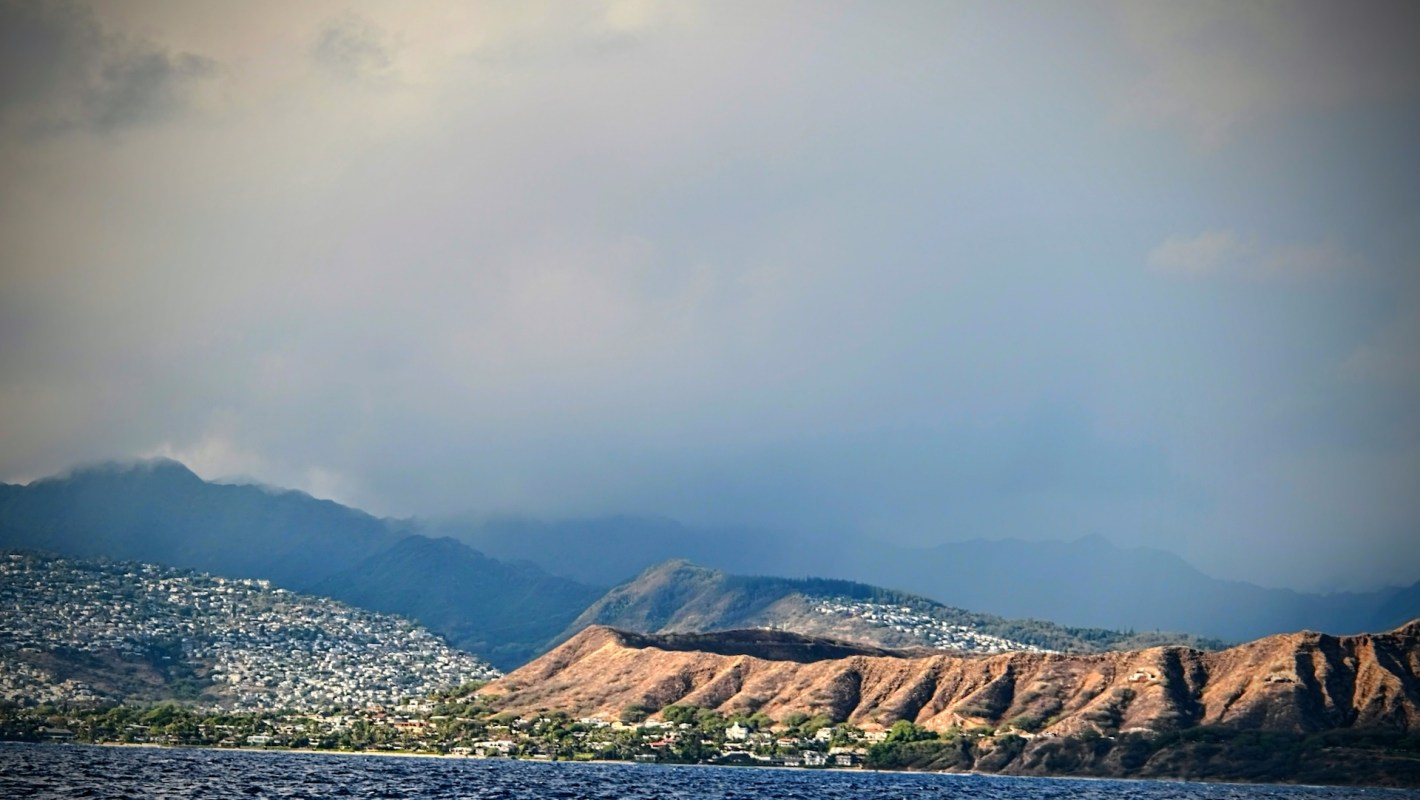
A fight over visibility in Hawaiʻi's national parks has evolved into a much broader dispute over oil-fired power, grid reliability, and federal clean air rules.
According to Spectrum News, the U.S. Environmental Protection Agency has partially rejected Hawaiʻi's 2024 regional haze plan, preventing the state from using it to permanently shut down certain fuel-oil generating units on Maui and Hawaiʻi Island.
The EPA said the state's plan did not meet requirements under the federal Clean Air Act and was not necessary to achieve regional haze goals designed to improve visibility in protected federal lands.
Those rules stem from the EPA's 1999 Regional Haze Rule, which set long-term targets to restore natural visibility in 156 Mandatory Federal Class I areas by 2064. In Hawaiʻi, those areas include Haleakala National Park and Hawaiʻi Volcanoes National Park.
Hawaiian Electric had initially proposed retiring six boiler units at the Kanoelehua-Hill Station in Hilo and the Kahului Generating Station, along with several diesel engine generators at the Maʻalaea Generating Station on Maui.
However, the utility later withdrew the proposal, warning that shutting down those units could create energy reserve shortfalls and threaten grid reliability across the islands.
TCD Picks » Quince Spotlight
💡These best-sellers from Quince deliver affordable, sustainable luxury for all




The EPA also noted that forcing compliance with the initial plan without just compensation could raise constitutional concerns under the U.S. Constitution's Takings Clause, along with potential issues under state law.
"We remain committed to ensuring American families — here in the Pacific Southwest and across the U.S. — have continued access to stable and affordable energy," said EPA acting Pacific Southwest regional administrator Michael Martucci, per Spectrum News. "EPA's partial disapproval of the Hawaiʻi SIP revision delivers on this promise in a way that is fully compliant with the Clean Air Act, while responding to the unique energy needs of the Hawaiian Islands."
The decision has sparked strong criticism because it sits between two particularly hot-button issues: protecting Hawaiʻi's iconic natural landscapes and transitioning away from oil-fired electricity generation.
"When the EPA disapproved Hawaiʻi's plan to protect park air, they put parks, visitors, and communities at risk," said Ulla Reeves, clean air program director for the National Parks Conservation Association, per Spectrum News.
Oil-fired power generation contributes to air pollution that can worsen respiratory illness and increase risks of asthma, heart disease, and other chronic conditions. Critics argue that continuing to rely on the oil-powered generators can delay investment in clean energy systems that may ultimately stabilize or reduce long-term electricity costs.
At the same time, energy regulators and utilities warn that rapid shutdowns of existing generation could jeopardize reliability in an island grid system with limited backup options and no interstate power connections.
For residents, that creates a difficult tradeoff: maintaining reliability today while managing the health, environmental, and economic impacts of oil dependence over time.
The EPA's decision does not end Hawaiʻi's broader efforts to address regional haze, but it does mean the state cannot rely on its current plan to retire those specific generating units.
Hawaiian Electric has indicated that any future proposal will need to demonstrate both compliance with clean energy standards and assurance that the power supply will remain stable.
For its part, the EPA says it is attempting to balance Hawaiʻi's "unique energy needs" with federal Clean Energy Air requirements, leaving open the possibility of a revised plan that better aligns environmental goals with grid reliability concerns.

Get TCD's free newsletters for easy tips, smart advice, and a chance to earn $5,000 toward home upgrades. To see more stories like this one, change your Google preferences here.






