


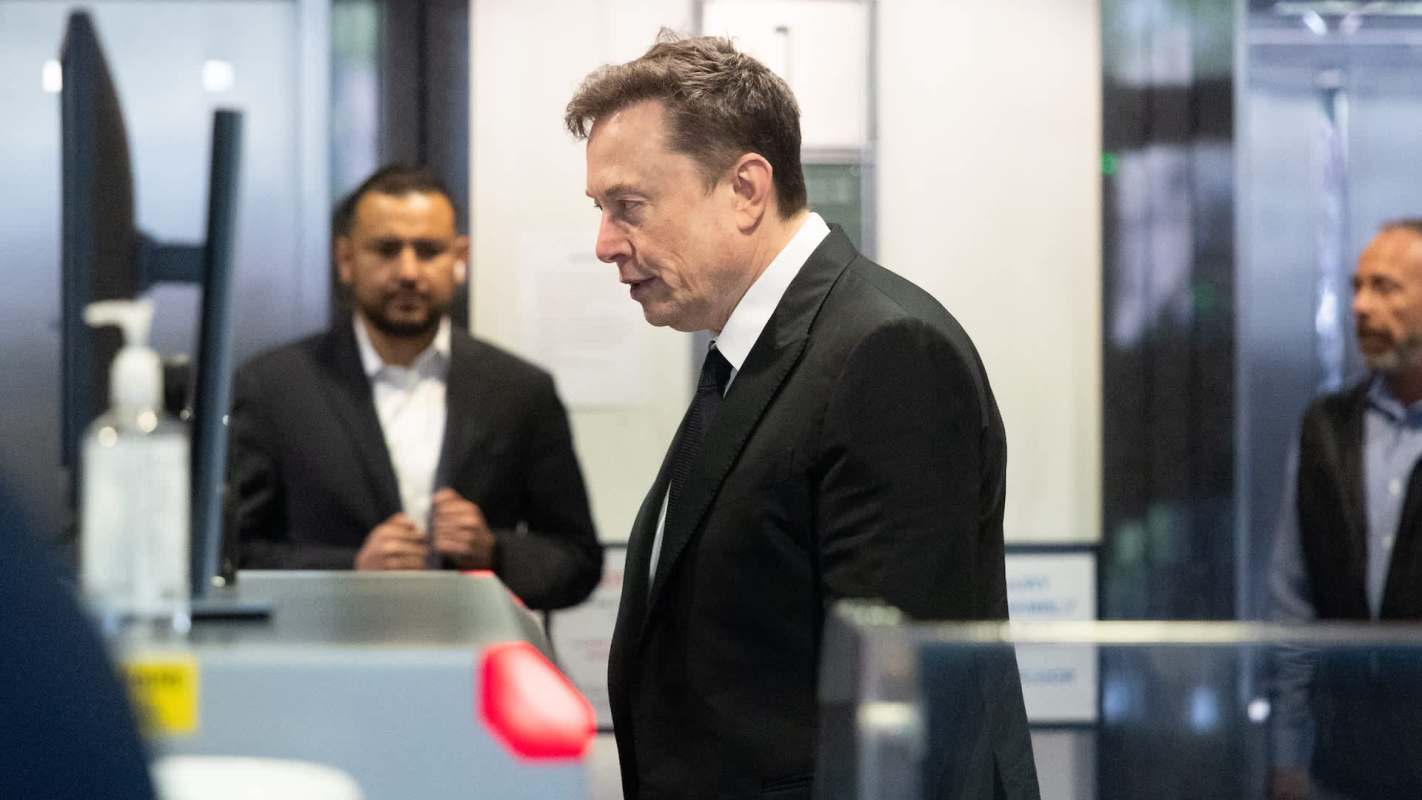
A federal jury has ruled against Elon Musk in his closely watched case over OpenAI, handing Sam Altman and the company a major win in one of Silicon Valley's messiest feuds.
The decision quickly spilled from the courtroom onto social media, where Musk said he plans to appeal.
According to the Guardian, a nine-person federal jury in Oakland, California, cleared Altman, OpenAI, its president Greg Brockman, and Microsoft of Musk's allegations over an alleged founding deal and claims of unjust enrichment after the company moved toward a for-profit structure.
The case centered on Musk's argument that OpenAI was created in 2015 as a nonprofit meant to benefit humanity, and that Altman later turned it into something else. But jurors found that Musk's 2024 lawsuit was filed too late under the statute of limitations. Judge Yvonne Gonzalez Rogers said she agreed with the jury and dismissed the case.
"Regarding the OpenAI case, the judge & jury never actually ruled on the merits of the case, just on a calendar technicality … I will be filing an appeal with the Ninth Circuit," Musk wrote on X.
The verdict gives OpenAI a clearer runway as it continues expanding its business and reportedly eyes a public offering at a massive valuation. It also closes, at least for now, a lawsuit that sought sweeping changes, including undoing OpenAI's restructuring and removing Altman and Brockman from leadership.
TCD Picks » Quince Spotlight
💡These best-sellers from Quince deliver affordable, sustainable luxury for all




The case highlights just how much influence a small group of tech leaders has over tools that are increasingly shaping work, education, media, and public life. Courtroom testimony from major executives, including Microsoft CEO Satya Nadella, also offered a rare look inside how one of the world's most powerful AI companies evolved.
There's also a bigger infrastructure angle here. AI is deeply tied to the energy grid because training and running advanced systems require huge amounts of electricity and, in some cases, water for cooling data centers. That demand can strain local utilities and potentially raise costs, even as AI can help improve grid reliability, forecast energy demand, and optimize clean energy systems such as wind and solar. The technology's promise is real, but so are concerns about resource use, security, misuse, and unintended social consequences.
OpenAI lead attorney William Savitt said the jury rejected what he called a "hypocritical attempt to sabotage a competitor," adding, "Mr. Musk can tell his stories. What the jury found today is just that: Stories, not facts."
Judge Gonzalez Rogers said there was "a substantial amount of evidence" supporting the jury's conclusion. Microsoft, which was also cleared, said, "The facts and the timeline in this case have long been clear."

Get TCD's free newsletters for easy tips, smart advice, and a chance to earn $5,000 toward home upgrades. To see more stories like this one, change your Google preferences here.






