


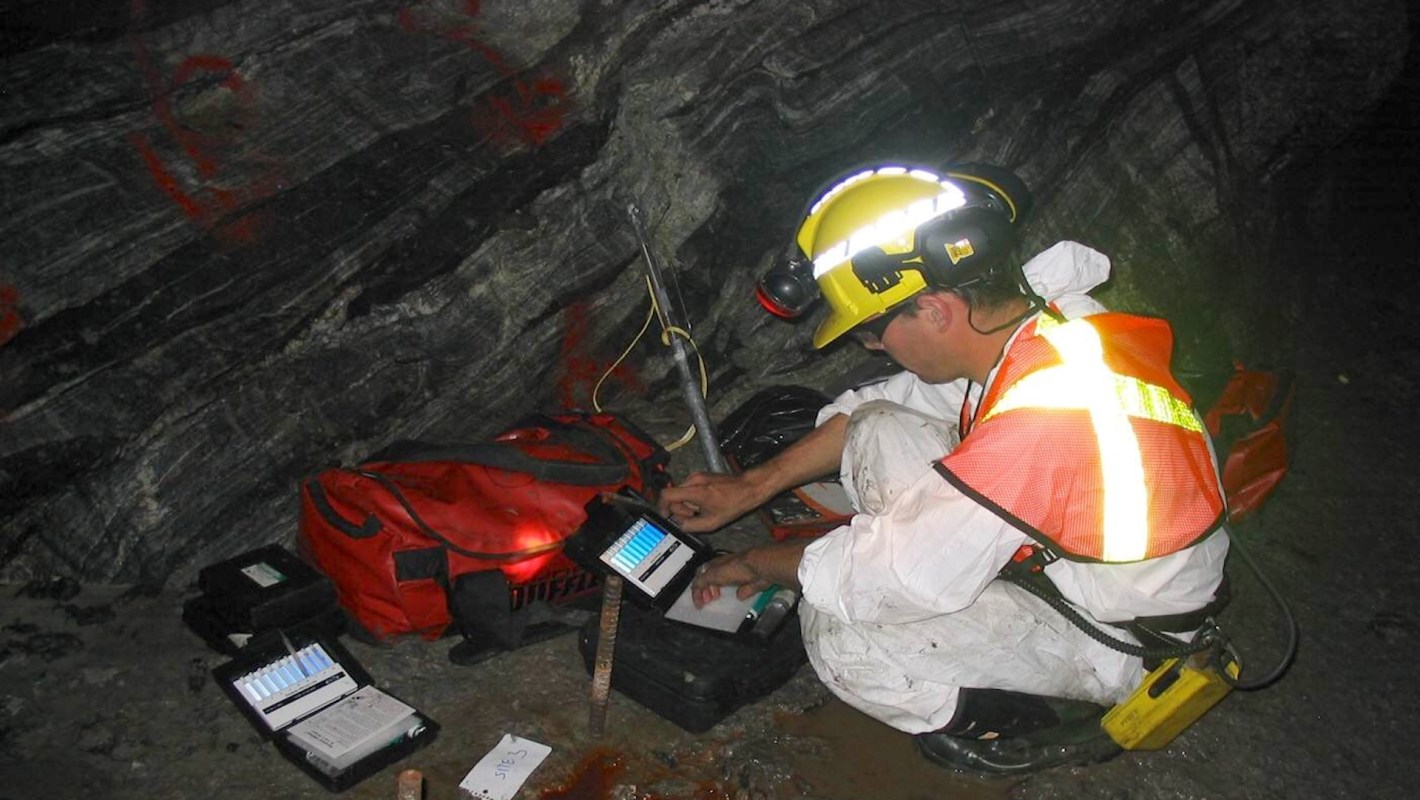
A newly measured source of naturally occurring "white hydrogen" in Canada could open the door to a cleaner, lower-cost energy supply hiding in some of the oldest rocks on Earth.
Researchers from the University of Toronto and the University of Ottawa reported that hydrogen gas is steadily building up and escaping from billion-year-old rocks in the Canadian Shield, a massive geologic region that stretches across much of the country.
In a study published in the Proceedings of the National Academy of Sciences, the team said this is the first direct measurement of the gas in this setting, along with mapping where it is concentrated and observing its buildup over time, according to a University of Toronto article in Phys.org.
Hydrogen is already a major part of the global economy, especially when it comes to fertilizer, steel, and methanol production. The problem is that most of the hydrogen used today is made through industrial processes tied to coal, gas, and oil, which can create significant air pollution. Even so-called green hydrogen can be expensive and energy-intensive to produce and transport.
This newly documented source could offer another option: hydrogen that forms underground as rock and groundwater react.
Drawing on data from an active mine near Timmins, Ontario, the researchers found that individual boreholes were giving off about 8 kilograms of hydrogen per year — roughly the weight of a car battery — and could continue for a decade or more, according to Phys.org.
TCD Picks » Quince Spotlight
💡These best-sellers from Quince deliver affordable, sustainable luxury for all




When the team scaled that estimate across nearly 15,000 boreholes at the site, the total came to more than 140 metric tons of hydrogen annually, enough energy to meet the yearly needs of more than 400 households.
That's especially exciting because the gas shows up in the same broad geologic settings that have long been central to Canada's mining industry. In other words, the places with nickel, copper, and diamond deposits, and those being explored for cobalt, lithium, helium, and chromium, may also be promising for natural hydrogen.
That could eventually mean cheaper local energy, less dependence on imported fuels, and more resilient regional energy systems. For remote and northern communities, where fuel transportation can be especially expensive, a nearby hydrogen source could help lower costs while cutting pollution. Mines could benefit too, by using local hydrogen to reduce both operating expenses and carbon footprints.
If industries can tap naturally occurring hydrogen, it would become much easier to clean up the sector. It could also lessen the need for long-distance transport, massive storage build-outs, and some of the extra energy required to produce hydrogen by conventional means.
According to Phys.org, lead author Barbara Sherwood Lollar said in the university release, "The data from this study suggests there are critical untapped opportunities to access a domestic source of cost-effective energy produced from the rocks beneath our feet."
She added that it could be a "'made in Canada' resource" that could support local and regional industry hubs while cutting reliance on imported hydrocarbon-based fuels.
Sherwood Lollar said the findings may help speed up the search for similar resources elsewhere: "We now have a better understanding of the economic viability of this resource that can be mapped to hydrogen deposits around the world that are both already known and yet to be discovered."

Get TCD's free newsletters for easy tips, smart advice, and a chance to earn $5,000 toward home upgrades. To see more stories like this one, change your Google preferences here.






