


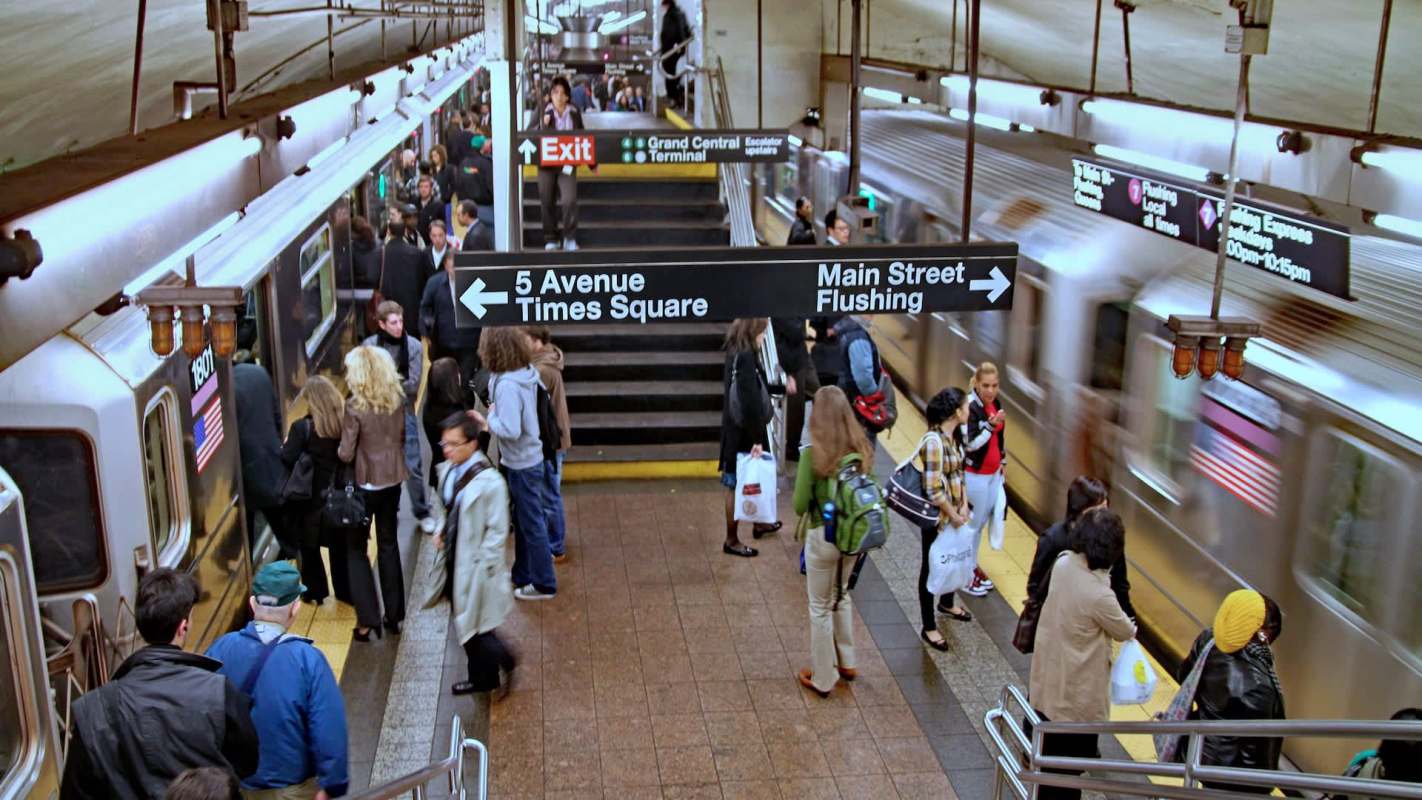
Americans appear to be riding buses and trains more often as gas prices climb above $4.50 per gallon nationwide, with some of the biggest shifts showing up in places where mass transit is already a realistic alternative to driving.
The increase follows disruptions to oil moving through the Strait of Hormuz during the war in Iran.
California has seen some of the sharpest increases, according to Grist. With average gas prices topping $6.15 per gallon, transit providers in San Diego, Los Angeles County, and the San Francisco Bay Area have all seen increases in ridership in recent weeks.
But the trend is not limited to the West Coast.
CBS News has reported that hubs such as Union Station in Washington, D.C., are also seeing more activity. The outlet said Amtrak has recorded a "5% increase in passengers in March compared to a year ago."
"It was a lot easier to take the train and save a few bucks," one rider told CBS.
TCD Picks » Quince Spotlight
💡These best-sellers from Quince deliver affordable, sustainable luxury for all




Meanwhile, research suggests these kinds of shifts are not unusual.
Hiroyuki Iseki, a professor at the University of Maryland, spoke with Grist about a study he co-authored. It showed that a 10% rise in gas prices over 13 months corresponded with a 1.2% increase in light rail ridership and a 0.8% rise in bus ridership.
For households already stretched by inflation, rising gas prices can be especially painful, particularly for lower-income commuters who spend a larger share of their budgets on transportation. In March, The 19th documented the impacts of rising fuel prices on single mothers juggling child care, food costs, and activity transportation for their families.
In places with reliable transit, switching even some trips from driving to bus or rail can offer meaningful savings. In San Diego, officials have launched a commute calculator to help residents compare the cost of driving with the price of taking transit, according to Grist.
Meanwhile, many Americans still lack practical alternatives to driving.
Decades of car-centered development and uneven transit funding mean that even when gas prices spike, most people cannot easily stop using their vehicles. As a result, many families are left to make trade-offs instead — cutting back on errands, limiting discretionary trips, or reducing spending elsewhere.
At the policy level, advocates said the larger solution is more consistent investment in public transportation.
Experts stress that personal choices can go only so far when transit service is limited or unreliable. Grist reported that public transit has received less than one-third of federal transportation funding since 1956.
"Time is money, and even though people can afford a $2 fare, they can't afford to be late for work or miss doctor's appointments," Elisa Ramirez of Transportation for America told the outlet. "For most Americans, driving is not optional, and that's my big thing. How much does gas impact people moving to transit? First we need to have reliable transit."

Get TCD's free newsletters for easy tips, smart advice, and a chance to earn $5,000 toward home upgrades. To see more stories like this one, change your Google preferences here.






