


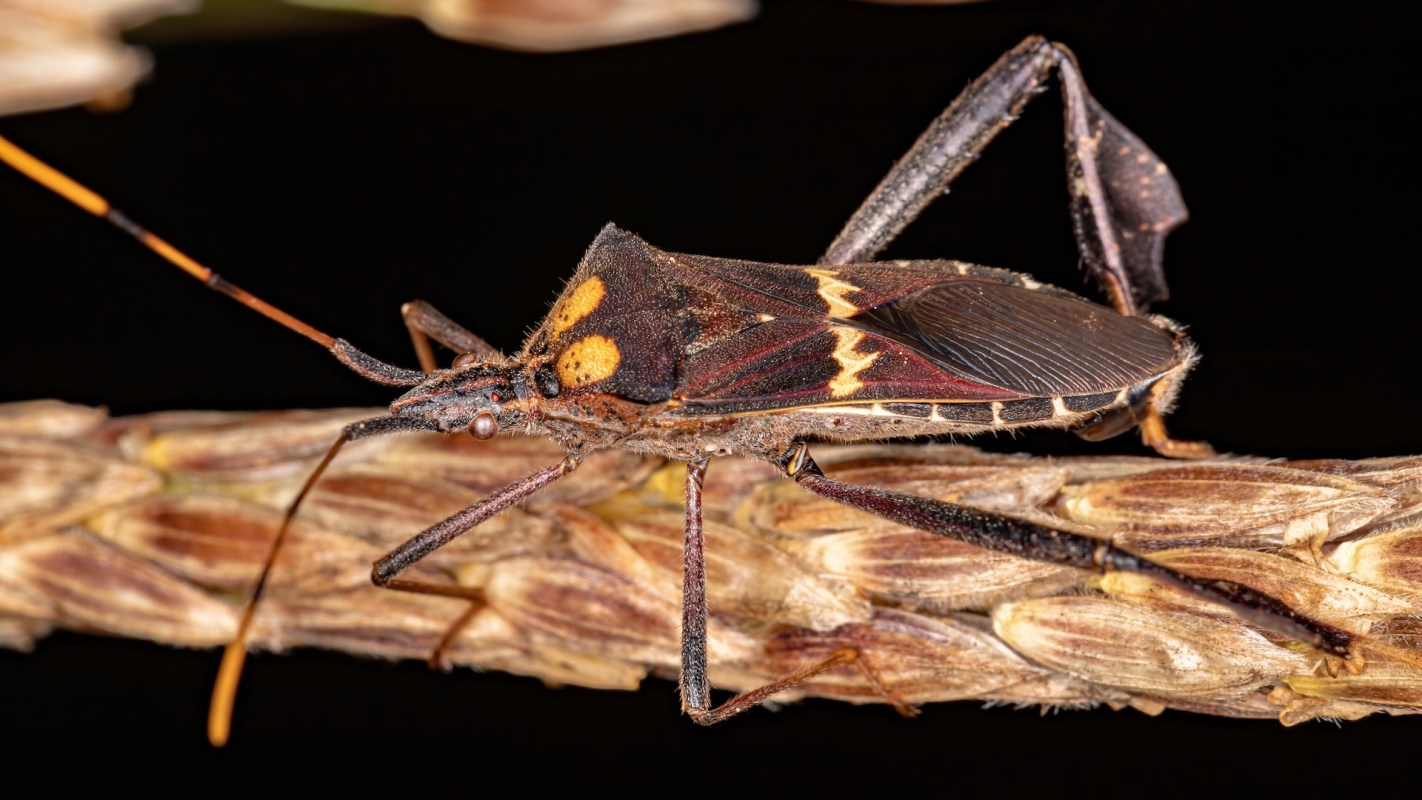
A new study is shedding light on one of nature's tiniest survival races. The findings could help researchers develop smarter ways to protect crops while better understanding the hidden partnerships that keep ecosystems running.
In research published in Frontiers in Microbiology, scientists at the University of Arizona found that baby leaf-footed bugs have only a limited window to pick up a crucial bacterium from their environment. If they miss that window, their odds of surviving and developing normally drop sharply.
That may sound like an obscure insect fact, but it offers an important clue for agriculture and environmental science.
Leaf-footed bugs are crop pests, so learning exactly how and when they depend on microbes could eventually help farmers manage them more precisely.
The bacterium at the center of the study, Caballeronia, lives in soil and acts as an essential symbiotic partner for the insects. Unlike many species that inherit beneficial microbes directly from their parents, leaf-footed bugs have to find this one on their own after hatching.
That is where the risk comes in.
TCD Picks » Quince Spotlight
💡These best-sellers from Quince deliver affordable, sustainable luxury for all




According to the study, young bugs emerge from tree canopies, where bacterial populations are limited or absent, so they must make a risky trip to the ground to find their microbial partner. As the researchers noted, conditions such as dryness, radiation, and soil pH can turn successful acquisition into a "game of roulette."
To test how much timing matters, the team raised leaf-footed bug nymphs in the lab and provided them with access to Caballeronia at different times after they molted into their second juvenile stage.
Bugs that received the bacteria immediately or four days later had similarly high survival rates, about 86% and 89%, respectively. But survival dropped to 63% when the bacteria were delayed by eight days, and it fell off dramatically after that.
In the control group that never received the symbiont, only 29% survived.
The delay also slowed development.
Bugs that acquired the symbiont right away reached adulthood in about 22 days, while those that received it later took longer. The few insects in the no-symbiont group took 57% longer to develop than the earliest group. Delayed access also limited the growth of the insects' specialized gut organ that houses the bacteria.
The findings provide researchers with a clearer picture of a vulnerable stage in the life cycle of a major agricultural pest. That kind of insight could help support better crop protection strategies in the future.
The study also highlights a broader truth about the natural world: Microbes play a massive role in the health and survival of animals, including species that affect human food supplies.
By understanding those relationships, researchers may be able to develop more sustainable ways to work with ecosystems rather than against them.

Get TCD's free newsletters for easy tips, smart advice, and a chance to earn $5,000 toward home upgrades. To see more stories like this one, change your Google preferences here.







