


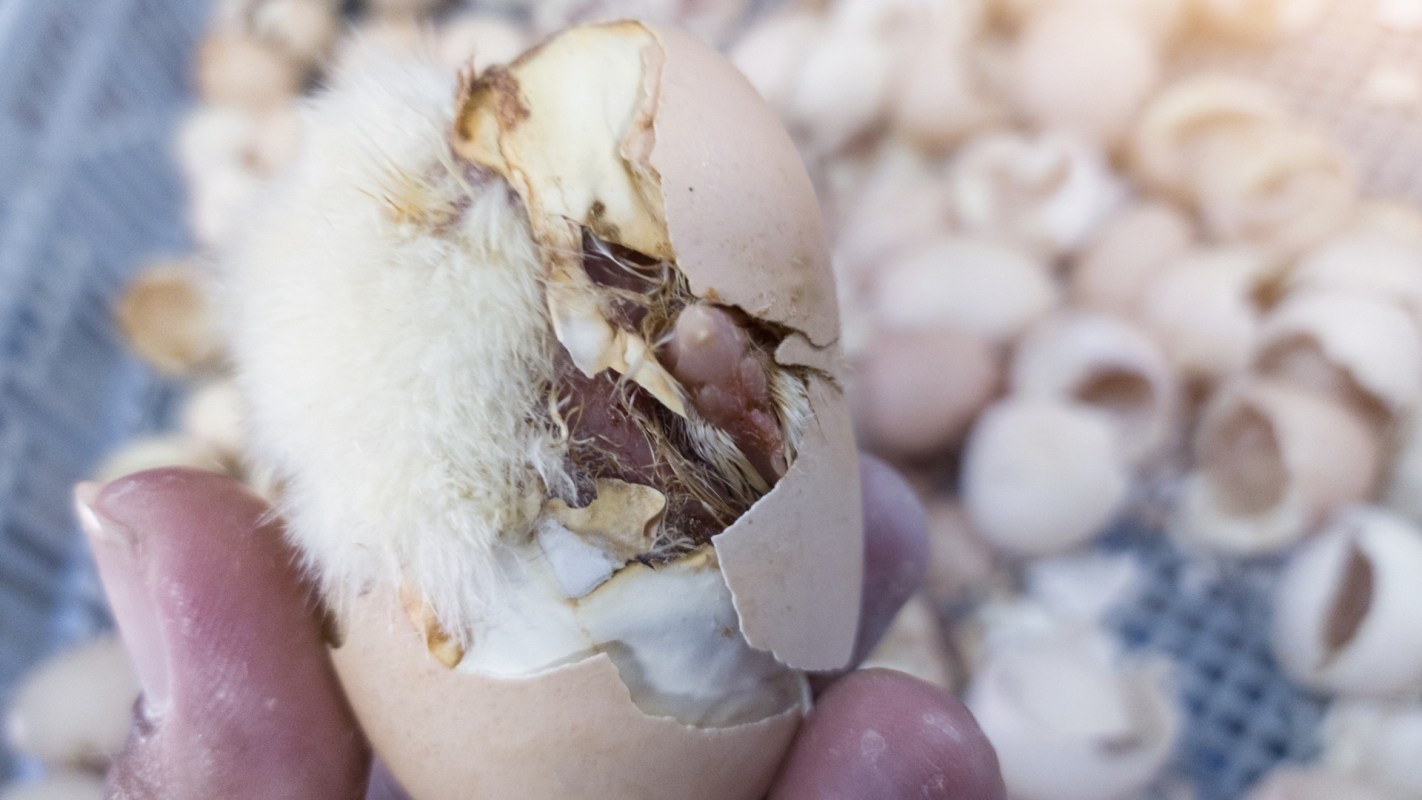
A biotech company known for its de-extinction ambitions is drawing fresh attention after announcing that it hatched 26 live chicks using a 3D-printed structure designed to mimic an eggshell.
The experiment is fueling both excitement and skepticism, particularly because the company says the technology could one day help recreate birds that resemble extinct species such as the giant moa.
According to the Associated Press, Colossal Biosciences said Tuesday that 26 chicks of varying ages — from hatchlings to birds several months old — were successfully incubated in what it describes as an artificial eggshell environment.
The setup uses a printed lattice structure, added calcium, and carefully controlled oxygen to support embryo development outside a natural shell.
The announcement is drawing attention in part because Colossal has already made headlines for genetically engineering animals with traits linked to extinct creatures, including woolly mammoth-like mice and dire wolf-like pups.
Now, the company says this eggshell system could help scale bird-based de-extinction work.
TCD Picks » Quince Spotlight
💡These best-sellers from Quince deliver affordable, sustainable luxury for all




Colossal CEO Ben Lamm framed the project as an effort to take something "nature has done a pretty good job of developing" and make it "better and scalable and even more efficient."
If the technology continues to improve, it could have implications beyond a single high-profile biotech announcement.
Artificial incubation systems may help researchers study how bird embryos develop in real time.
Still, scientists interviewed about the project said the hype should be tempered.
Some noted that the system is not a full artificial egg because researchers still had to add important biological components separately.
Others said that even if scientists create a bird that is genetically edited to resemble an extinct moa, that would not truly bring the original species back.
That distinction matters because de-extinction claims can shape how the public thinks about biodiversity loss.
A high-tech recreation may sound like a solution to extinction, but it does not restore lost ecosystems, habitats, or the complex relationships species once had with their environments.
For many readers, the larger question is whether resources should go toward reviving the past or protecting species that still exist today.
Reactions from experts were notably mixed.
Evolutionary biologist Vincent Lynch said the work may help create "a genetically modified bird," but added: "It's not a moa."
He also argued that the device is better described as an artificial eggshell, not a complete egg.
Bird reproduction researcher Nicola Hemmings said that using an artificial vessel to hatch chicks is "not necessarily new," though she noted that similar tools can still be useful for studying development.
Bioethicist Arthur Caplan raised a broader concern: Even if a moa-like bird is created, "What environment is this animal going to live in?"
Hemmings put the conservation trade-off even more bluntly, telling the AP that her interest lies more in protecting existing species than in reviving ones that are already gone.

Get TCD's free newsletters for easy tips, smart advice, and a chance to earn $5,000 toward home upgrades. To see more stories like this one, change your Google preferences here.






