


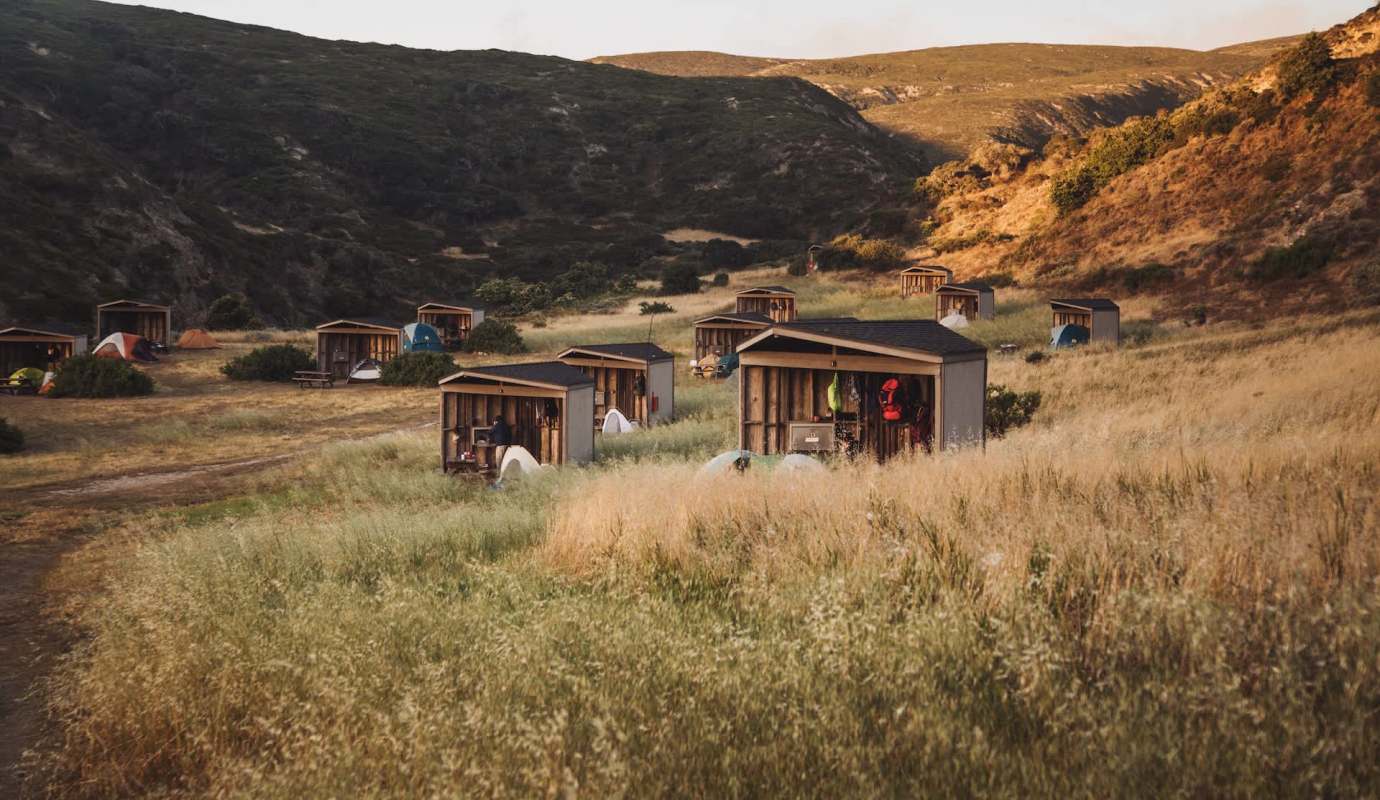
A fast-moving wildfire on Santa Rosa Island in California's Channel Islands National Park had spread past 10,000 acres by Sunday night, destroying two historic structures, prompting the rescue of park employees, and threatening plant species found nowhere else on Earth, SFGate reported.
What happened?
The Santa Rosa Island Fire was burning across the rugged southern and eastern portions of the island, which spans about 53,000 acres. Officials said the fire was 0% contained as of Sunday night.
The blaze was first reported on Friday afternoon.
By Saturday night, it had expanded beyond 5,000 acres, reaching east into San Augustine Canyon and pushing west toward the South Point Lighthouse.
By Sunday, it had doubled in size to more than 10,000 acres.
Santa Barbara County Fire Department officials said 11 National Park Service employees were evacuated from their housing on Sunday. No injuries were reported.
TCD Picks » Quince Spotlight
💡These best-sellers from Quince deliver affordable, sustainable luxury for all




Helicopter Rescue- Helicopter 964 successfully evacuated 11 National Park Service employees from Santa Rosa Island today amid the ongoing vegetation fire.
— Santa Barbara County Fire Department (@SBCFireInfo) May 18, 2026
The crew safely transported all personnel from employee housing—threatened with being cut off by the fire—to Oxnard Airport,… pic.twitter.com/FxQ0WSCdO1
The cause remains under investigation, though a National Park Service incident report described the fire as a "human-caused wildfire." Santa Rosa Island has been closed to both day and overnight visitors for at least the week.
Officials said two historic structures were destroyed: Johnson's Lee Equipment Shed on the island's western side and the Wreck Line Camp Cabin on the eastern edge.
As of Sunday night, the condition of the South Point Lighthouse was still unknown.
Dozens of firefighters were deployed on the island, where the Park Service said fire activity had slowed on the western side.
Even so, officials warned the fire was moving northwest and could continue shifting north as weather conditions changed.
Why is the Santa Rosa Island fire concerning?
The fire is especially alarming because Santa Rosa Island is home to six plant species not found anywhere else in the world. This includes a subspecies of Torrey pine, which is considered North America's rarest pine.
When wildfire moves through a place like this, the risk goes well beyond the loss of vegetation.
Scientists and conservationists can see decades of restoration work undone in just a few days. If rare plants are badly damaged, recovery can be slow and uncertain, especially in a remote island ecosystem with limited resources and fewer opportunities for natural recolonization.
The human toll also matters.
Park employees had to be evacuated from their homes, public access was shut down, and historic structures tied to the island's past have already been lost.
Wildfires have been less common on the Channel Islands than on the nearby mainland, thanks in part to a foggier climate and fewer fuel sources. That means the island's ecosystem may be less adapted to major fires than other parts of California. And as hotter, drier conditions become more common across the West, even landscapes that once faced relatively low fire risk can become more vulnerable.
What's being done about the Santa Rosa Island fire?
Firefighters and National Park Service crews were still working to contain the blaze Sunday night, and the island remains closed while officials assess the damage.
The safe rescue of all 11 park employees is one positive development in an otherwise serious situation.
Over the longer term, protecting places like Santa Rosa Island will likely require a combination of stronger wildfire prevention, habitat restoration, and continued conservation investment after the flames are out. That could include replanting native species, monitoring rare plant populations, and protecting cultural sites that survive the fire.

Get TCD's free newsletters for easy tips, smart advice, and a chance to earn $5,000 toward home upgrades. To see more stories like this one, change your Google preferences here.







