


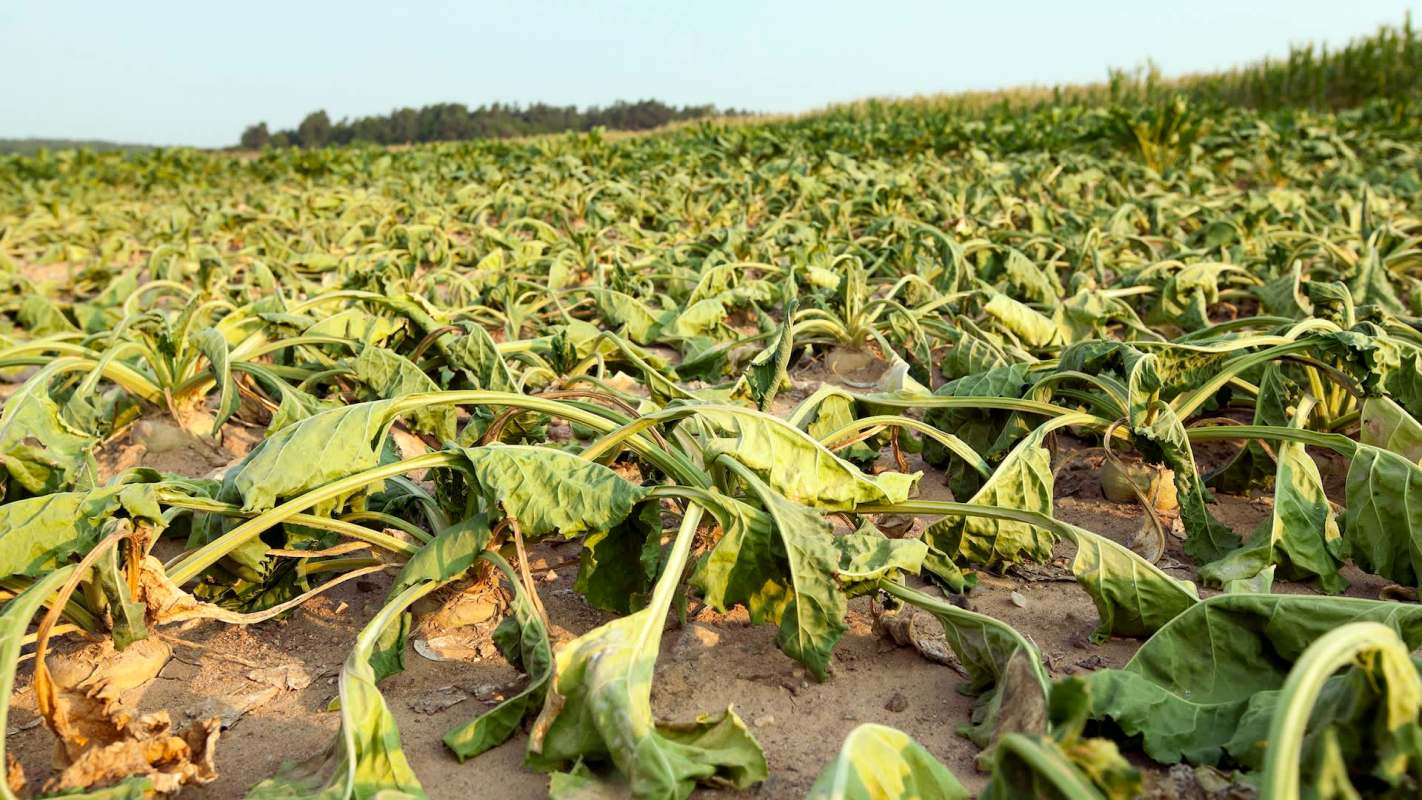
A developing El Niño is expected to influence weather around the world this year, and scientists warn it could intensify heatwaves, droughts, and floods.
But while El Niño is one of the most impactful natural climate patterns on Earth, experts have said it's not the largest driver behind today's more destructive extreme weather events.
What is El Niño?
El Niño is a naturally occurring climate pattern that develops when surface waters in the Pacific Ocean become warmer than normal. That ocean warming alters atmospheric conditions and shifts weather patterns across large parts of the globe.
Those shifts can change rainfall, temperatures, storm tracks, and drought risk from one region to another. In some places, El Niño increases the likelihood of intense heat and dry conditions. In others, it can bring heavier rain and a greater risk of flooding.
Why is El Niño important?
El Niño can intensify extreme weather that is already being intensified by warmer temperatures around the globe.
According to Inside Climate News, scientists said the developing El Niño could worsen heatwaves, droughts, and floods this year. At the same time, they stressed that El Niño is not the main reason climate disasters are becoming more severe. A moderate or strong El Niño now can do more damage than a similar event did decades ago because the planet has been heated by carbon pollution.
TCD Picks » Quince Spotlight
💡These best-sellers from Quince deliver affordable, sustainable luxury for all




Those impacts can ripple through food production, energy demand, public health, and disaster recovery. When El Niño adds to the background warming already caused by humans burning coal, gas, and oil, it becomes easier for weather conditions to reach record-breaking levels.
What are the experts saying about El Niño?
According to ICN, Fredi Otto, a professor in climate science at Imperial College London and a lead researcher with World Weather Attribution, warned of a "serious risk of unprecedented weather extremes" if an intense El Niño adds to the already warming climate.
Otto explained that El Niño only magnifies the larger problem, saying, "Human-induced climate change has a much greater influence on the likelihood and intensity of extreme weather events" than El Niño cycles.
Jemilah Mahmood, director of the Sunway Centre for Planetary Health at Sunway University in Indonesia, shared concerns about the dangers of heat waves. With an estimated 546,000 heat-related deaths worldwide, Mahmood highlighted why heat may not get as much coverage as hurricanes or other storms.
"It doesn't arrive with a named storm or a visible floodline. It kills quietly, in homes, in open fields, in the bodies of workers who have no choice but to be outside."
In areas already experiencing record drought and high temperatures, El Niño could worsen conditions.
However, not all is lost. Otto stressed that we can still do something about rising global temperatures. According to ICN, she said, "We do know what to do about it. We have the knowledge and the technology to go very, very far away from using fossil fuels."

Get TCD's free newsletters for easy tips, smart advice, and a chance to earn $5,000 toward home upgrades. To see more stories like this one, change your Google preferences here.







