


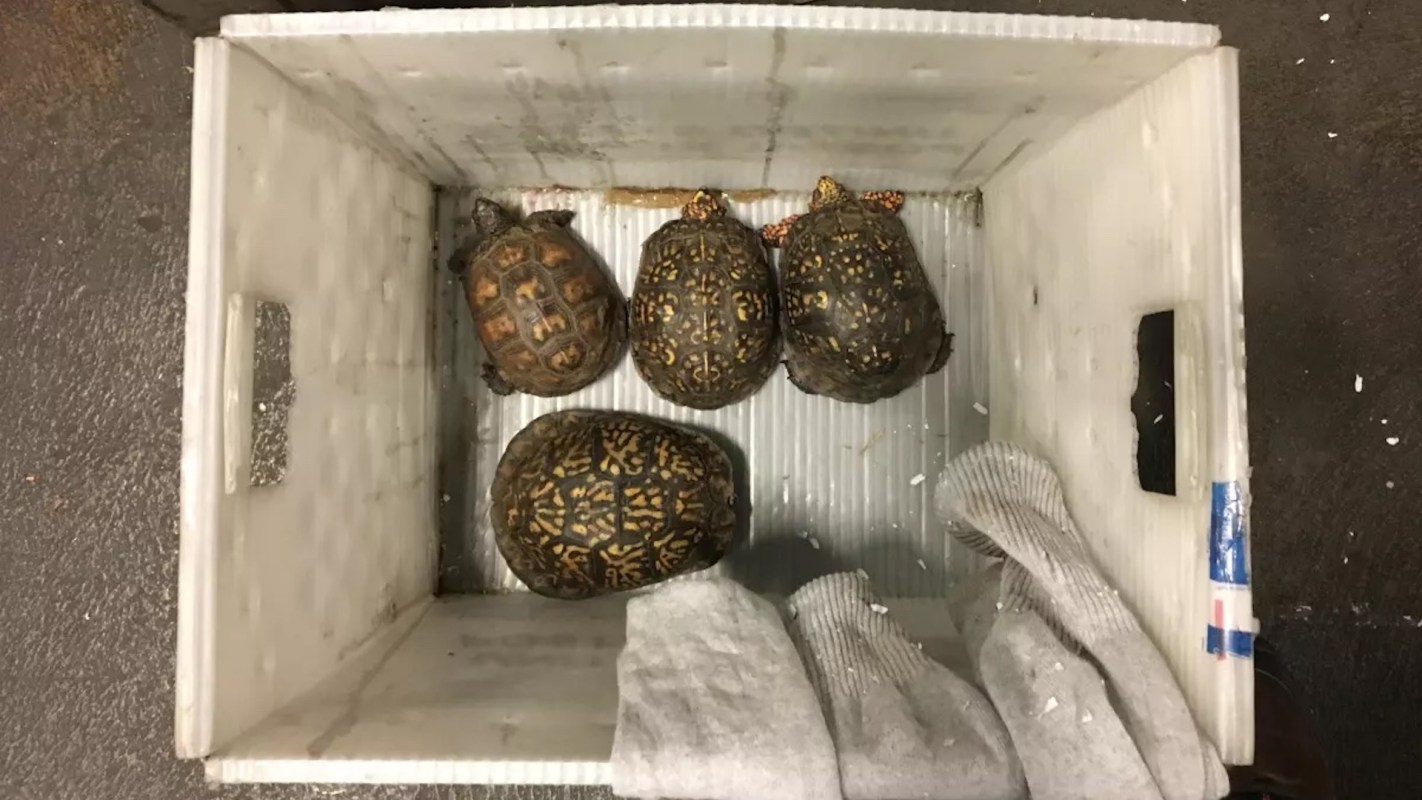
A federal investigation into turtle trafficking in Florida has uncovered the alleged illegal export of nearly 2,000 native turtles.
According to WOFL, the investigation, known as Operation Southern Hot Herps, took place from early 2022 through late 2023.
During that period, 1,700 loggerhead musk turtles, about 100 striped-neck musk turtles, and 15 striped mud turtles were removed from their habitats, transported to San Francisco, and then shipped to Taiwan.
The turtles are worth more than $550,000, according to the U.S. Department of Justice.
Those species are covered by the Convention on International Trade in Endangered Species of Wild Fauna and Flora, an international agreement designed to ensure that wildlife trade does not threaten species survival.
The individual connected to the case remains under investigation.
TCD Picks » Quince Spotlight
💡These best-sellers from Quince deliver affordable, sustainable luxury for all




Turtles play an important role in freshwater habitats, helping maintain balance in food webs by feeding on plants, insects, and decaying matter.
When large numbers are removed from the wild, those systems can be disrupted in ways that ripple through wetlands, rivers, and marshes, which also support fish, birds, and other wildlife.
These ecosystems also matter to people, since healthy waterways support water quality, flood resilience, recreation, and local biodiversity.
The case is especially concerning because turtles reproduce slowly.
Many species take years to reach maturity and produce relatively few offspring, meaning populations can take a long time to recover after large-scale removal.
The trade also points to a broader conservation challenge. When wild animals are treated as commodities, illegal markets can quickly undermine formal protections.
Even strong regulations can fail if traffickers use false paperwork or complex shipping routes to evade detection.
That can delay efforts to restore habitats and protect natural areas that communities rely on for environmental health and resilience.
In response, enforcement remains the most immediate response tool.
The U.S. Fish and Wildlife Service is continuing its investigation, while CITES provides an international framework for monitoring and restricting wildlife trade.
Over the longer term, experts point to the need for stronger oversight of wildlife shipments, tougher penalties for illegal trafficking, and improved coordination between local, federal, and international agencies.
Protecting turtle habitat is also critical, especially as many species face additional pressure from pollution, development, and climate-related changes.
For individuals, one of the most effective steps is avoiding wild-caught reptiles or exotic pets with unclear origins.
People can also report suspicious wildlife sales to authorities and support conservation groups working to preserve wetlands and native species.
While cases like this are troubling, enforcement actions can still make a difference. When trafficking networks are exposed, they create opportunities to strengthen protections and give vulnerable wildlife a better chance to recover.

Get TCD's free newsletters for easy tips, smart advice, and a chance to earn $5,000 toward home upgrades. To see more stories like this one, change your Google preferences here.







