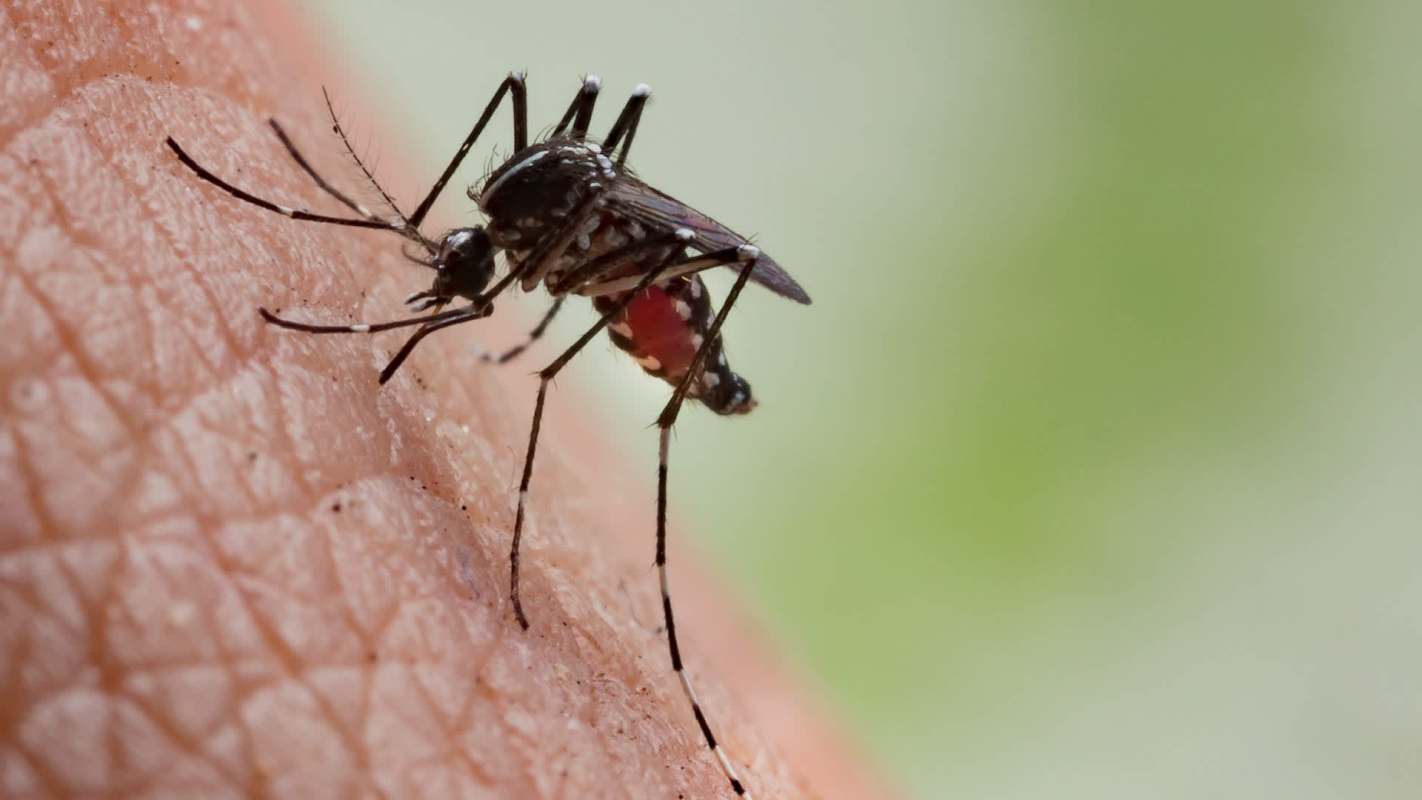
A new scientific review is offering fresh insight into a question that frustrates plenty of people every summer: Why do mosquitoes seem to target the same people again and again?
According to the review, the answer appears to have far less to do with blood type than popular myths suggest and much more to do with carbon dioxide, skin chemistry, and even the microbes living on the body.
What's happening?
According to Earth.com, researchers led by Professor Shengqun Deng at Anhui Medical University analyzed years of evidence on how female mosquitoes locate human hosts, and their conclusion is straightforward: Mosquitoes rely on a layered set of chemical and physical signals, not vague ideas about "sweet blood."
The review, published in the journal Decoding Infection and Transmission, says mosquitoes first detect carbon dioxide from human breath from dozens of feet away. That means people who exhale more carbon dioxide — including those with larger bodies, faster metabolisms, and heavier breathing, and people who are pregnant — may simply be easier for mosquitoes to find.
As mosquitoes move closer, body odor becomes more important. Human skin releases hundreds of airborne compounds, but the researchers found that only a small number appear to strongly influence mosquito preference. One major group is carboxylic acids, which a 2022 paper by Rockefeller researchers linked to much higher mosquito attraction. In that study, the most appealing people were about 100 times more attractive to mosquitoes than the least appealing.
Another recent lab study involving 42 women found that mosquitoes were especially drawn to people producing higher levels of 1-octen-3-ol, a compound also associated with the smell of mushrooms and damp forest floors. Even small differences in that chemical appeared to shift mosquito behavior.
TCD Picks » Quince Spotlight
💡These best-sellers from Quince deliver affordable, sustainable luxury for all




The review also highlights a more unsettling pattern: Some disease-causing organisms may make infected people more attractive to mosquitoes. Malaria parasites produce a molecule called HMBPP, which appears to trigger blood cells to release mosquito-attracting compounds. Dengue and Zika viruses may act differently, altering skin microbes so they generate other appealing chemicals.
As for blood type, the researchers say the evidence remains weak and inconsistent. Different studies have pointed to different blood types, but the sample sizes and results have not aligned well enough to support a firm conclusion.
This matters for more than simple curiosity. It helps explain why mosquito bites can seem predictable within the same household, and why some infections spread so efficiently.
Why is mosquito attraction important?
Mosquito bites are more than a seasonal nuisance. They can spread serious illnesses, including malaria, dengue, and Zika.
If scientists can better understand why mosquitoes choose certain people, health experts may be able to identify who is at greater risk and how outbreaks spread through communities. The review suggests that infected people can become especially attractive to mosquitoes, effectively turning them into stronger transmission hubs without realizing it.
That has major implications for public health systems, especially in places already dealing with mosquito-borne disease.
For everyday life, the findings also help explain why showering or changing clothes does not always stop mosquito bites. Many of the key scent signals are tied to skin oils and the bacteria that quickly return after washing. In other words, mosquito attraction may be more biologically persistent than many people assume.
The review also reinforces a few familiar observations that hold up better than blood-type theories. Dark clothing can attract more attention once mosquitoes get close enough to rely on vision, and alcohol may increase bite risk by raising body temperature and changing a person's breathing and skin chemistry.
What's being done about mosquito attraction?
The good news is that this research could help lead to more precise prevention tools.
Scientists are now identifying specific compounds — including carboxylic acids and 1-octen-3-ol — that may become targets for next-generation repellents or skin treatments. Researchers also see potential in microbiome-based approaches that could shift skin chemistry away from the compounds mosquitoes seem to prefer.
The review suggests there may even be a future for inexpensive field tests that, according to Earth.com, could identify people who unknowingly act as transmission hubs in malaria zones.
For now, though, you can stick to the most effective prevention methods, including using proven insect repellents, wearing long sleeves and lighter-colored clothing when possible, limiting exposure during peak mosquito hours, and removing standing water around homes where mosquitoes breed. Window screens and bed nets also remain essential in areas with higher disease risk.
The bigger takeaway is that the "mosquito magnet" effect is becoming less mysterious and more measurable. That could help doctors, researchers, and public health officials move away from guesswork and toward strategies grounded in real biology — and ultimately reduce both bites and the spread of dangerous disease.

Get TCD's free newsletters for easy tips, smart advice, and a chance to earn $5,000 toward home upgrades. To see more stories like this one, change your Google preferences here.