


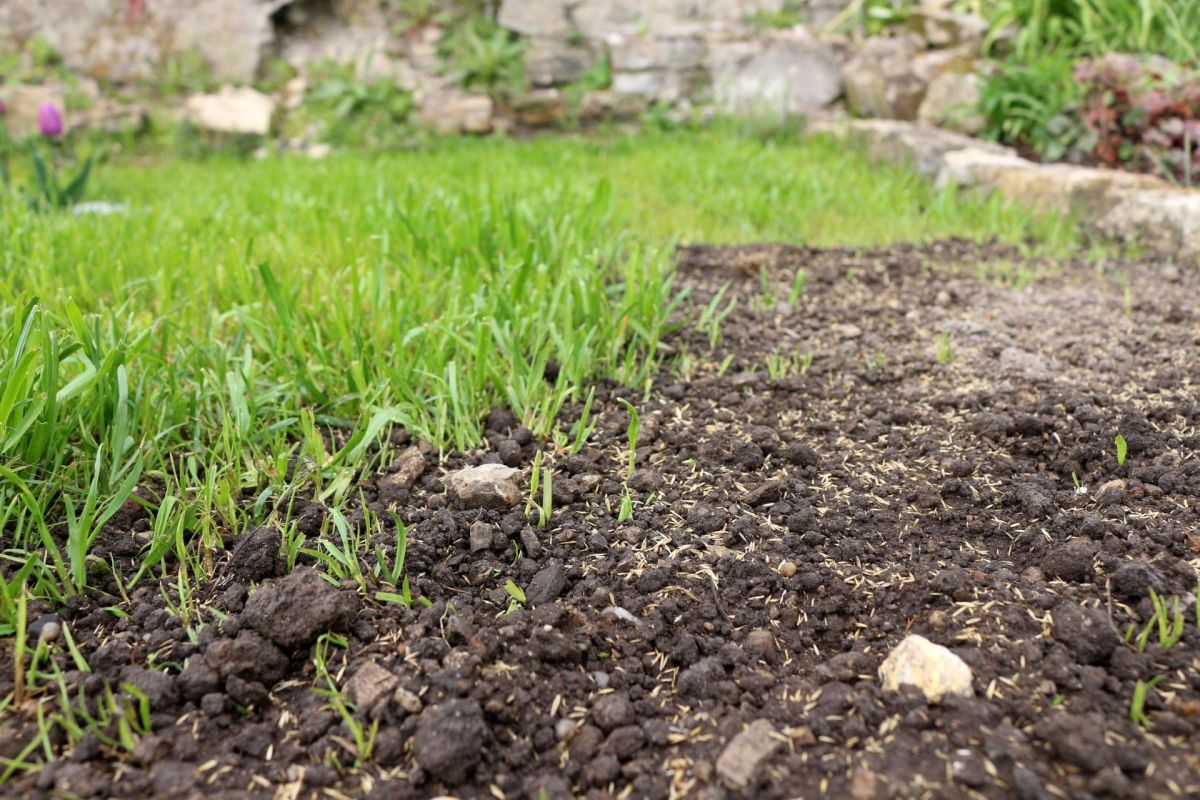
If your lawn turns into an expensive, water-hungry chore every summer, May can be an ideal time to rethink it.
According to Yahoo, the average U.S. household spends about $500 to $1,200 a year on lawn care, while the Environmental Protection Agency estimates that outdoor watering accounts for nearly 30% of household water use. Together, those numbers explain why more homeowners are exploring lower-maintenance alternatives to traditional turf.
The goal does not have to be giving up the look of a lawn altogether. Instead, many people are replacing or overseeding grass with low-water groundcover that stays green, reduces mowing, and cuts down on fertilizer use.
Options now include microclover, fine fescue, buffalo grass, and other ecolawn blends designed to handle everyday use with far less upkeep.
In some states, people may also find that homeowners association restrictions are less limiting than expected, thanks to newer protections for drought-friendly landscaping.
The basic strategy in late spring is to transition your lawn, either by overseeding existing grass or gradually replacing parts of it with lower-input plants suited to your climate, sunlight, and foot traffic.
TCD Picks » Quince Spotlight
💡These best-sellers from Quince deliver affordable, sustainable luxury for all




One of the simplest swaps is microclover. It blends into existing lawns, stays green with significantly less water, and naturally adds nitrogen to the soil, potentially reducing or eliminating the need for fertilizer. It is also relatively affordable. The main drawback is that broadleaf herbicides will kill it, limiting weed-control options.
For cooler climates, fine fescue is a popular choice. It grows slowly, requires less mowing than standard turfgrass, and uses less water and fertilizer than Kentucky bluegrass. It can thrive in sun or partial shade, though it may take time to fully establish.
In hotter, drier regions, buffalo grass is often recommended for its strong drought tolerance once established. It does require consistent watering during its first growing season, but it can lead to long-term reductions in water use.
Other alternatives work well in specific conditions. Creeping thyme can replace grass in sunny, low-traffic areas and adds fragrance. Pennsylvania sedge is better suited to shade, where traditional grass struggles. Bugleweed can also fill in under trees, though homeowners should confirm it is not invasive in their area. For those who still want the feel of a conventional lawn, ecolawn mixes combine low-input grasses and clover to create a softer transition away from traditional turf.
Before making changes, it is important to check local regulations and HOA rules. While some communities still enforce appearance or height standards, states such as Colorado and California have expanded protections for water-wise landscaping, giving homeowners more flexibility than they may realize.
The biggest benefit is financial. Once established, lawn alternatives can reduce outdoor water use by roughly 30% to 75%, depending on the plant and region. That can translate into lower summer utility bills and savings on fertilizer, herbicides, mower fuel, and professional lawn services. Some water districts also offer rebates for removing conventional turf.
Time savings are another major advantage. Traditional lawns often require weekly mowing, watering, edging, and fertilizing. Low-input landscapes can reduce that to occasional maintenance or seasonal touch-ups, freeing up time during the hottest months of the year.
Environmental benefits are also significant. Using less water helps conserve local supplies, especially in drought-prone areas. Reducing fertilizer and pesticide use can limit chemical runoff into waterways, while fewer mowing sessions mean less harmful carbon pollution and noise from gas-powered equipment.
Finally, reducing lawn space can open up more room for productive gardening. Even a small conversion into a vegetable or herb bed can lower grocery costs, improve food quality, and provide a simple, hands-on outdoor activity that supports both physical and mental well-being.

Get TCD's free newsletters for easy tips, smart advice, and a chance to earn $5,000 toward home upgrades. To see more stories like this one, change your Google preferences here.






