


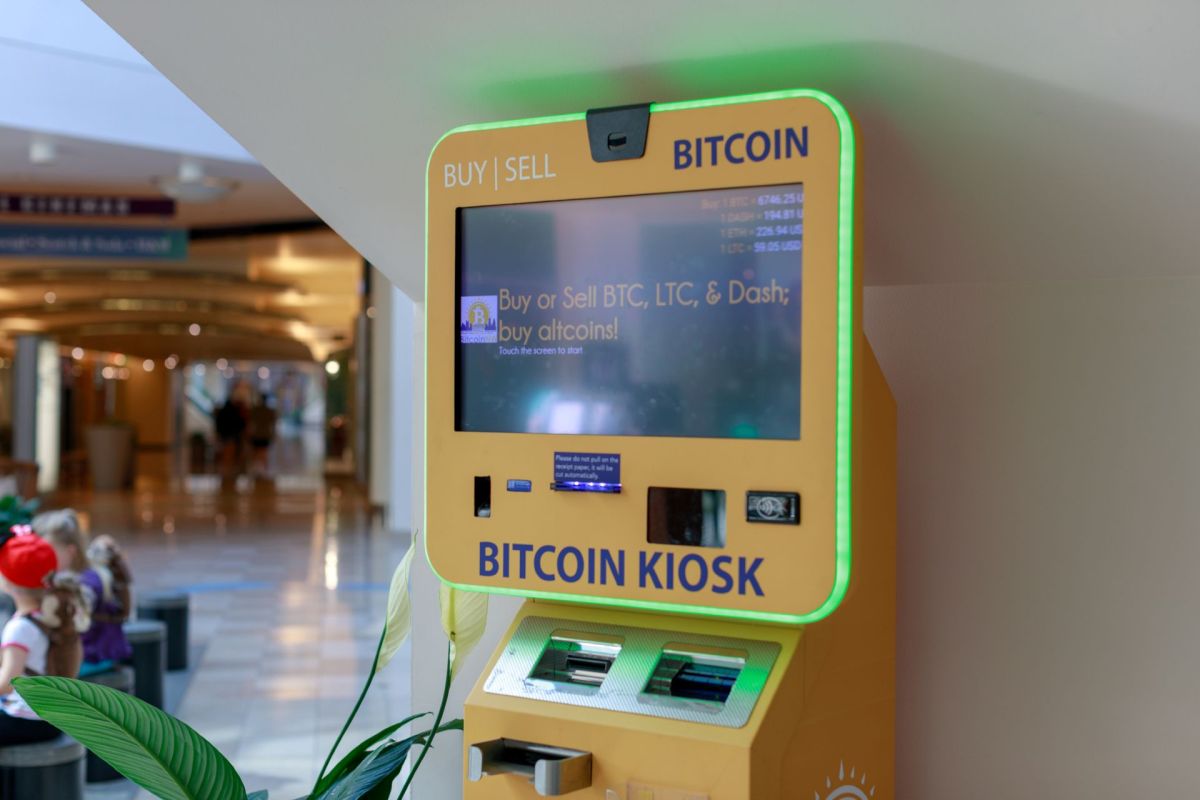
Minnesota is set to ban cryptocurrency kiosks — often called crypto ATMs — after scams tied to the machines reportedly cost residents nearly $1 million over the past few years.
According to local news provider KIMT News 3, state officials say the kiosks have become an increasingly common tool for fraud because they let people swap cash for digital currency very quickly, after which tracing or recovering the money becomes far more difficult.
What's happening?
Beginning Aug. 1, Minnesota will prohibit physical cryptocurrency kiosks, a move state officials said is meant to address a rapidly growing form of fraud.
Between 2023 and 2025, Minnesota logged 134 complaints involving crypto kiosk scams and close to $1 million in losses. There were 70 cases reported in 2025, and losses exceeded $540,000. Authorities added that the true scale may be larger, since many scams are never reported.
Officials say the scams often follow the same playbook: Victims are pushed into a state of fear or urgency and then told to deposit cash into a crypto kiosk before they have time to confirm whether the story is real. The schemes frequently involve fake emergencies with family members, romance scams, or people impersonating government officials.
"When people believe a loved one is in danger or they are facing a serious threat, they act quickly," Minnesota Department of Commerce Commissioner Grace Arnold told KIMT, warning that scammers take advantage of people in exactly those vulnerable moments.
TCD Picks » Quince Spotlight
💡These best-sellers from Quince deliver affordable, sustainable luxury for all




Minnesota had already adopted licensing requirements and consumer protections for crypto kiosks, but law enforcement says scammers adjusted by guiding victims through the transactions and arranging deposits in ways that got around safeguards.
Why is this important?
The ban underscores a broader issue at the intersection of digital finance and consumer protection.
Cryptocurrency itself is not inherently fraudulent, and many people use digital assets for legitimate purposes. Supporters of the technology say it can widen access to financial tools. At the same time, the sector has faced criticism for high electricity use and for opening new pathways for scams and financial harm.
Crypto kiosks have drawn particular concern because they combine cash payments, rapid transfers, and limited options for recovery once a transaction goes through. If someone is tricked into feeding cash into one of these machines and sending digital currency to a scammer, there is often no straightforward way to reverse it.
That means a brief moment of panic can lead to devastating financial consequences. As Minnesota Bureau of Criminal Apprehension Superintendent Drew Evans said, "Banning these kiosks removes a tool criminals have repeatedly used to exploit vulnerable people."
The issue also extends beyond Minnesota. Fraud schemes built on emotional manipulation — especially those targeting older adults or people under stress — can spread quickly when scammers find an effective payment method. Physical crypto kiosks have offered exactly that.
What's being done about cryptocurrency kiosks?
Under the new law, physical crypto kiosks will be removed from Minnesota, though residents will still be able to access digital currency through regulated online platforms. The Department of Commerce said it plans to coordinate with kiosk operators to get the machines out of service by Aug. 1.
The move suggests policymakers are trying to distinguish between access to digital assets and a payment channel they believe has become too easy for criminals to exploit.
For consumers, one of the most effective protections is simply slowing down. If someone demands payment in cryptocurrency — especially through a kiosk — and pressures you to act immediately, officials say that is a major warning sign. Experts generally recommend pausing, contacting the person or agency through a verified number, and checking with a trusted family member, bank, or law enforcement official before sending money.
People who believe they may have been targeted can also report the incident to state consumer protection officials or local authorities. Those reports can help investigators identify patterns, warn the public, and build cases against repeat offenders.

Get TCD's free newsletters for easy tips, smart advice, and a chance to earn $5,000 toward home upgrades. To see more stories like this one, change your Google preferences here.






