


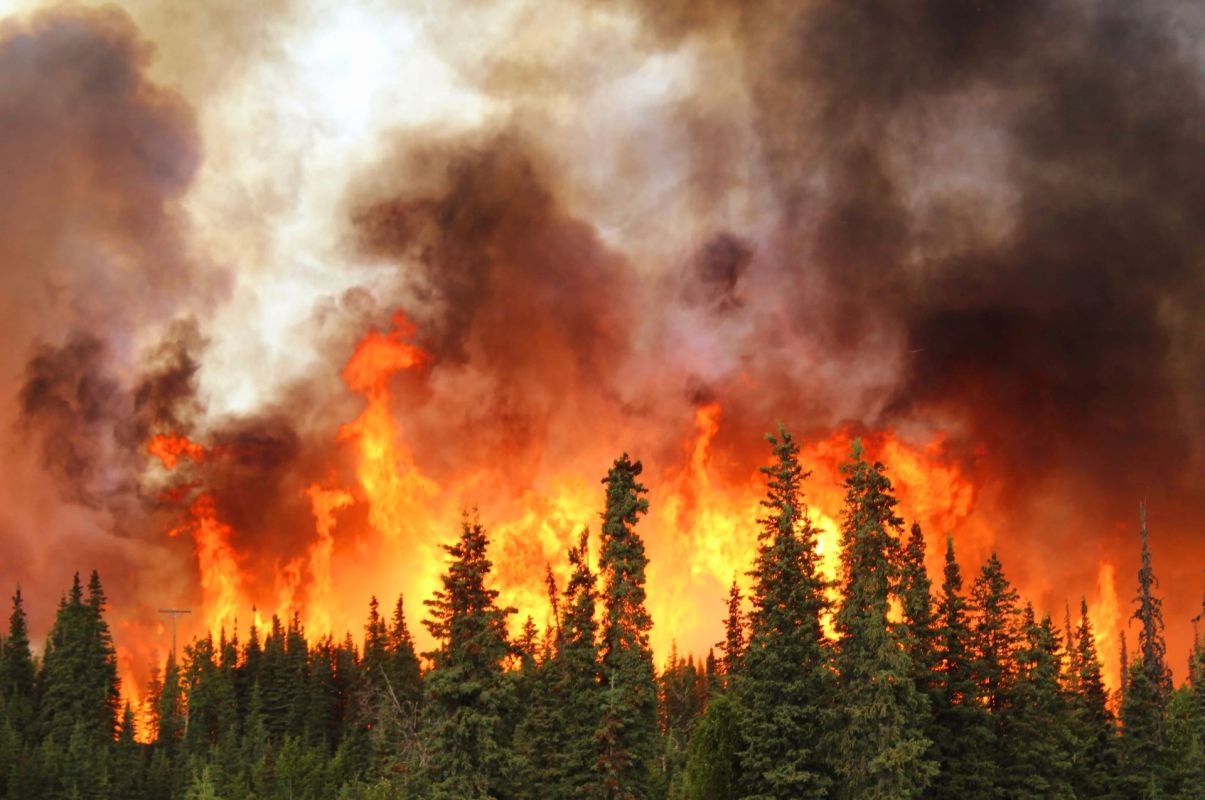
A fast-moving wildfire in southern Colorado prompted mandatory evacuations in Baca County.
Officials warned residents not to delay, highlighting how quickly wildfires can threaten homes, public safety, entire communities, and fragile habitats.
What's happening?
According to Fox Weather, authorities issued mandatory evacuations on Sunday for Campo and nearby areas, as the Sharpe Fire grew to more than 13,000 acres.
The fire appeared to start on Friday, May 15, in Cimarron County, Oklahoma, and later spread toward southern Colorado, according to Fox.
Oklahoma Gov. Kevin Stitt said the state had mobilized resources, and Oklahoma Forestry Services was providing aircraft support for responders on the ground.
In Colorado, Baca County Emergency Management warned residents of an "active threat to life and property" as the fire spread, urging residents not to delay evacuating the affected area.
TCD Picks » Quince Spotlight
💡These best-sellers from Quince deliver affordable, sustainable luxury for all




As of May 17, no injuries had been reported.
Why is this wildfire concerning?
Fast-moving wildfires are especially dangerous because conditions can shift in minutes, leaving little time to escape. Fires like this can destroy homes and businesses, damage roads and power infrastructure, kill livestock and wildlife, and send smoke into the air that worsens asthma, heart conditions, and other illnesses.
As climate shifts exacerbate these extreme weather disasters, lives and livelihoods are put at escalating risk. And even when no lives are lost, recovery can take months or years, placing additional strains on household finances, insurers, and emergency response systems.
Meanwhile, scientists have warned that rising global temperatures can dry out vegetation and leave fire-prone landscapes more vulnerable, especially when paired with strong winds and low humidity.
What's being done about it?
Emergency officials took the most immediate step by ordering evacuations in threatened areas to protect residents from rapidly changing fire conditions. Fire crews have also worked to slow and contain the fire.
For people in affected areas, the most important step is to follow evacuation orders and official local updates. Residents in fire-prone regions can also prepare in advance by making evacuation plans, signing up for emergency alerts, and creating defensible space around their homes by clearing dry brush and other flammable materials when possible.
Over the longer term, communities can reduce wildfire risk through forest and grassland management, strong emergency planning, resilient building standards, and investments that help firefighters respond more quickly.
Cutting the pollution that is heating the planet is also a key long-term step in reducing the conditions that can make major fires more intense.

Get TCD's free newsletters for easy tips, smart advice, and a chance to earn $5,000 toward home upgrades. To see more stories like this one, change your Google preferences here.







