


A Michigan researcher is working to turn one of the nation's most persistent waste problems into a solution that could help streets last longer and crack less often.
Zhanping You, a transportation engineering professor at Michigan Technological University, has spent years developing ways to use scrap tires in road construction, according to a university blog. Now, that research is moving into real-world applications, including roughly 30 projects statewide.
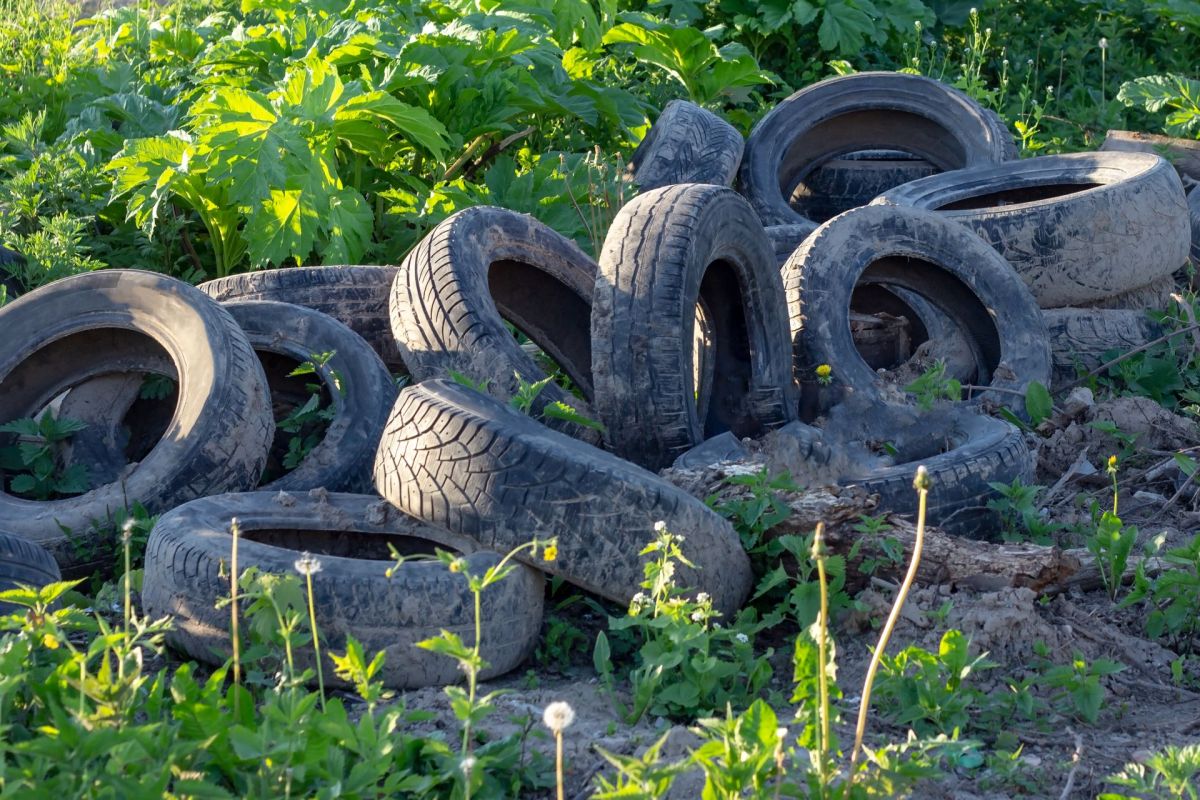
The United States generates more than 300 million scrap tires every year, the university reported. Kirsten Clemens — who works with Michigan's Department of Environment, Great Lakes, and Energy — recently told the Detroit Free Press that the state produces nearly 10 million scrap tires each year.
Meanwhile, road deterioration remains a constant problem, especially in cold-weather states like Michigan, where intense freeze-thaw cycles frequently cause cracks and potholes.
You's efforts aim to tackle both problems at once. His team has developed three methods for incorporating recycled tire material into road repair and construction.
Larger tire pieces can be used beneath new pavement to create a drier and more stable road base. Finer rubber powder can also be added to so-called "chip seal" treatments used to preserve aging roads. That same rubber material can additionally be mixed directly into asphalt for entirely new pavement projects.
TCD Picks » Quince Spotlight
💡These best-sellers from Quince deliver affordable, sustainable luxury for all




All of the methods can recycle huge numbers of used tires that might otherwise end up in landfills, where they can be difficult to manage. Piles of tires can also be dangerously flammable.
"If we keep going, we could use up all the tires in the country!" You said. "Or at least in Michigan."
Michigan engineer James Lillo told the Detroit Free Press he was "very impressed" with You's recycling methods.
Drivers could benefit as well. Rubber is more elastic than traditional paving materials, and rubberized pavement may better withstand heavy traffic, high-stress areas, and harsh weather conditions.
"Anyone driving in Michigan knows potholes are unpleasant," You said in the blog. "With this work, we see more resistance to cracks and potholes."
The combination of durability and recycling could benefit taxpayers and local governments. Roads that last longer may help stretch maintenance budgets, while repurposing used tires into infrastructure offers a practical example of a circular economy solution.
"In our country, only about 5% of scrap tires are recycled into asphalt, so there's huge potential," You said.
The professor and his team are reportedly working with state and federal partners to develop guidance to improve the adoption of rubberized pavement.
Researchers are also studying whether rubberized roads can reduce traffic noise and improve stormwater runoff performance, potentially offering additional benefits for residents and the environment.

Get TCD's free newsletters for easy tips, smart advice, and a chance to earn $5,000 toward home upgrades. To see more stories like this one, change your Google preferences here.






