


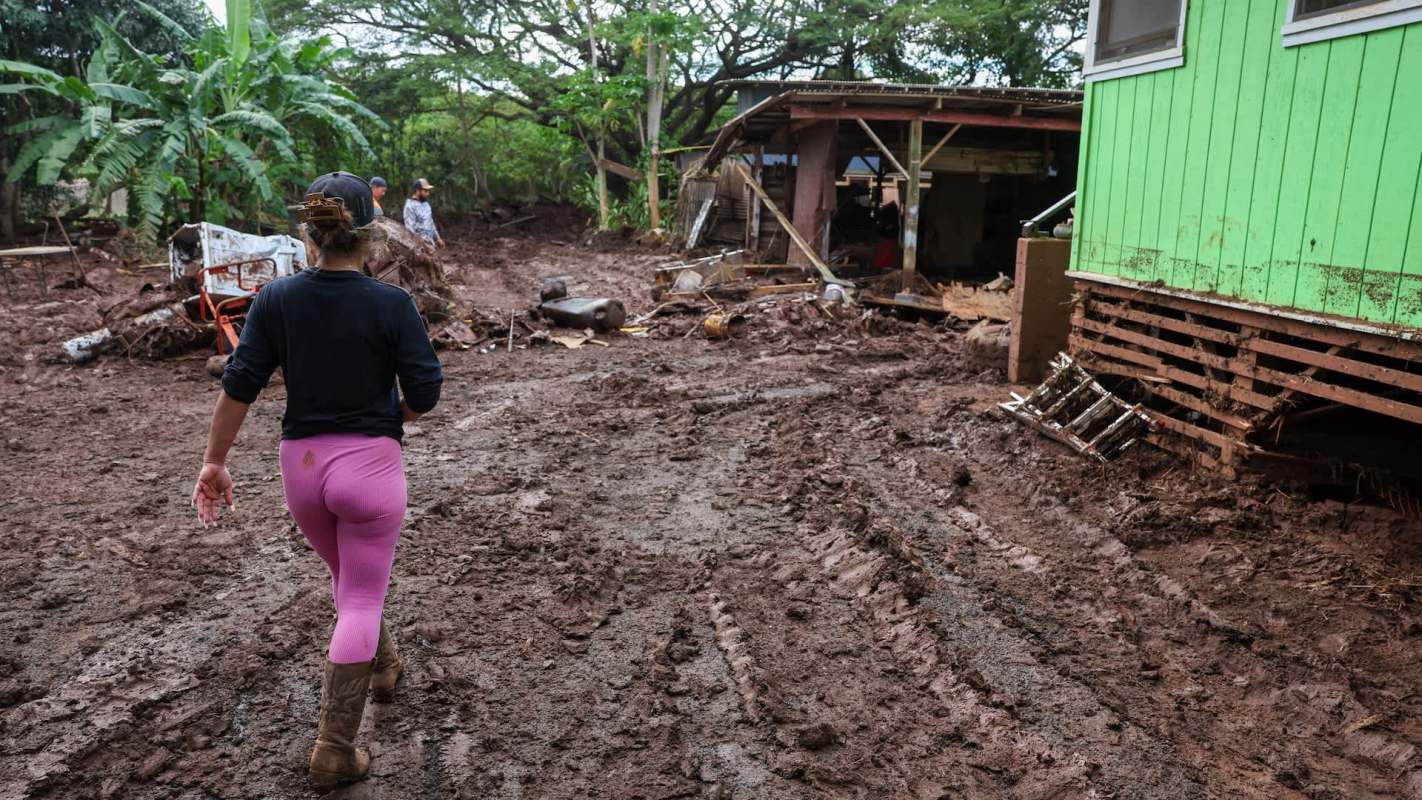
Hawaiʻi's worst flooding in two decades has left many small farmers on Oʻahu's North Shore facing fields caked in hardened mud, dead crops, and wrecked equipment.
Some farmers say the damage is so severe that they want to give up, AP News reported.
What happened?
Back-to-back storms in March brought the worst flooding Hawaiʻi has seen in 20 years, devastating farms that help feed the islands.
Some North Shore growers lost crops, such as lemongrass, cucumber, okra, choy sum, bitter melon, and tomatoes, just before harvest. Recently planted banana, coconut, and mango trees have yellowed and may not survive.
The damage is extensive.
Farming advocates said over 600 of the state's roughly 6,500 farms reported almost $40 million in damage, and the Hawaii Farm Bureau estimated the broader toll at about $50 million, affecting around 2,000 farms.
TCD Picks » Quince Spotlight
💡These best-sellers from Quince deliver affordable, sustainable luxury for all




"In some cases, entire farms have been wiped out," said Brian Miyamoto, executive director of the Hawaii Farm Bureau.
"These are farmers who were just days or weeks away from harvesting, and now they have to start over."
For many growers, the losses extend far beyond crops. The flooding also wiped out irrigation lines, vehicles, equipment, and other infrastructure.
"Will it happen again?" farmer Jeni Balanay asked. "When you look at the land and it's all destroyed, you want to give up."
Why is this concerning?
The disaster is especially alarming because Hawaiʻi depends heavily on small local farms to support its food supply. After plantation agriculture declined, the state increasingly came to rely on smaller, more diverse farms that sell produce to grocery stores and farmers' markets.
That local network is especially important on islands that are geographically isolated and vulnerable to shipping disruptions. When floods knock farms offline, families can lose access to fresh food, farmers' markets can thin out, and local businesses can struggle to keep shelves stocked.
Extreme weather disasters like this threaten both lives and livelihoods.
Fast-rising floodwaters can trap residents, contaminate land, damage homes, and create dangerous conditions for workers. They can also erase a season's income overnight, push already cash-strapped farmers deeper into debt, and destabilize local food systems that communities rely on every day.
Many of Hawaiʻi's farmers were already operating on razor-thin margins. According to the U.S. Department of Agriculture, most farms in the state report under $10,000 in yearly sales.
AP News also reported that many Hawaiʻi farms are too small and diversified to afford or qualify for crop insurance, leaving them especially vulnerable when disaster strikes.
The flooding also fits into a broader pattern of worsening weather extremes.
A warmer atmosphere can hold more moisture, raising the risk of heavier downpours in some places. That means communities may face more destructive flooding, even in areas already under pressure from wildfires, pests, and other environmental shocks.
What's being done about Hawaiʻi's farms?
State and federal officials, farm groups, and charities are working to help farmers recover before more of them leave the industry.
According to AP News, help available to farmers includes federal disaster assistance, $1,500 emergency grants, longer-term state loans, and charitable aid, with one relief fund bringing in about $850,000 in the weeks after the flooding.
AP News also reported that officials are testing soil, handing out seeds and plant starts, and encouraging farmers to stay in the business.
"These are the farms that we really need to get started again," Hawaiʻi's top agriculture official Sharon Hurd said. "We cannot have them give up."
Still, recovery could take months. Some farmers are bringing just a fraction of their usual produce to market, while others do not know whether they can keep grocery-store contracts.

Get TCD's free newsletters for easy tips, smart advice, and a chance to earn $5,000 toward home upgrades. To see more stories like this one, change your Google preferences here.







