


People in western Pennsylvania are embracing off-grid living by swapping some of their biggest monthly bills for rainwater tanks, livestock, and even van life.
The Pittsburgh Tribune Review interviewed these western Pennsylvanians who are stepping back from conventional systems and trying to replace recurring expenses with financially and environmentally sustainable solutions.
Due to the area's rural nature, many municipalities have lenient policies for going off-grid and relatively flexible building codes. These policies can make something like switching to solar a lot easier.
Homeowners looking to cut costs by producing more of their own food, and depending less on traditional water and energy systems, are saving serious cash by changing their methods.
One interviewee from Kittanning installed 27 panels to slash his energy bills and go off-grid. Since then, he hasn't had a single electric bill. Although he is paying off the solar panels for about $150 a month, he was originally paying $200 a month on average for electricity.
The Kittanning man told the Tribune Review, "I love sunny days. I'm a dollar person and it made financial sense. I don't know of anyone else in Kittanning with this. It was $31,000 but I got a $9,000 tax credit."
TCD Picks » Quince Spotlight
💡These best-sellers from Quince deliver affordable, sustainable luxury for all




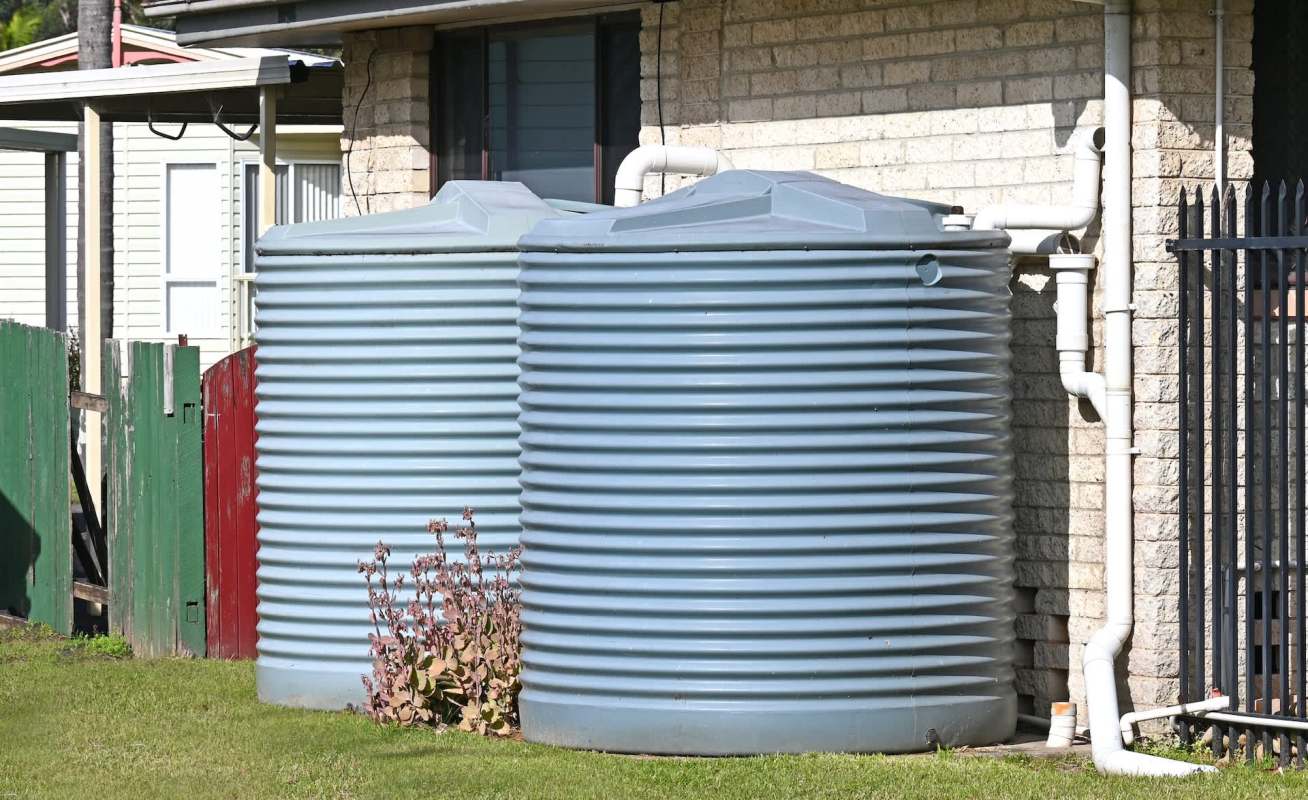
Residents who mentioned rainwater collection also noticed significant savings. One Stahlstown woman said that her rainwater collection system gathers enough to water her entire 70-acre farm.
What almost all of the residents noted beyond enjoying their alternative lifestyles was the savings. Ditching the system was lucrative, especially in this era of extremely high energy and grocery inflation.
As the owners of Anarchy Acres Farmstead in Armstrong County explained to the Tribune Review, "The off-grid lifestyle looked like a great way to save money and be less dependent on the system."
When conventional living becomes expensive enough, unconventional options can start to look far more reasonable.

Get TCD's free newsletters for easy tips, smart advice, and a chance to earn $5,000 toward home upgrades. To see more stories like this one, change your Google preferences here.






