


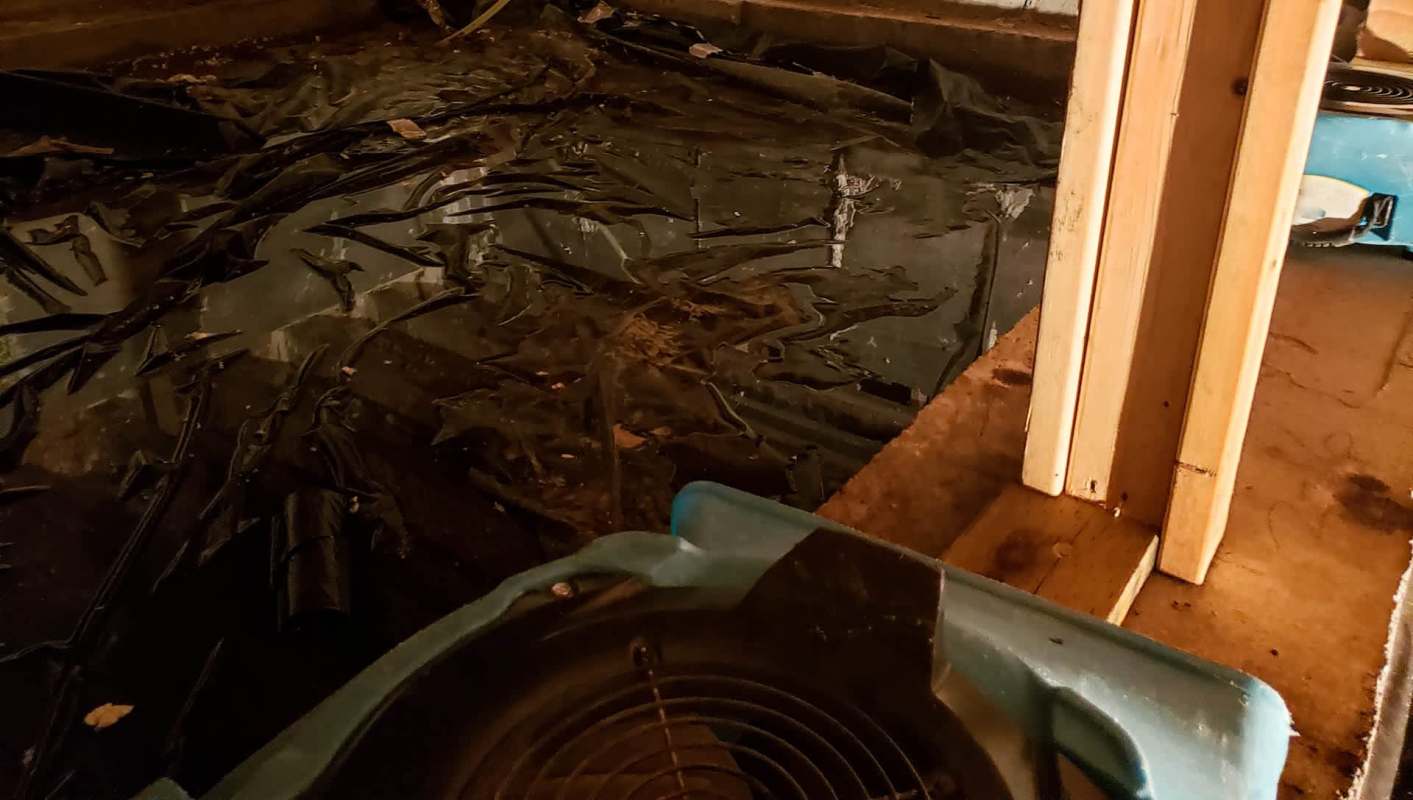
An Oklahoma family said an abandoned oil well may have turned their dream home into a toxic hazard after black, oily liquid began bubbling up through the floor.
What happened?
Mitch and Kara Meredith spent more than a decade saving for their newly built farmhouse in Fort Gibson, Oklahoma. But last summer, only weeks after welcoming their third child, the home suddenly became unlivable.
According to ProPublica, the couple initially thought they were dealing with a plumbing issue after water appeared on the garage floor. Instead, they discovered a thick, dark substance with an oily sheen rising through the bathroom floor and near their bedroom.
The family spent the night vacuuming and scooping sludge out of the house before realizing it was likely not coming from a broken pipe.
By early morning, they feared it could be oil. Kara gathered the children, including their newborn, and left the home.
"And that's the last time we got to be in our home," Mitch said, per ProPublica.
TCD Picks » Quince Spotlight
💡These best-sellers from Quince deliver affordable, sustainable luxury for all




State records later suggested the property may sit on or near a 1940s oil well that was never properly plugged. Subsequent testing found dangerously high gas readings, along with signs of oil and gas wastewater, including elevated salt levels and heavy metals, such as barium and bromide.
The Oklahoma Corporation Commission investigated the site but has not publicly concluded that oil and gas pollution directly caused the damage.
In public statements, the agency referred to the material as "water," even as contamination continued seeping from the house and later spread into a neighbor's yard.
"They wanted to act like it would go away," Mitch said.
The contamination upended the family's life. Many of their belongings were ruined, their insurance claim was denied, and they moved four times in four months while still continuing to pay their mortgage.
At one point, a state official told them the house might need to be demolished to access and plug the suspected well beneath the property.
The case has also highlighted the wider problem of abandoned wells across Oklahoma. The state lists around 19,000 orphan wells requiring cleanup, though federal researchers have estimated the true number could exceed 300,000, per ProPublica.
Why is this event concerning?
Abandoned and improperly sealed wells can leak toxic fluids and gases into homes, soil, and groundwater, creating serious safety and health concerns for nearby residents.
In the Merediths' case, testing reportedly found gas concentrations high enough to pose a major danger.
When contamination enters a home, families can be displaced for months or years while facing financial strain, health worries, and uncertainty over who is responsible for cleanup costs.
The issue affects many communities across the state. Roughly half of Oklahoma residents live within a mile of oil and gas wells, meaning aging or undocumented infrastructure may be closer to homes than many people realize.
What's being done about abandoned oil wells?
Oklahoma lawmakers have passed legislation introduced by state Senator Avery Frix that would create a fund to help compensate homeowners whose properties are damaged by oil and gas pollution.
For now, however, the Meredith family remains unable to return home while regulators continue investigating the source of the contamination.

Get TCD's free newsletters for easy tips, smart advice, and a chance to earn $5,000 toward home upgrades. To see more stories like this one, change your Google preferences here.






