


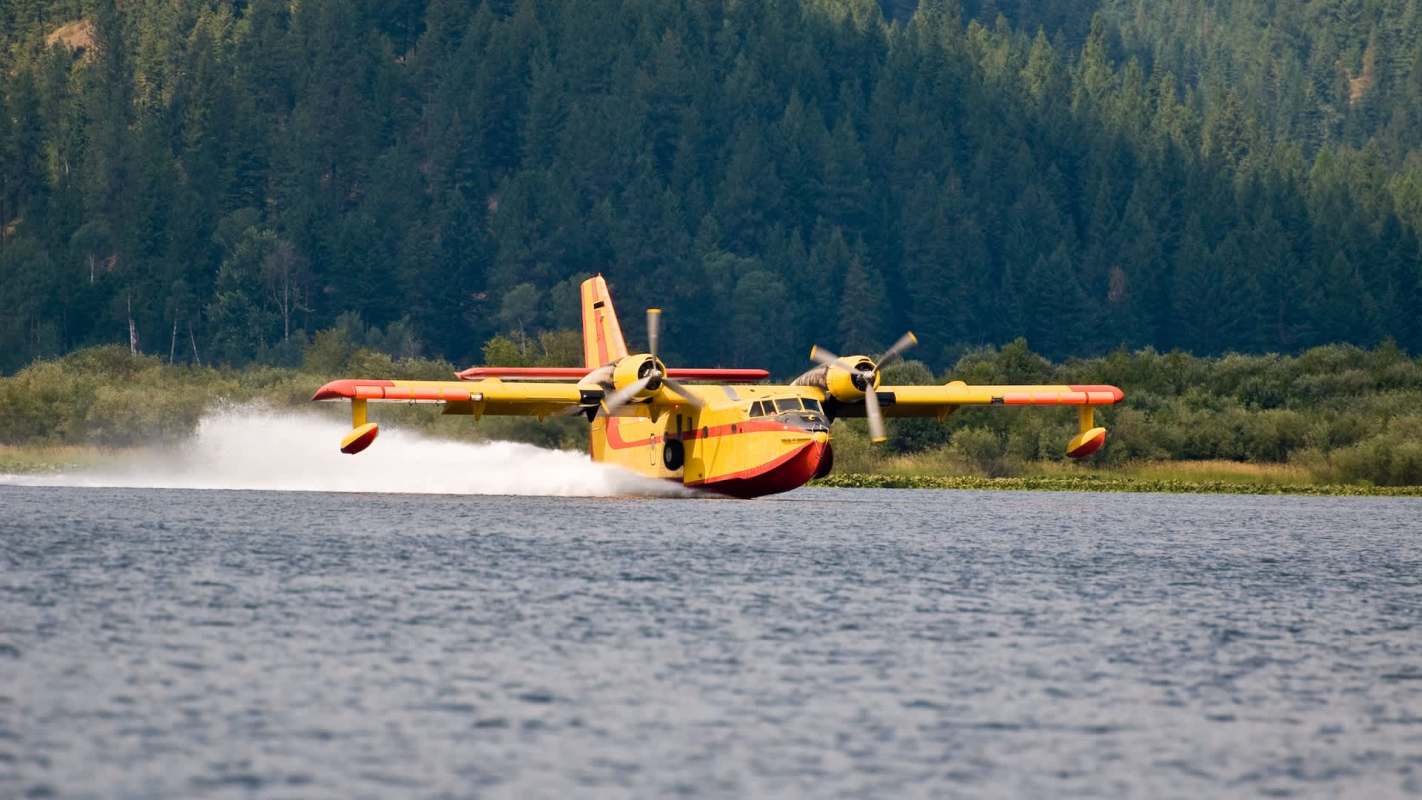
Flying a plane low to the ground and scooping water out of a lake to dump on a wildfire is already a stressful job. The last thing a pilot needs is to be shot at while doing it — but that's what happened in Minnesota last week.
What happened?
A bullet hit a small single-engine fire suppression aircraft during a water pickup on Kjostad Lake near Orr, Minnesota, on Friday night, according to The Minnesota Star Tribune, which cited St. Louis County Sheriff Gordon Ramsay.
The pilot reportedly noticed something was wrong during the flight but only discovered a bullet hole in the tail after landing at the Hibbing airport. Ramsay said the damage did not affect the aircraft's handling, and the pilot was able to safely finish the mission. No one reported any injuries.
The St. Louis County Sheriff's Office is investigating the incident, according to the Tribune.
The Minnesota Department of Natural Resources sent two single-engine fire suppression planes to the Orr area as northern Minnesota faced severe wildfire conditions. Multiple fires in the region have already prompted evacuations and highway closures, making aerial firefighting support especially critical.
Why is this incident concerning?
Gunfire directed at a firefighting aircraft is dangerous under any circumstances. It is especially alarming during an active wildfire emergency, when every minute and every resource can make a difference. Damage to a plane, injury to a pilot, or disruption to a water drop could all slow response efforts as crews work to protect homes, roads, and residents.
TCD Picks » Quince Spotlight
💡These best-sellers from Quince deliver affordable, sustainable luxury for all




Extreme weather disasters can threaten lives and livelihoods in immediate and lasting ways. Wildfires and their smoke can trigger respiratory issues, force families to evacuate, and create significant risks for first responders. They can also damage local businesses and leave communities facing expensive recovery efforts long after people contain the fire.
As many areas experience longer fire seasons due to rising global temperatures, wildfire management is more necessary and hazardous. That makes any attack on or interference with emergency crews particularly troubling. Firefighting pilots routinely fly low over water and uneven terrain under intense pressure, and even limited damage can create major safety risks.
The effects of wildfire emergencies also reach well beyond the burn area itself. Smoke can travel for long distances, affecting air quality in communities far from the flames. Evacuations can separate people from pets, medications, and work. Repeated disasters can also put added strain on local budgets and regional economies.
What's being done about this incident?
The sheriff noted that it will be difficult to find the person responsible. The St. Louis County Sheriff's Office is asking anyone who can help identify the shooter to call 911 and reference case number 26066433. Anyone calling can remain anonymous if they wish.
Protecting firefighting crews depends on strong enforcement of emergency response zones, public cooperation during active disasters, and support for wildfire prevention and suppression. That can include funding for equipment and staffing, responsible fire restrictions during high-risk periods, and stronger community preparedness before fire season worsens.
Emergency responders need safe conditions to do their jobs. When communities are already under wildfire threat, putting firefighting crews at even greater risk raises the stakes for everyone.

Get TCD's free newsletters for easy tips, smart advice, and a chance to earn $5,000 toward home upgrades. To see more stories like this one, change your Google preferences here.







