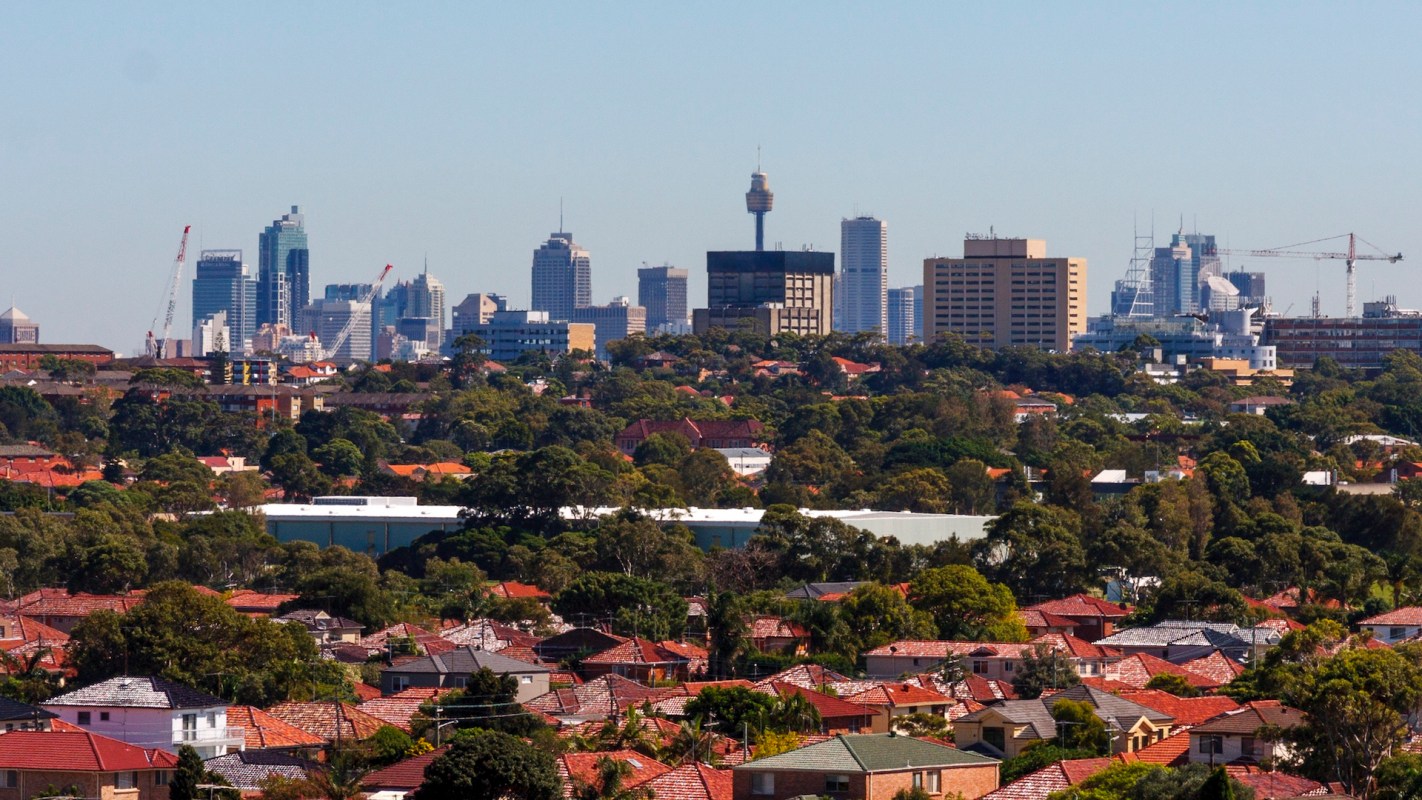
Rising global temperatures have deepened Australia's housing crisis, with new research suggesting homelessness could quadruple within about a decade if pollution remains high and housing policies fail to better protect vulnerable people.
According to The Guardian, researchers from the University of Sydney used 20 years of public data to model Australia's housing system and examine how it could respond under different warming futures.
The findings, published in the journal Cities, suggest housing affordability will worsen under both lower- and higher-emissions futures, but the impacts are far more severe in a world that continues to rely heavily on coal, oil, and gas.
In the higher-emissions scenario, homelessness could rise to roughly four times current levels by 2036 as rent and housing costs outpace income growth. The projections were based on climate pathways developed by the Intergovernmental Panel on Climate Change.
Under the lower-emissions pathway, countries cooperate to pursue a more sustainable future aligned with the Paris Agreement. In the higher-emissions future, coal, oil, and gas continue to dominate energy systems.
Associate Professor Nader Naderpajouh said the effects would be "very unequal," with renters and people already experiencing homelessness facing the greatest risks.
TCD Picks » Good Store Spotlight
Get 10% off your next purchase with code TCD10



"The pressure is already on for Australians in the housing market, and we see worsening social inequities in the future," said lead author Peyman Habibi-Moshfegh, per The Guardian. "We need to design fairer housing policies, or this is the trajectory we're heading towards."
Australia's housing system is already strained by rising mortgage rates, stagnant incomes, limited land supply, insurance costs, and population growth. Climate-related disasters could intensify those pressures even further.
Extreme weather can damage homes, force evacuations, disrupt employment, and increase recovery costs.
It can also worsen public health through heat stress, smoke exposure, mold, and unsafe living conditions while driving up insurance premiums, repair expenses, and rent.
TCD Picks » Quince Spotlight
💡These best-sellers from Quince deliver affordable, sustainable luxury for all




People with the fewest resources are often hit first and hardest when housing becomes both less affordable and more vulnerable to floods, fires, and heat waves.
Australia's latest national climate risk assessment warned that by 2030, one in 10 homes could be located in areas considered very high risk. The report also found that the climate crisis is worsening existing inequality.
Researchers argue future housing measures should undergo climate-focused scenario testing and include stronger support for low-income renters and people experiencing homelessness, rather than relying solely on broad market-wide solutions.
"We cannot address the housing system by one blanket policy," Naderpajouh added.

Get TCD's free newsletters for easy tips, smart advice, and a chance to earn $5,000 toward home upgrades. To see more stories like this one, change your Google preferences here.