


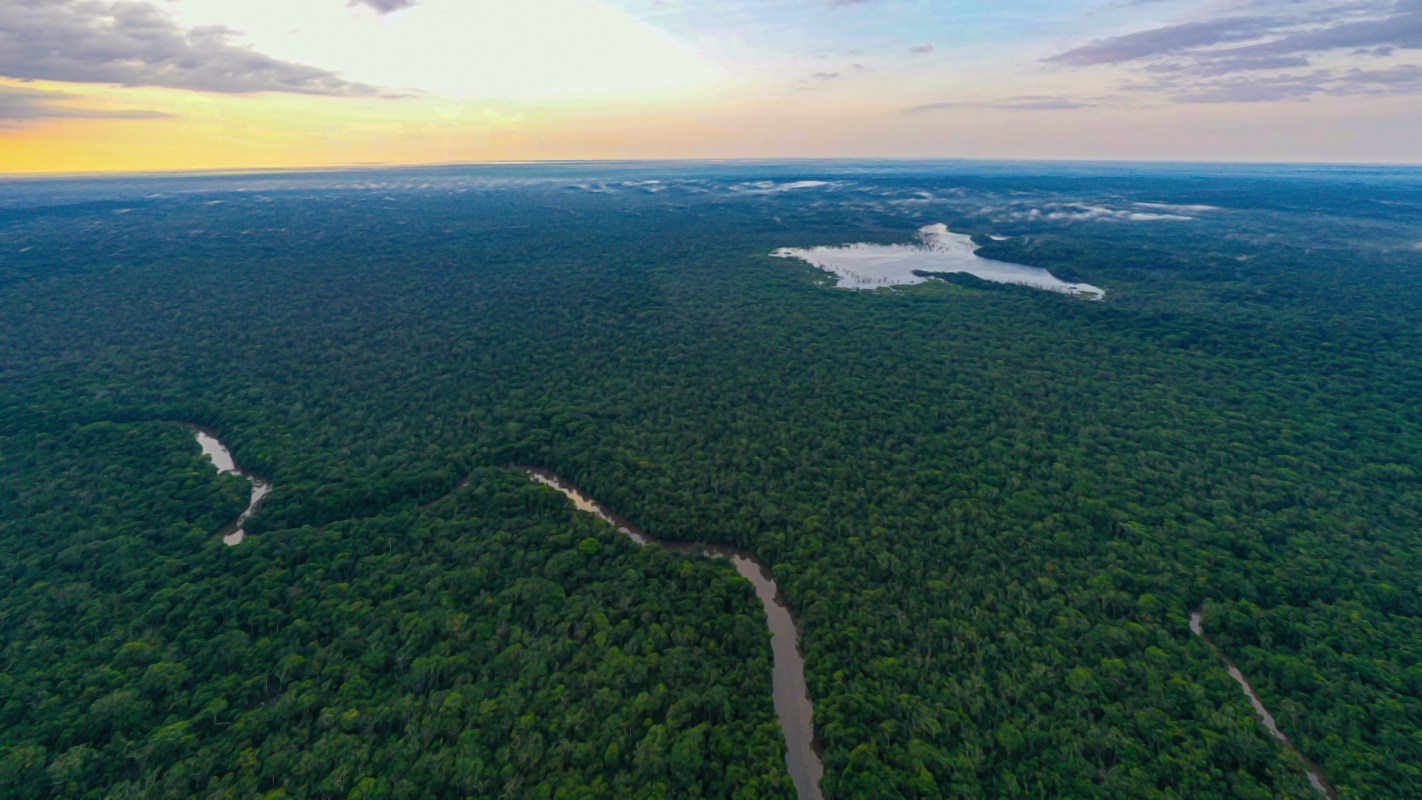
Brazil just delivered a rare piece of encouraging climate news.
According to Nation of Change, deforestation in the Brazilian Amazon has reached an eight-year low, offering a major sign that stronger environmental protections can make a real difference for one of the planet's most important ecosystems.
New data released this week by Brazil's space research agency, INPE, indicate that about 6,288 square kilometers (2,428 square miles) of forest were cleared between August 2024 and last July. That's just over the size of Rhode Island.
That marks a sharp improvement from 2021, when annual forest loss topped 13,000 square kilometers (5,019 square miles), or about the size of the state of Connecticut.
The shift matters for reasons that go far beyond wildlife.
The Amazon plays a critical role in regulating rainfall across South America, storing vast amounts of heat-trapping pollution in its trees and soil, and supporting Indigenous communities. When deforestation slows, the effects can include cleaner air, more stable water cycles, and stronger protection for communities living on the front lines of environmental destruction.
TCD Picks » Quince Spotlight
💡These best-sellers from Quince deliver affordable, sustainable luxury for all




Researchers link the decline to a mix of stronger federal enforcement, restored monitoring capacity, and political support for Indigenous land protections. Those measures are significant because illegal mining, land grabbing, and logging tend to expand when oversight weakens.
Coordinated operations in protected areas have reportedly helped limit some of that damage.
Researchers also credited Indigenous organizations and federal enforcement agencies with helping drive the improvement.
That community dimension is a major reason this story matters.
Protected Indigenous territories are often among the best-preserved areas of the Amazon, and defending those lands can help safeguard biodiversity.
The progress is real. But scientists are also warning against complacency.
Fires remain a major threat, especially because many are deliberately set to clear land. Drought conditions have left the Amazon more flammable than at any time in recorded history.
Illegal cattle ranching, soy expansion, infrastructure development, and illegal logging are still putting pressure on intact forests, while Brazil's Congress is debating legislation that conservationists say could weaken existing protections.
"We have to be aware that moving from cutting the size of Connecticut every year to cutting the size of my home state of Rhode Island every year is progress, but it's still going to mow down the rest of the forest eventually," said Stephen Porder, a professor of ecology at Brown University, per Nation of Change.
The recent drop in deforestation shows that policy and enforcement can work. It does not mean the danger has passed.

Get TCD's free newsletters for easy tips, smart advice, and a chance to earn $5,000 toward home upgrades. To see more stories like this one, change your Google preferences here.







