


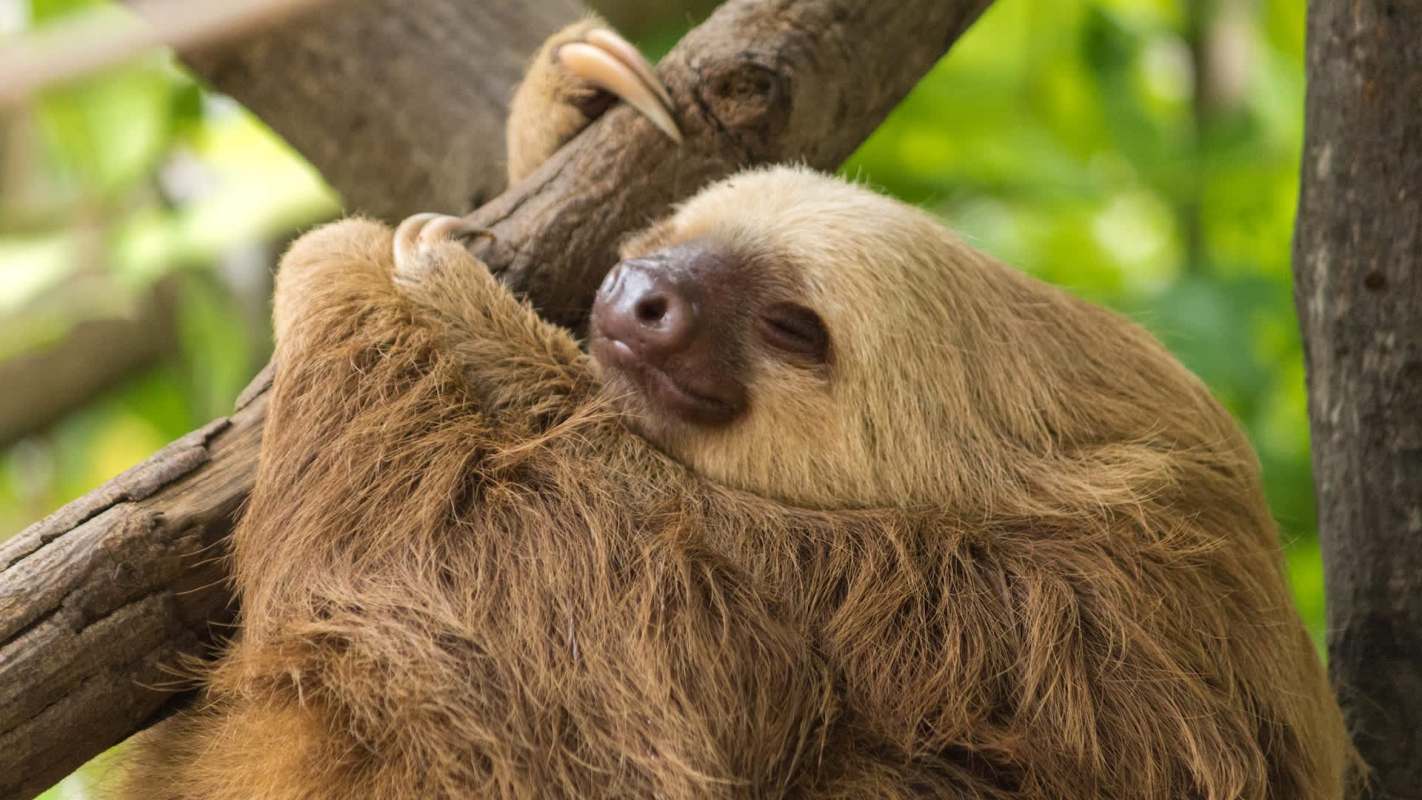
Florida has taken a meaningful step toward stronger animal protections by temporarily banning sloth imports while state officials rewrite exotic animal permit rules — a move that comes after 55 sloths died at the now-bankrupt Sloth World operation planned in Orlando.
According to Florida Today, the Florida Fish and Wildlife Conservation Commission said on May 13 that the ban starts right away and lasts through July 10. While temporary, the pause points to something larger — state leaders are responding to a long-running problem that wildlife advocates say has harmed animals for years with too little oversight.
That matters not only for sloths, but also for communities, consumers, and the broader effort to build a more humane and responsible relationship with wildlife.
FWC Director Roger A. Young said the deaths seem tied to an intestinal infection that had "severe and in many cases fatal effects." He also said the problem looked confined to a single facility and was "not a widespread issue." Even so, the details that have emerged from that facility are deeply disturbing.
According to Florida Today, an incident report obtained by Inside Climate News said sloths were kept in an unprepared warehouse lacking heat, windows, and running water. It also said the animals had been brought in from Guyana and Peru.
The article reported that space heaters were set up using an extension cord from another building, which caused fuses to trip. On at least one night, the sloths were reportedly left in the cold without overnight staff there to fix the problem. That kind of failure makes clear why stricter rules can matter.
TCD Picks » Quince Spotlight
💡These best-sellers from Quince deliver affordable, sustainable luxury for all




Tighter oversight can help prevent poorly regulated exotic animal businesses from operating in unsafe ways, whether by reducing animal suffering, protecting public trust, or lowering the risk of disease issues tied to stressed, trafficked wildlife. For Florida communities that depend on tourism, it also helps draw a clearer distinction between ethical wildlife care and exploitative attractions.
The environmental stakes are broader still. The Sloth Institute's analysis found that 1,141 of 1,146 sloths imported into the United States from 2011 to 2021 were wild-caught, with 97% originating in Guyana and most arriving through Miami. Halting imports, even temporarily, could reduce pressure on wild populations and send a message that live wildlife should not be treated as a disposable commodity.
The ban also follows direct advocacy from conservation leaders.
According to Florida Today, Dr. Rebecca Cliffe of The Sloth Conservation Foundation and Sam Trull of The Sloth Institute came from Costa Rica to meet with Florida officials and local authorities about stronger sloth protections. Meanwhile, FWC has formed a task force to overhaul exotic animal permit rules after meetings involving state Rep. Anna Eskamani, agency officials, and sloth nonprofits.
Some in the exotic animal industry may argue that temporary bans can also affect legitimate operators, including accredited zoos, educational facilities, and rescues that follow proper care standards. Others may say that a short-term ban does not solve the larger problem if enforcement remains inconsistent.
Those concerns deserve to be taken seriously, especially for workers and organizations that rely on clear, fair regulations.
For advocates, the state's move is overdue but encouraging. "Imported wild sloths have been dying for years, in virtual silence," Trull said in a prepared statement. "But today's decision from the FWC shows that it doesn't have to be this way."
Florida Attorney General James Uthmeier recently wrote on X that prosecutors from his office were assisting in an "ongoing criminal investigation" into the sloth deaths and the circumstances behind the animals' seizure in the wild.
After a devastating series of losses, Florida's pause on sloth imports could prove to be a turning point — one that protects animals, supports stronger ethical standards, and helps build a future in which wildlife is treated with far greater care than it was in this case.

Get TCD's free newsletters for easy tips, smart advice, and a chance to earn $5,000 toward home upgrades. To see more stories like this one, change your Google preferences here.






