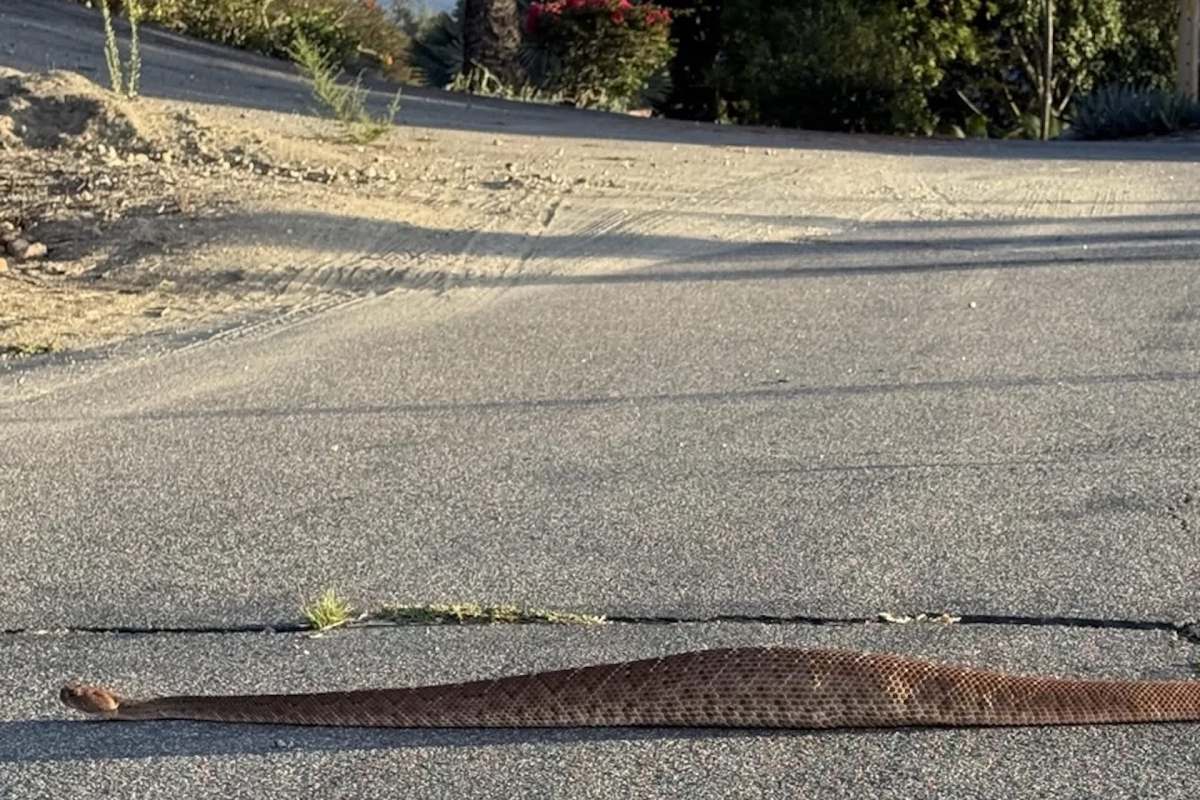
A bulging red diamond rattlesnake spotted in San Diego is drawing attention online after a Reddit user shared a photo of the snake stretched across a road with a dramatically swollen midsection.
What happened?
Based on the photo, it appears the snake recently had a meal.
"Woke this food coma snake up and got them moved out of the road," the poster wrote, adding, "I've never seen such a fat snake."
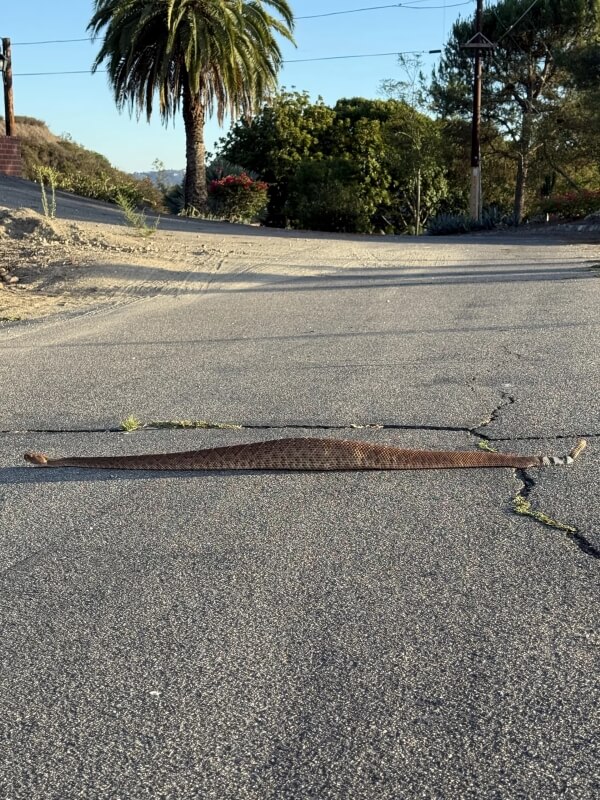
After eating, a snake can look especially unusual because it swallows prey whole, creating a large visible lump until digestion is further along. During that period, it can also be slower and more vulnerable, which may help explain why this one was found in the road.
"I absolutely cackled with laughter at this chonker," one commenter said. "That's a well fed snek!!"
"Looks like he swallowed a hightop sneaker," wrote another.
Get cost-effective air conditioning in less than an hour without expensive electrical work The Merino Mono is a heating and cooling system designed for the rooms traditional HVAC can't reach. The streamlined design eliminates clunky outdoor units, installs in under an hour, and plugs into a standard 120V outlet — no expensive electrical upgrades required. And while a traditional “mini-split” system can get pricey fast, the Merino Mono comes with a flat-rate price — with hardware and professional installation included. |

Still, the setting is what makes the sighting especially concerning. Roads are dangerous for snakes, and for drivers or pedestrians, an unexpected encounter with an animal can become risky very quickly.
Why is a red diamond rattlesnake encounter concerning?
The sighting is a reminder that human activity plays a major role in where wildlife appears. Expanding neighborhoods, heavy traffic, and fragmented habitat can force snakes and other animals to move through developed areas more often, raising the chances of stressful or dangerous encounters.
Rising global temperatures may also be part of the story. Warmer conditions can affect when snakes are active, where they take shelter, and how prey species move through the landscape. That does not mean every rattlesnake sighting can be directly tied to warming temperatures, but scientists have warned that human-driven environmental changes are altering animal behavior in ways that bring wildlife and people into closer contact.
Venomous snake bites are a serious public health concern, especially for hikers, homeowners, children, and pets. At the same time, snakes are frequently killed by vehicles or by people who panic when they encounter them.
TCD Picks » Quince Spotlight
💡These best-sellers from Quince deliver affordable, sustainable luxury for all




Snakes also serve an important ecological purpose by helping keep rodent populations in check. When native predators disappear, ecosystems can become less balanced, sometimes creating new problems for nearby communities.
What's being done about snake-human encounters?
Wildlife agencies, conservation groups, and local communities are working on several approaches, including habitat protection, stronger public education, and wildlife-friendly road design. Efforts such as preserving open space and building wildlife crossings can help reduce the need for animals to travel through high-traffic areas in the first place.
Public awareness is also key. Experts advise against handling rattlesnakes, even if they appear sluggish after eating. If a snake is in an unsafe location, the safest response is to keep your distance and contact local animal control or a trained wildlife relocator.
People living in snake country can also lower the risk by staying on marked trails, watching where they step, keeping yards clear of dense debris, and supervising pets while outdoors.
Reducing the pressures that push wildlife into roads and neighborhoods means supporting smarter land use and efforts to curb the pollution driving rising temperatures.

Get TCD's free newsletters for easy tips, smart advice, and a chance to earn $5,000 toward home upgrades. To see more stories like this one, change your Google preferences here.
Cool Picks