


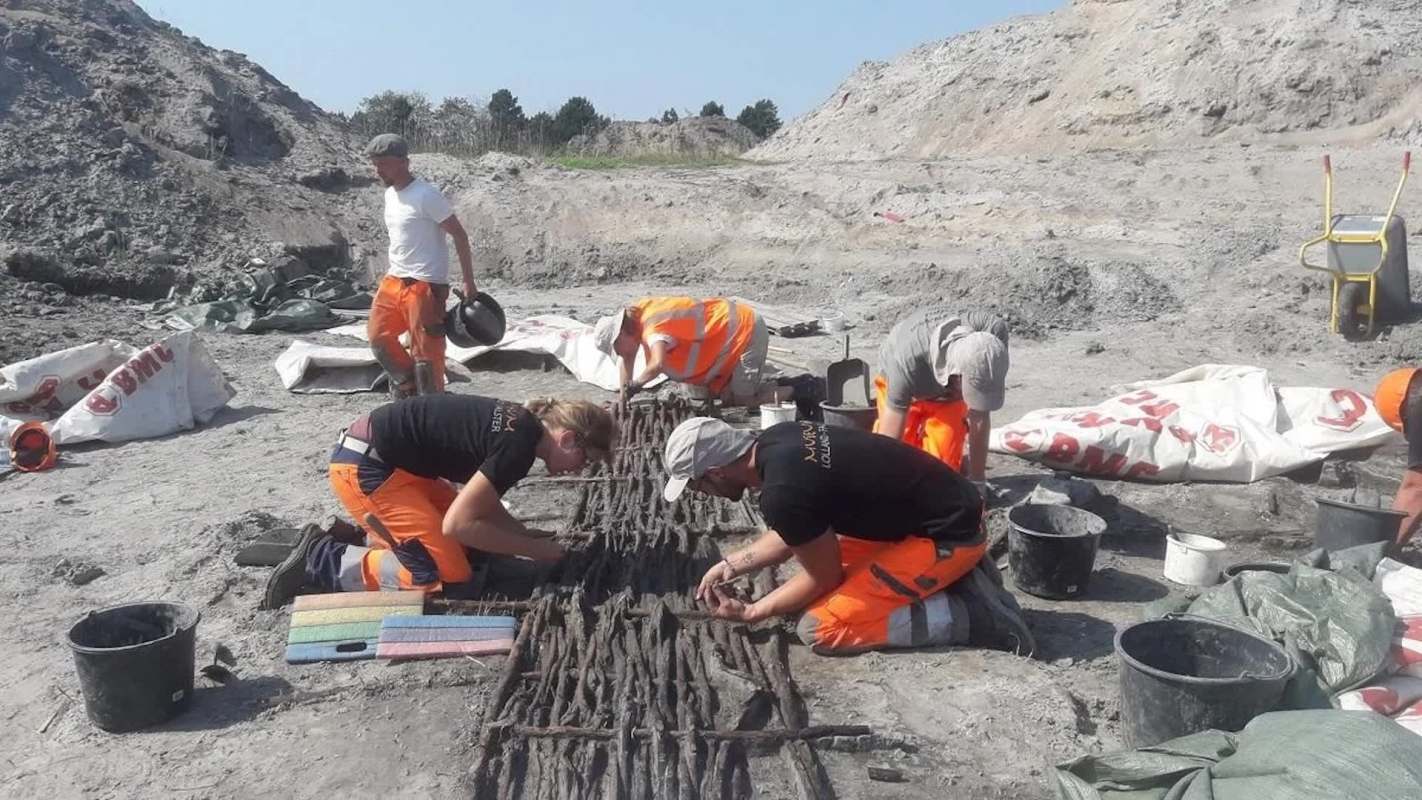
A new study is challenging one of history's cleanest narratives. Even after farming spread to Scandinavia, people in what is now Denmark continued to hunt and fish for millennia.
Rather than marking a simple shift from wild foods to crops and livestock, the research points to a far more flexible way of life.
What happened?
The study looks at ancient communities in Denmark during the long transition to agriculture, a period that is often framed as the point when farming replaced foraging. But according to Archaeology News, researchers found that the story is incomplete. People continued relying on fish, game, and other hunted foods long after domesticated plants and animals had arrived.
That stands out because it complicates a familiar idea about human progress. Instead of abandoning one food system for another all at once, these communities appear to have combined strategies for generations, adjusting to local landscapes and available resources.
Why does it matter?
The finding matters because it shows that major food transitions are rarely simple. Ancient communities did not choose a single system and stick with it. They used a mix of methods that worked. That is a useful reminder today as modern societies search for food solutions that are both dependable and better for the planet.
A more diverse food system can lower risk when a single source becomes less reliable, whether due to weather, ecosystem shifts, or supply chain disruptions. In that sense, the research offers a surprisingly current lesson — flexibility can make everyday life more secure.
TCD Picks » Quince Spotlight
💡These best-sellers from Quince deliver affordable, sustainable luxury for all




It also shows how scientific tools can reveal sophisticated ways humans adapted in the past. By reconstructing ancient diets, researchers can better understand how people balanced farming with local natural resources. That kind of insight could help inform more sustainable food planning today, from supporting regional fisheries to expanding lower-impact eating habits.
What are people saying?
Researchers say the results complicate the old idea that farming quickly replaced hunting and fishing. Instead, they point to a long period of overlap between the two ways of life.

Get TCD's free newsletters for easy tips, smart advice, and a chance to earn $5,000 toward home upgrades. To see more stories like this one, change your Google preferences here.






