


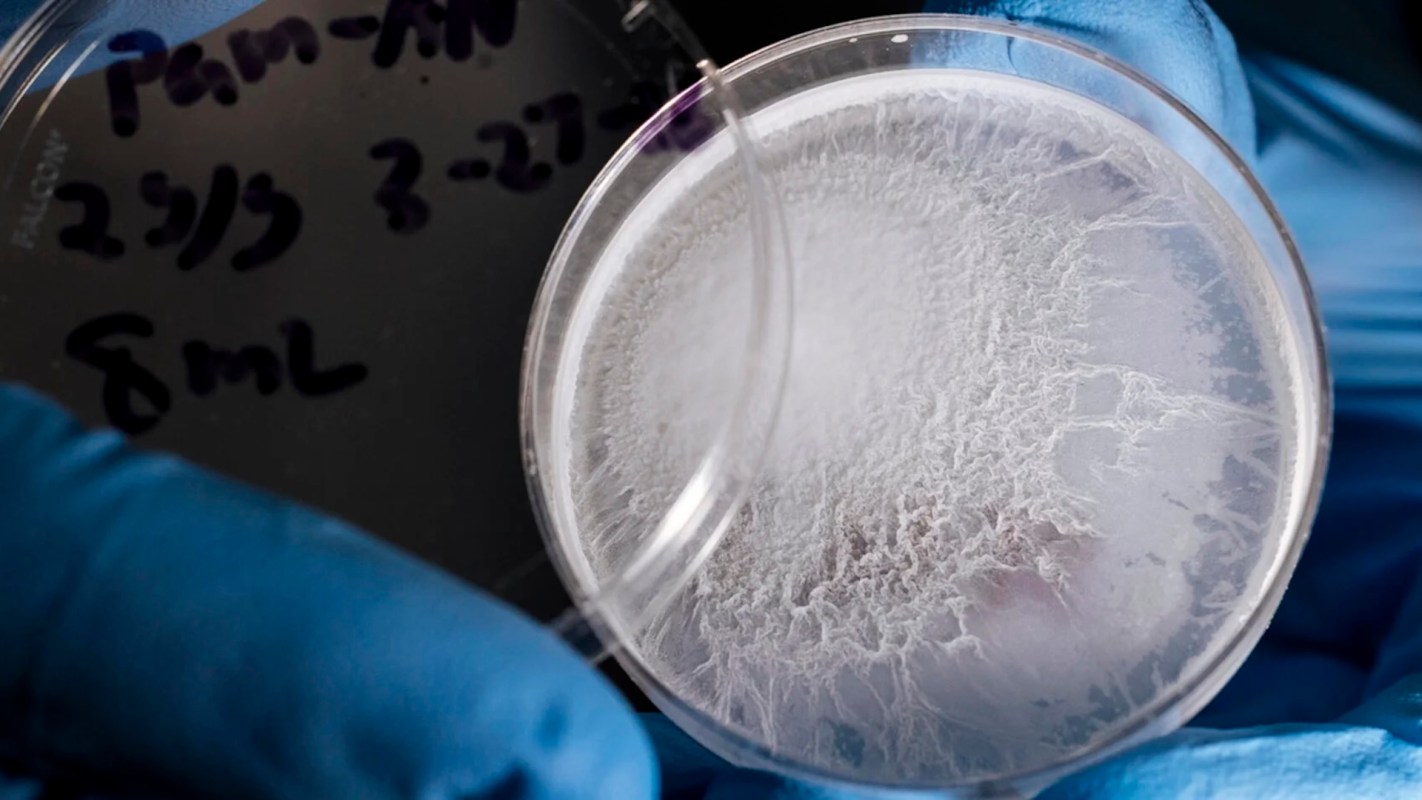
A solar-powered material developed by researchers at Stanford University and MIT may offer a remarkably cheap way to turn air into safe drinking water, even in some of the driest places on Earth.
In a study published in the peer-reviewed journal Nature Communications, the researchers created an upgraded "hydrogel" by adding an anti-corrosion coating, which then draws moisture from the air and releases it as drinkable water.
The hydrogel was designed with lithium chloride and polyacrylamide. It was then tested and improved to the point where it could capture water vapor for drinking purposes for about 190 cycles, according to Food & Wine.
What makes the advance stand out is not just that it works, but that the new version of the hydrogel is far more durable than earlier designs, potentially making it a practical, low-cost water source for people living through severe drought.
The scientists' design was able to produce about two liters of water every day, which, in theory, is enough to meet a person's emergency water needs. But the researchers, who also come from the Georgia Institute of Technology and ETH Zurich, are hoping to increase this figure to nearly five liters per day.
In the study, the researchers concluded that "this represents a major step towards low-cost water production to address the water scarcity problem of large populations across the world." And the need is enormous. According to the World Health Organization, one in four people around the world does not have reliable access to safe drinking water.
TCD Picks » Quince Spotlight
💡These best-sellers from Quince deliver affordable, sustainable luxury for all




Dr. Carlos Diaz-Marin, a professor at Stanford and co-lead author of the study, wrote in a press release that "there are a lot of people who don't have access to water or have to walk hundreds of hours per year to procure water. There are also very water-intensive industries like semiconductor manufacturing and data centers that are putting even more pressure on water systems. We believe this could potentially be a way to provide additional water resources."

Get TCD's free newsletters for easy tips, smart advice, and a chance to earn $5,000 toward home upgrades. To see more stories like this one, change your Google preferences here.






