


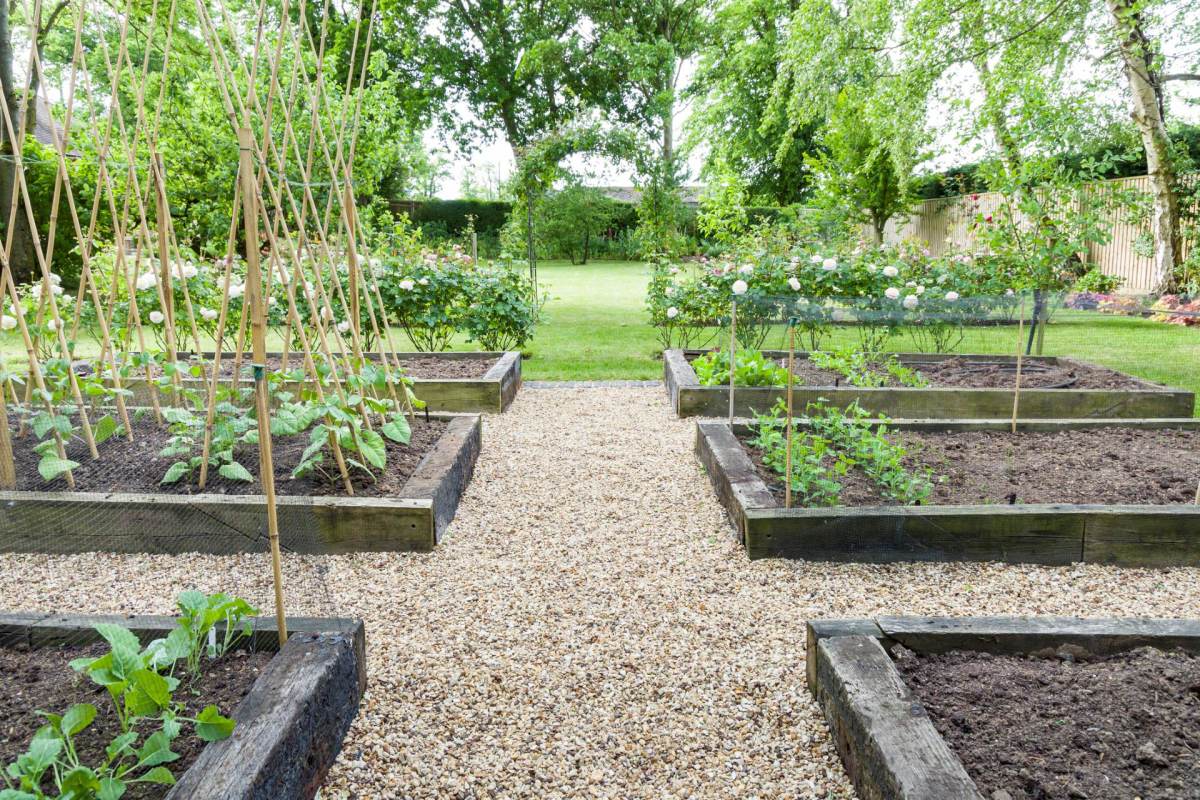
One urban gardening idea could do a lot more than brighten a neighborhood by replacing paved-over public space with raised community garden beds.
One of the main intentions, the Guardian reported, is to allow young people to grow fruits and vegetables close to home.
The concept, championed by Eden Project co-founder Tim Smit, takes aim at several challenges at once, from limited access to land and expensive produce to the feeling that many towns have become overwhelmed by asphalt instead of green space.
Smit created an "edimental" garden for the Chelsea Flower Show alongside landscape designers Harry Holding and Alex Michaelis. The display mixes edible plants such as cabbage and strawberries with ornamental flowers, making the case that food gardens can be every bit as beautiful as traditional landscaping.
He hopes the project will inspire not only home gardeners but also local councils to rethink how public space is used, especially for younger people who want to grow food but have trouble finding land.
Smit's proposal is for towns to "rip up asphalt" and replace it with large growing boxes or community beds where residents, especially young people, can plant vegetables and fruit.
TCD Picks » Quince Spotlight
💡These best-sellers from Quince deliver affordable, sustainable luxury for all




"I wish more young people had access to land," he said.
Part of what makes the idea so practical is the "edimental" approach itself. Rather than treating food plants as something that belongs only on farms or allotments, it treats them as part of attractive public design.
In practice, that means a council could create spaces that look good while also producing fresh food.
Smit has long advocated for deeper access to nature, arguing that many people have been "denatured" by losing touch with land. He has also pointed to a growing movement of young people who want places to grow food not only for themselves, but for others as well.
One of the biggest non-environmental benefits of these gardens is cost. Growing even part of your own produce can help lower grocery bills, especially for herbs, salad greens, strawberries, and other items that often come with a high price tag at the store.
It can also mean better flavor. Smit has spoken about older, less-commercialized fruit and vegetable varieties that may produce less heavily but can taste significantly better.
"If you crush [a traditional variety of strawberry] across the top of your palate and let the juice run over your tongue, you'll never forget," he remarked.
There are health benefits too. Gardening gets people moving, encourages time outdoors, and can support mental health by reducing stress and creating a stronger sense of connection to a place and community. For young people in particular, access to a plot, raised bed, or shared garden can make food feel hands-on and rewarding rather than abstract.
On the environmental side, community gardens can reduce food miles, cut back on excess packaging, and create habitat for pollinators. Replacing even small patches of asphalt with growing spaces can also help reduce heat buildup in urban areas and make neighborhoods feel more livable.
Smit has highlighted another major advantage as well: preserving heritage edible plants at a time when many traditional varieties are being pushed toward extinction in favor of crops bred mainly for yield or durability.
If towns embraced the idea at scale, it could also help strengthen more local food systems, including farmers' markets.
According to the Guardian, after Chelsea, Smit's garden is expected to move permanently to Eden Project Morecambe, where it will join a 1.5-acre community space for learning, gathering, and stewardship; exactly the kind of model he hopes more councils will choose to follow.

Get TCD's free newsletters for easy tips, smart advice, and a chance to earn $5,000 toward home upgrades. To see more stories like this one, change your Google preferences here.







