


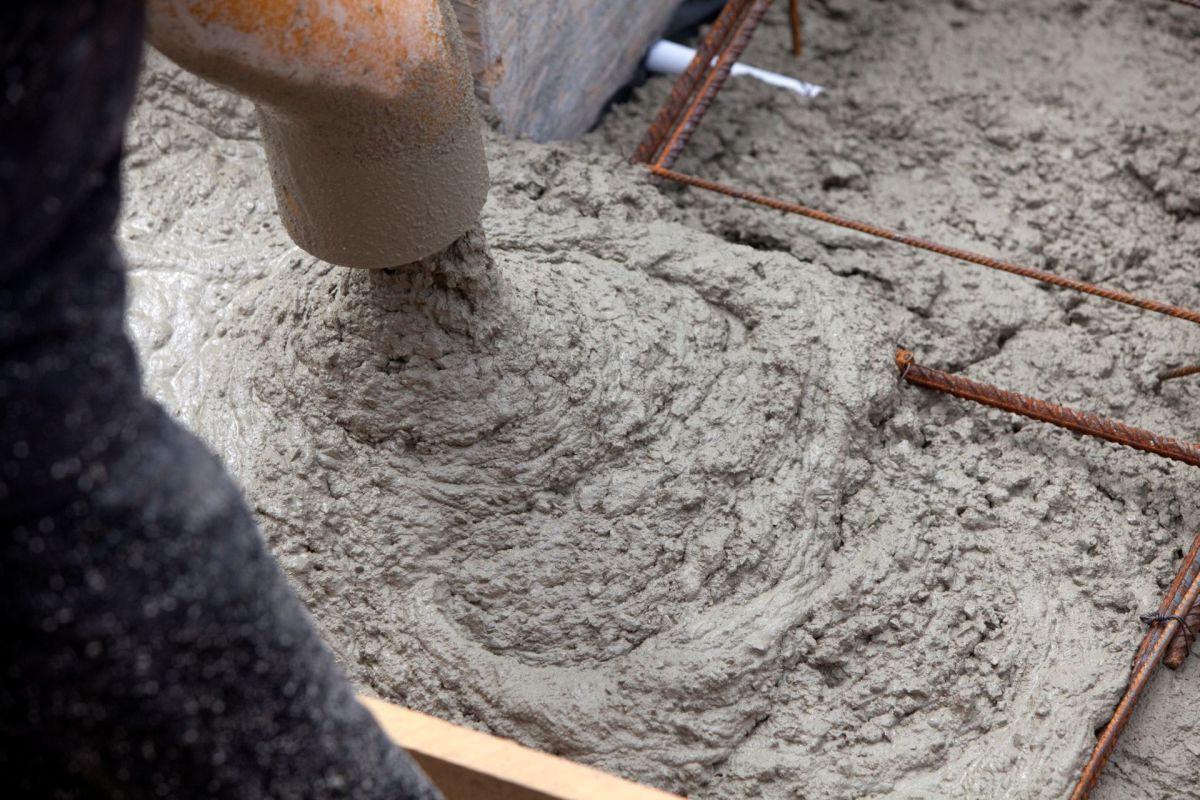
A new cement-making process could sharply reduce pollution from one of the world's most carbon-intensive industries.
In a study published May 13 in ACS Energy Letters, researchers described an electricity-driven continuous reactor that converts limestone and silica into calcium silicate hydrate, or "eCSH." That material can then be heated into belite, a key ingredient in cement clinker.
According to the study, this belite formed at 1,202 degrees Fahrenheit — well below the roughly 2,192 degrees Fahrenheit typically required in conventional production.
That temperature difference is significant. Cement manufacturing is notoriously energy-intensive because it depends on extreme heat, which is usually produced by burning coal and other fuels. Lowering the heat requirement could dramatically reduce the fuel needed to make cement while also cutting the carbon pollution associated with the process.
According to the researchers, their method could lower thermal demand by 70% and reduce carbon dioxide pollution by 98% compared with ordinary Portland cement clinker production. For the process using waste cement, the paper said emissions were calculated at about 20 kilograms of CO2 per ton of belite-rich cement clinker, compared with roughly 800 kilograms per ton for standard clinker.
That could have broad benefits beyond the factory gate.
TCD Picks » Quince Spotlight
💡These best-sellers from Quince deliver affordable, sustainable luxury for all




Cement is embedded in daily life — in houses, apartment buildings, sidewalks, schools, roads, and bridges. Reducing pollution from cement production could help lower industrial emissions, improve air quality near manufacturing centers, and shrink the climate impact of the buildings and infrastructure people rely on every day.
The process may also offer another important advantage: flexibility in its raw materials. The team said it can work not only with limestone and silica, but also with waste cement.
That means old cement from demolished structures could potentially become feedstock for new, lower-pollution cement production. In turn, that points toward a more circular construction industry, one in which materials are reused instead of discarded and fewer new raw resources are needed from the start.
The chemistry is also interesting.
According to the paper, ordinary Portland cement clinker is composed mainly of alite, with belite also present. The authors noted that belite develops at lower temperatures than alite, though standard production still needs significant heat. By first producing eCSH electrochemically, the researchers found a way to make belite at much lower temperatures than usual — a change that could make cleaner cement manufacturing far more practical.
If the technology can be scaled, it could help address a climate challenge that has proved especially difficult to solve.
Sectors such as transportation and electricity generation have clearer routes to decarbonization, but heavy industry — and cement in particular — has remained harder to clean up. A process that uses electricity, runs continuously, and can incorporate waste cement could make that problem more manageable.
The researchers clearly summarized the method's promise in the paper, writing that it "presents a credible path" to reducing the industry's environmental footprint.

Get TCD's free newsletters for easy tips, smart advice, and a chance to earn $5,000 toward home upgrades. To see more stories like this one, change your Google preferences here.






