


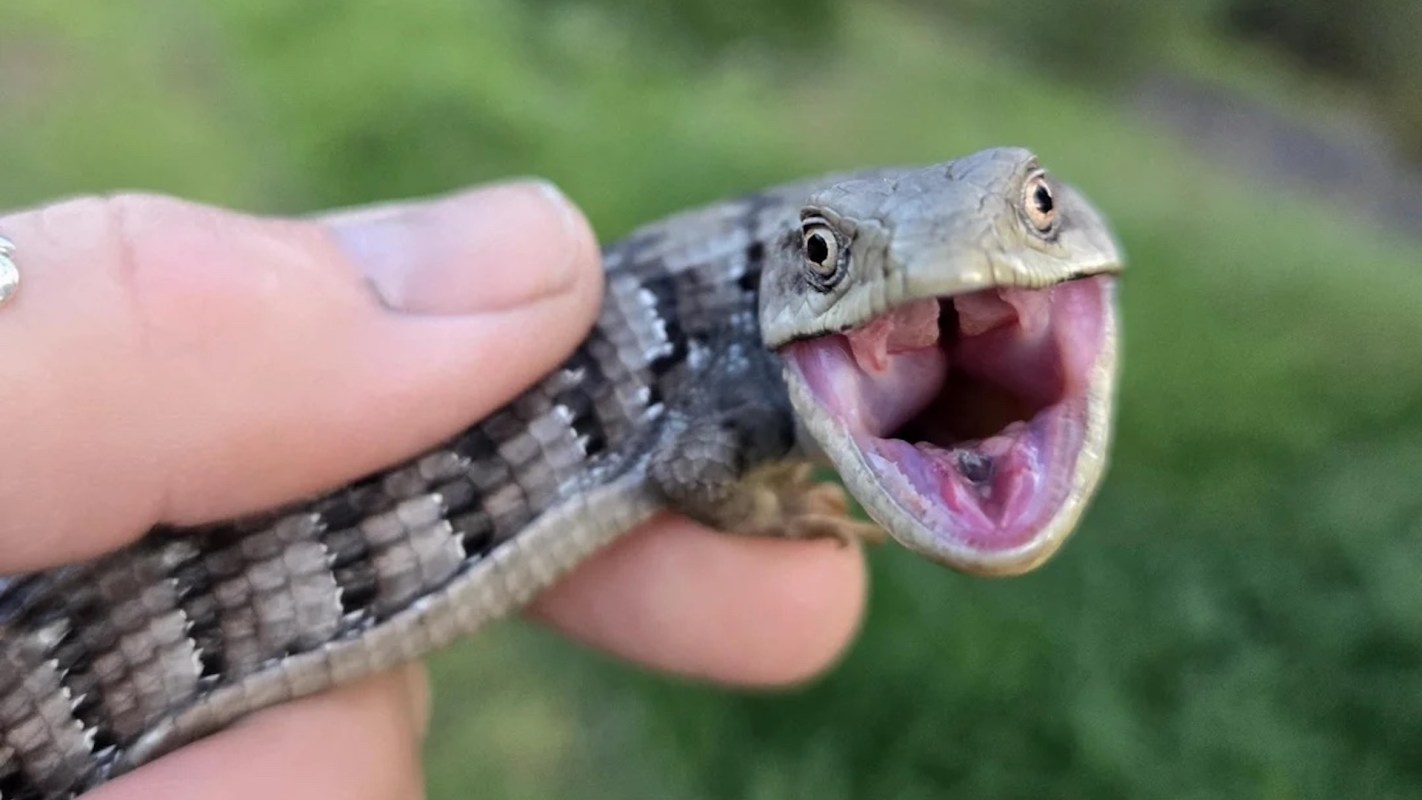
A routine call took an unexpected turn when a supposed "snake" turned out to be an angry alligator lizard instead — a small but telling example of how people are increasingly running into wildlife in and around human spaces.
What happened?
"Got a call for a 'snake' removal today. Ended up being this angry alligator lizard," the poster wrote in a Reddit post that drew more than 2,700 upvotes and dozens of comments.
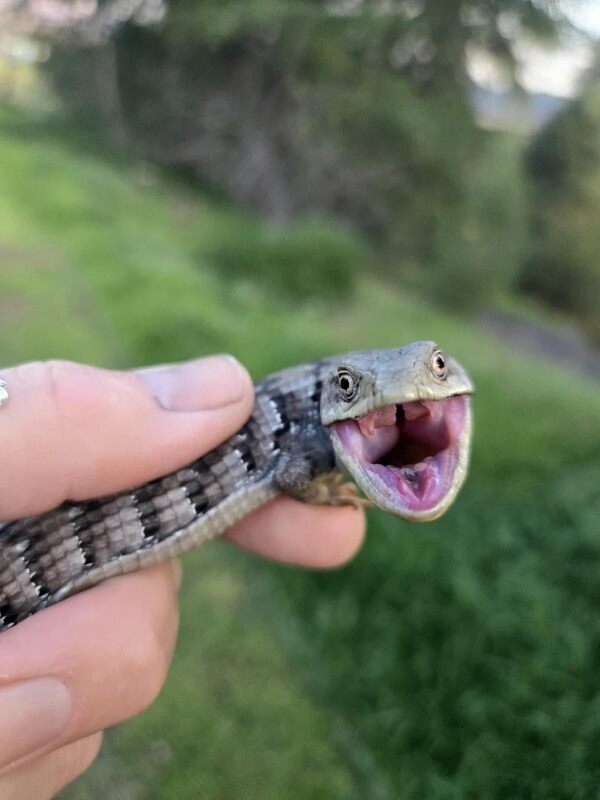
"They are so funny," one commenter said. "Always with spicy attitudes!"
"Looks very offended over being called a snake," another added.
While the moment played as a funny surprise online, it also points to a broader reality. As neighborhoods push farther into wild areas and natural habitat becomes increasingly fragmented, animals that once stayed farther from people are more likely to end up in yards, garages, and homes.
Reptiles, in particular, can spark alarm when they appear unexpectedly, even when they pose little threat.
TCD Picks » Quince Spotlight
💡These best-sellers from Quince deliver affordable, sustainable luxury for all




Why is this encounter concerning?
Encounters like this reflect the growing pressure on wildlife — and the risks that come with humans and animals being pushed into closer contact.
Human development, road construction, landscaping, and sprawl can all shrink the places reptiles and other animals need to hide, hunt, and regulate their body temperature. Rising global temperatures can add another layer of stress by changing where animals can comfortably live and when they are active.
That has consequences for both people and wildlife. Frightened residents may kill harmless native animals out of fear, while the animals themselves can face injury, relocation, or death simply for ending up in the wrong place.
Misidentifying species can make matters worse, especially when nonvenomous lizards are mistaken for snakes or treated as pests rather than as important parts of local ecosystems.
Reptiles such as alligator lizards help control insect populations and play a meaningful role in the food web. Losing them — or treating every encounter as a threat — can further weaken ecosystems that are already under strain.
What can I do to help alligator lizards?
The good news is that reducing conflict with reptiles often begins with practical, commonsense steps.
If you find an unfamiliar wild animal, avoid handling it unless absolutely necessary, and give it space to leave on its own. If removal is needed, contacting a trained wildlife professional is the safest option for both people and animals.
Homeowners can make yards safer for wildlife by avoiding chemical-heavy landscaping, preserving native plants, and leaving some natural shelter in place rather than stripping outdoor spaces bare. Native habitat provides reptiles with places to hide and reduces the likelihood that they end up trapped in human-made areas.

Get TCD's free newsletters for easy tips, smart advice, and a chance to earn $5,000 toward home upgrades. To see more stories like this one, change your Google preferences here.







