


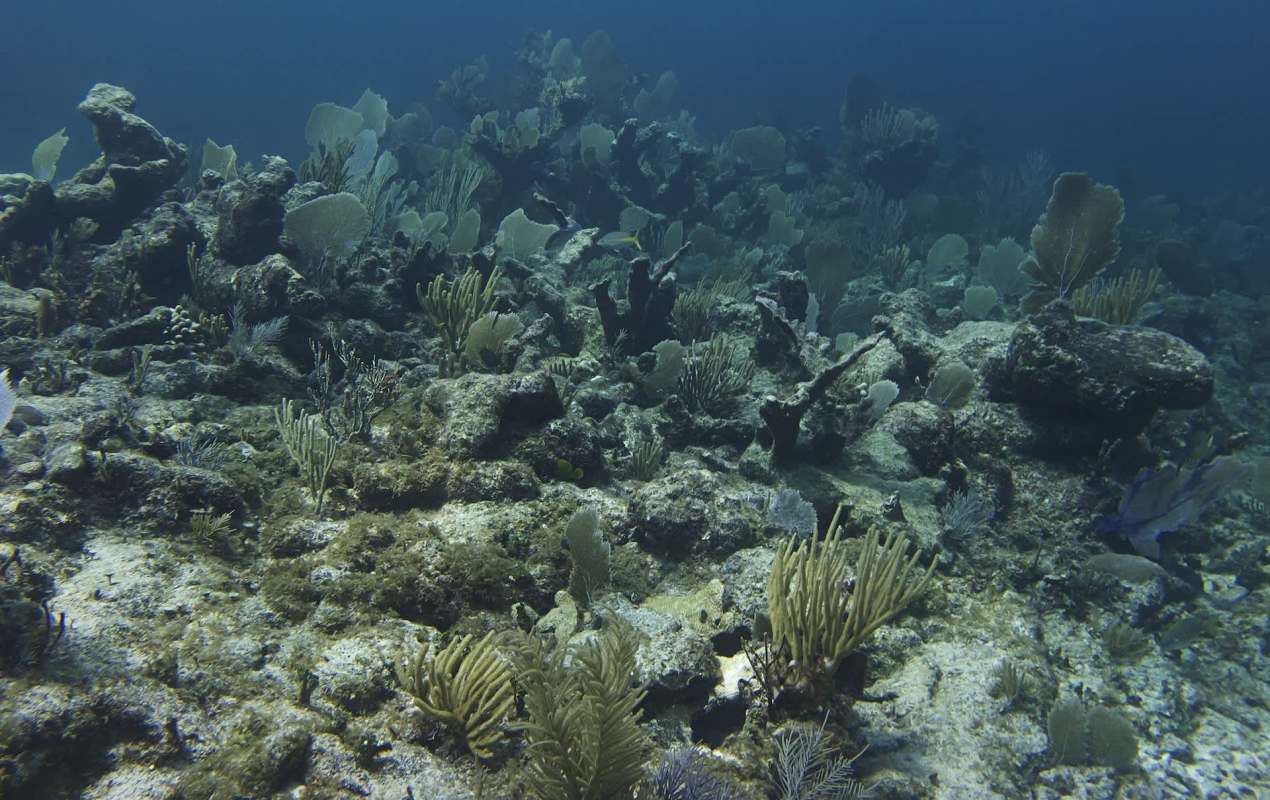
Caribbean coral reefs are starting to crumble much sooner than scientists expected after a powerful 2023-24 marine heat wave caused the most severe coral bleaching event ever recorded, according to a new study.
The newly published study, explained by two of the authors for The Conversation, found that these warmer waters, combined with the deadly stony coral tissue loss disease, pushed most monitored reefs in the region past a critical tipping point that many experts believed was at least a decade away. The researchers stated that over 70% of monitored Caribbean reefs were pushed out of net growth and into net erosion.
Reefs are now eroding faster than coral can rebuild them.
Marine heat waves can kill corals quickly, but the damage goes beyond coral death alone.
According to the study, extreme ocean temperatures accelerate the breakdown of coral skeletons, causing reefs to dissolve and flatten. At the same time, stony coral tissue loss disease has been devastating to coral species across the Caribbean, stripping away living tissue and weakening reef systems already under stress.
Reefs are no longer keeping pace with the natural wear and tear caused by waves, storms, and biological erosion. They are beginning to physically fall apart.
TCD Picks » Quince Spotlight
💡These best-sellers from Quince deliver affordable, sustainable luxury for all




Caribbean coral reefs are much more than underwater landmarks. They serve as natural barriers that reduce wave energy and help protect shorelines from flooding and storm surge. When reefs lose their three-dimensional structure, coastal communities become more vulnerable.
That is especially important in a region where many people live close to the ocean and rely on reef ecosystems every day. Reefs support fisheries, tourism, and local economies, and around half a billion people worldwide depend on coral reefs in some way.
As reefs erode, fish habitat shrinks, catches can decline, beaches and coastlines become more exposed, and communities can face rising costs tied to food, storm recovery, and infrastructure protection.
In other words, reef collapse does not stay underwater; it can spread into household budgets, jobs, and public safety.
The findings also show how rising global temperatures are speeding up damage in places once thought to have more time. That gives communities and conservation groups less room to plan, fund restoration, and protect the benefits reefs provide.
Scientists, conservation groups, and local governments are working on several fronts, even as the challenge grows.
One of the biggest priorities is reducing the heat-trapping pollution driving ocean warming. Without that, reef restoration efforts alone are unlikely to keep pace with repeated marine heat waves.
Across the region, reef managers are also expanding disease tracking, coral rescue efforts, and restoration programs such as coral nurseries and outplanting.
Improving water quality could help as well, since reducing sewage pollution and runoff may lower stress on corals and improve their chances of recovery. Marine-protected areas and stronger fisheries management may also give reef ecosystems a better shot at bouncing back.
The new study is a stark warning, but it also highlights why acting quickly matters. The sooner reefs are protected from warming seas, pollution, and disease, the better the chances that coastal communities can hold on to the food, income, and storm protection these ecosystems provide.

Get TCD's free newsletters for easy tips, smart advice, and a chance to earn $5,000 toward home upgrades. To see more stories like this one, change your Google preferences here.







