


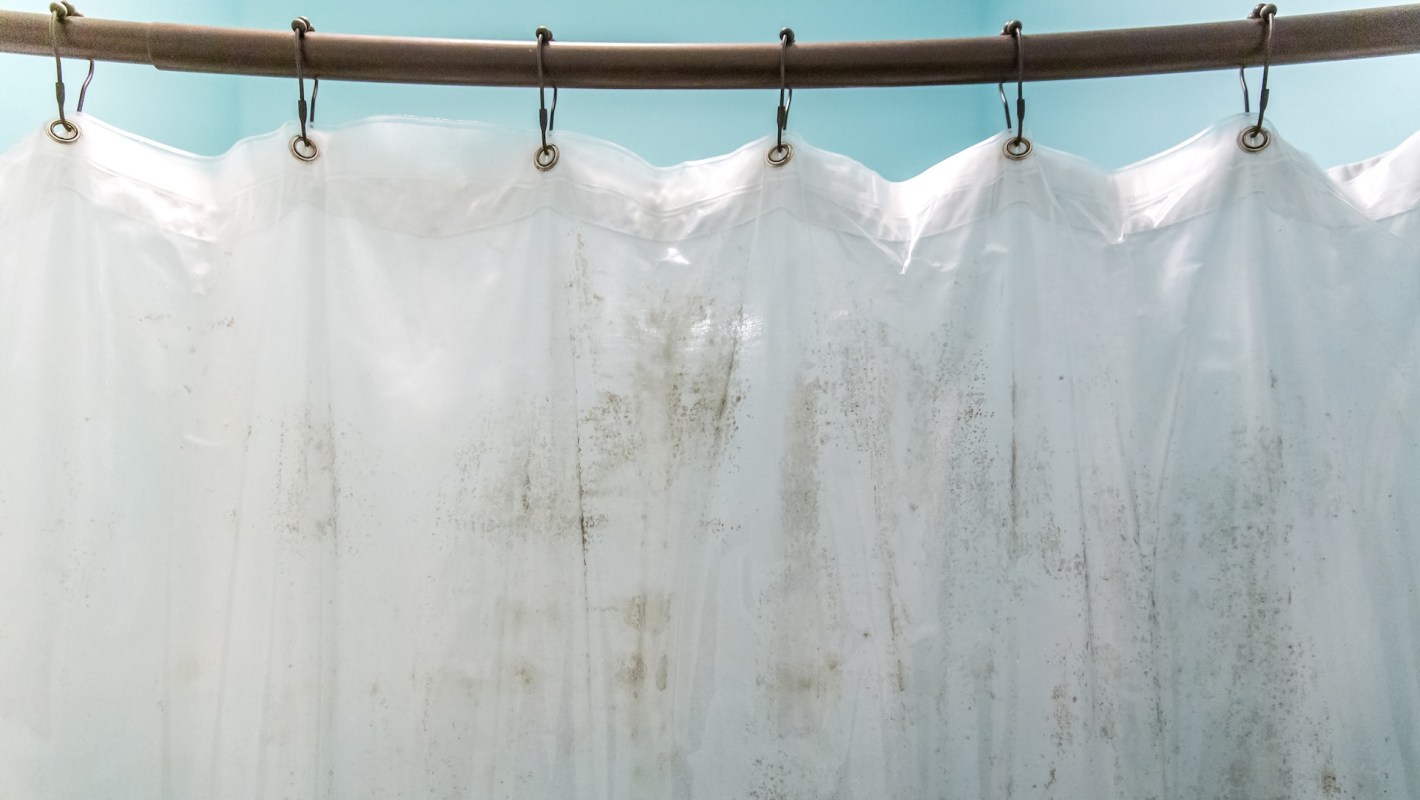
A plastic shower curtain liner can start to look dingy or smell musty long before it's time to replace it. But instead of throwing it out, some people are extending the life of the same liner for years with one simple laundry trick: washing it in the machine with the cloth shower curtain.
The scoop
In a post on Reddit's r/ZeroWaste forum, one person said they've kept the same plastic liner and cloth shower curtain for years by washing both together whenever they start to look grimy.
"When it gets dingy or musty, I put both in the washing machine with a half dose of laundry detergent and hang it directly back on the rod to dry," they wrote.
The method is simple: The fabric curtain helps scrub the plastic liner during the wash, and both can be rehung right in the bathroom to air-dry. It's an easy way to freshen up something many people assume needs to be tossed once it gets cloudy, spotted, or musty.
The hack doesn't call for a specialty cleaner or extra equipment — just a washing machine, a little detergent, and the liner you already have. It's also a useful reminder that many cleaning tasks can be handled with simple, affordable products that are already in the house rather than heavily marketed sprays and cleaners.
How it's helping
The clearest benefit is saving money. Shower curtain liners may be relatively cheap, but replacing them repeatedly can still add up.
TCD Picks » Quince Spotlight
💡These best-sellers from Quince deliver affordable, sustainable luxury for all




It can also help reduce waste. Plastic shower liners are often treated like disposable household items, even when they still have plenty of usable life left. Washing and reusing them means fewer liners ending up in the trash and less demand for new plastic products.
Getting more use out of everyday household items is one of the easiest ways to reduce your environmental footprint without making a dramatic lifestyle change. A small habit like this can keep useful materials in circulation longer and reduce how much stuff a household goes through over time.
What everyone's saying
Commenters were largely enthusiastic, and several said they use the same approach themselves.
"I've never thought to do this, totally going to now," one said. "Thanks for the suggestion!"
"Add a couple of towels to the load helps in my experience," another advised.
A third commenter verified the hack's efficacy, sharing: "We did this at a hotel I worked at."

Get TCD's free newsletters for easy tips, smart advice, and a chance to earn $5,000 toward home upgrades. To see more stories like this one, change your Google preferences here.






