


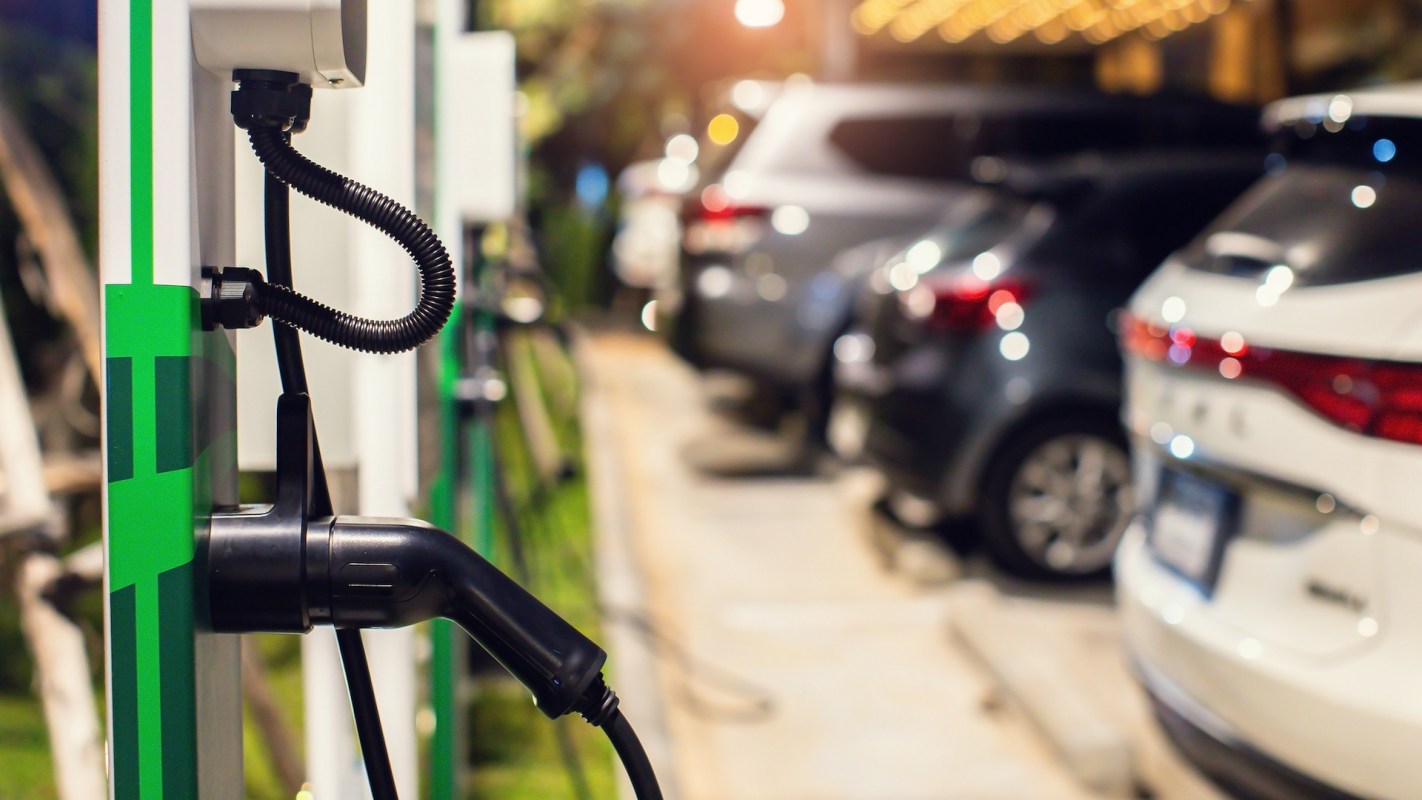
America's effort to build a dependable electric vehicle charging network is lagging, even as drivers look to avoid high prices at the gas pump. A new Sierra Club report found that 96% of the federal funding set aside in 2021 and 2022 to expand EV charging nationwide remains in the government's coffers.
What's happening?
Of the 96%, not all of the money is sitting there vacant, as Scripps News noted. About one-third of it is "obligated," per the report. That means it is earmarked for specific projects. Still, that leaves around 65% of the overall funding undeployed for EV infrastructure projects.
"At a time when both state and household budgets are stretched thin, governors can't afford to leave this funding on the table," Katherine García, director of the Clean Transportation for All campaign at the Sierra Club, told Scripps News.
The Sierra Club cited federal policy shifts as a hurdle. The Trump administration added an obstacle to the rollout by insisting that chargers paid for through the program be entirely American-made. That followed a ploy to temporarily freeze funding in February 2025, which states were able to get overturned in court.
"The Trump administration has done everything it can to stop states from accessing these funds as Congress intended, yet we've still seen progress accelerate," Josh Stebbins, an author of the report, declared to Scripps News.
Indeed, the report notes that 18,000 additional public fast chargers entered service in 2025, which is the highest annual number yet.
TCD Picks » Quince Spotlight
💡These best-sellers from Quince deliver affordable, sustainable luxury for all




Why does it matter?
The slow rollout of investment in EV infrastructure raises legitimate concerns that communities could miss out on cleaner transportation, lower fuel costs, and job growth. It could make it harder for Americans to switch to cleaner vehicles, especially people who live in apartments, don't have access to home charging, or regularly drive long distances.
EVs offer a wide variety of advantages over gas-powered vehicles. Studies show that they cut down on air pollution, including dangerous gases, and lead to healthier air. When paired with clean energy sources like solar and wind, they can reduce collective reliance on energy sources like oil that contribute to record heat and extreme weather events.
For consumers, EVs can offer benefits such as lower maintenance and fuel costs, particularly if they charge at home. But if the public charging network remains patchy, some consumers may decide the transition feels too uncertain because of range anxiety.
What's being done?
The Sierra Club's report is important in shedding light on a problem that needs to be addressed. Earlier this year, Transportation Secretary Sean Duffy defended the administration's handling of the funding, per Scripps News.
"We're ensuring that if Congress wants to see these chargers built, we put America first," Duffy insisted. "Doing so will unleash American manufacturing, protect our national security, and prevent taxpayer dollars from subsidizing foreign adversaries."
Considering that states took the administration to court over the spending freeze, it seems there's more than a healthy appetite to put the money to work.
"We all benefit when states spend their federal transportation funding to improve transportation infrastructure, create good jobs, and deliver climate progress," García concluded to Scripps News.

Get TCD's free newsletters for easy tips, smart advice, and a chance to earn $5,000 toward home upgrades. To see more stories like this one, change your Google preferences here.






