


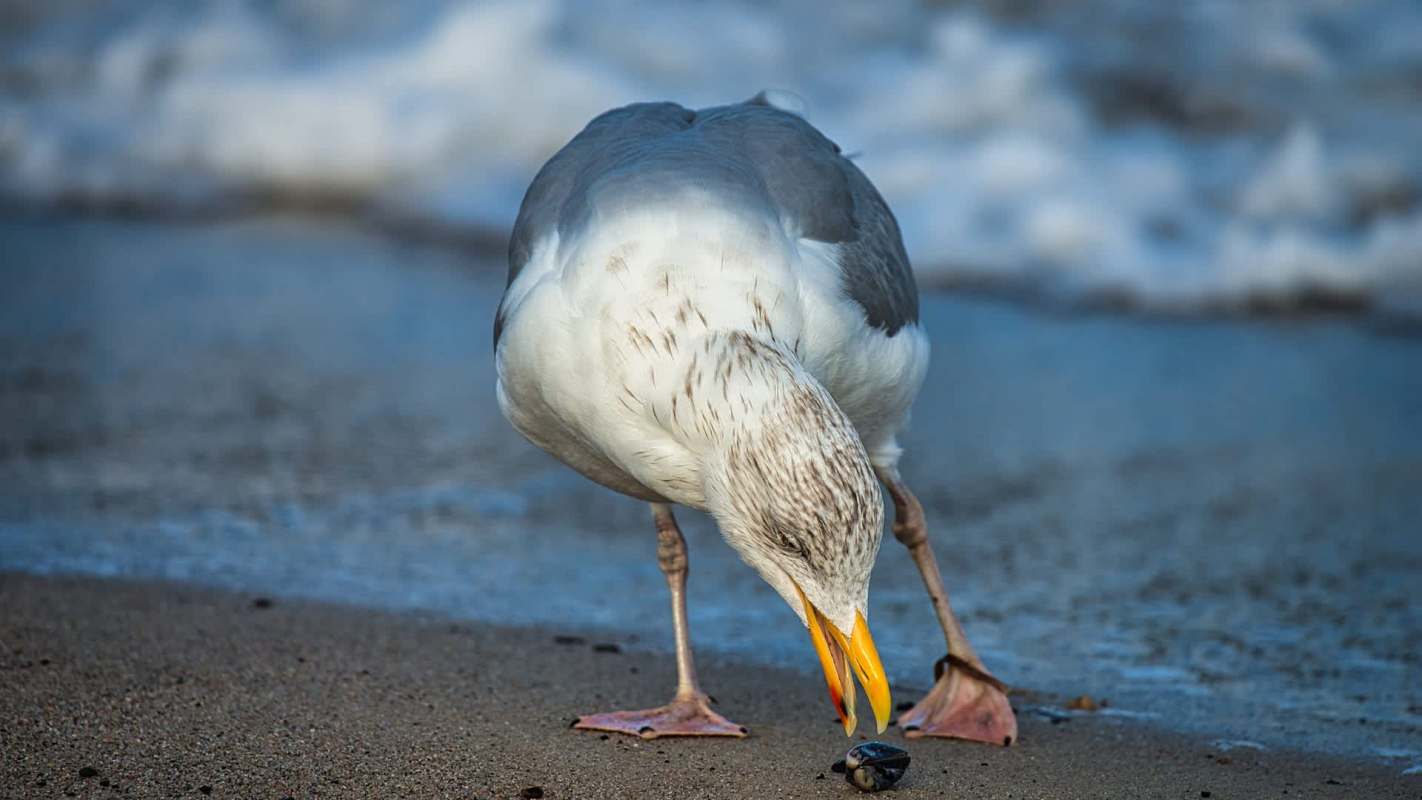
Starving seabirds are washing up along Southern California's coastline as unusually warm ocean water pushes their prey deeper and farther offshore.
Rescuers and researchers say emaciated pelicans, cormorants, murres, and gulls are appearing on beaches in rising numbers — a stark sign that the nearshore food web many coastal communities rely on is under growing strain.
What's happening?
Wildlife experts say a marine heatwave is making it far more difficult for seabirds to find fish close to shore, according to Times of San Diego.
In San Diego, rescuers say birds arriving at rehabilitation facilities are severely underweight, dehydrated, and lethargic.
Jeni Smith, rescue supervisor at SeaWorld, said the number of cases is much higher than in the past, turning the response into an "all hands on deck" effort. Many of those birds have tested negative for avian flu, suggesting starvation as the primary cause.
The problem has been unfolding for months.
TCD Picks » Quince Spotlight
💡These best-sellers from Quince deliver affordable, sustainable luxury for all




Dead birds have been reported on beaches across Southern California, while some live seabirds have been found stranded on land despite being poorly suited to remain there. Species that depend on fish near the surface and close to shore appear to be among the hardest hit. A similar phenomenon is happening to seabirds in Alaska.
Scientists say warm water is the main reason. As ocean temperatures rise, fish often move into cooler, deeper water or farther offshore. Philip Unitt of the San Diego Natural History Museum said that the unusually warm water has pushed fish deeper than the birds can reach, Times of San Diego reported.
Federal scientists at the National Oceanic and Atmospheric Administration have been tracking elevated ocean temperatures since last summer, and researchers at Scripps Institution of Oceanography have recorded record-high water temperatures at their La Jolla station this year.
At the same time, an El Niño pattern is expected to develop in the coming months and, according to Times, could further weaken the upwelling that usually brings cold, nutrient-rich water toward the surface.
Why is this concerning?
It's a broader warning sign that the ocean system supporting birds, fish, and coastal communities is being disrupted.
Under more typical conditions, winds move surface water away from shore and allow colder, nutrient-rich water from below to well up. That process, known as upwelling, drives plankton blooms that feed small fish near the surface. Those fish, in turn, support seabirds and larger marine animals.
During marine heatwaves, that cycle weakens. As described in Times of San Diego, warmer surface water can act like a cap, limiting the rise of nutrient-rich water. The result is less plankton, fish shifting deeper or farther offshore, and more stress on animals higher in the food chain.
If these patterns continue, beachgoers may see more stranded birds, rescue centers could come under even more strain, and native species may have a harder time recovering between crises. That slows progress toward healthier coasts and a safer future for the communities that live, work, and spend time there.
What's being done about seabird strandings?
Researchers across California are sharing data and conducting regular beach surveys to track the scale of the die-off. Wildlife rehabilitation groups are continuing to rescue, treat, and monitor, even though recovery can be slow for birds that have gone weeks without enough food.
If you see a struggling seabird, report it to local rescue professionals rather than trying to handle it yourself.
Support for rehabilitation centers, marine monitoring programs, and coastal research is also critical as these events become more common.

Get TCD's free newsletters for easy tips, smart advice, and a chance to earn $5,000 toward home upgrades. To see more stories like this one, change your Google preferences here.







