


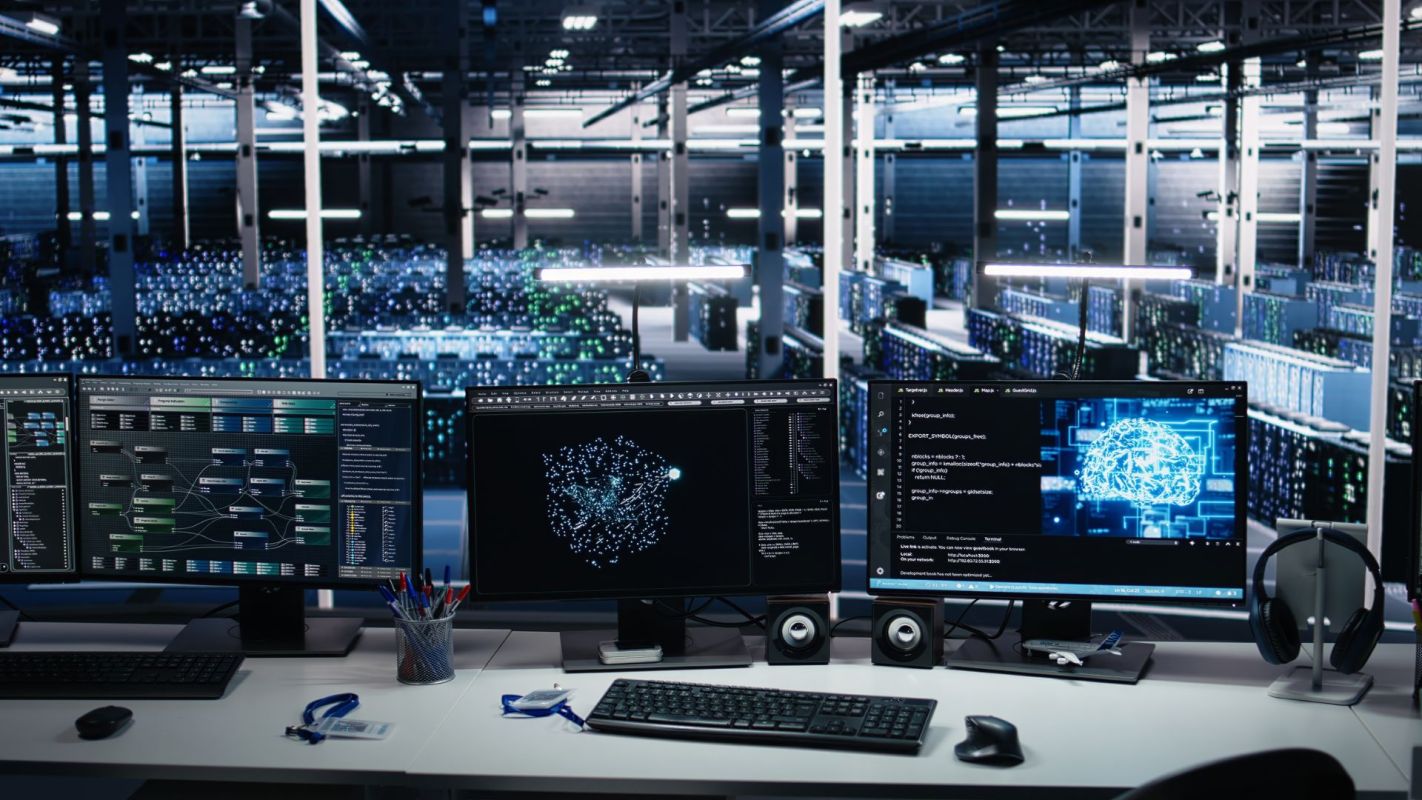
Data centers are emerging as a flashpoint in Illinois as the artificial intelligence boom drives a wave of new projects.
While they promise tax revenue and development, they also raise concerns about noise, water use, and strain on the energy grid.
In some communities, these massive server facilities are being welcomed as economic lifelines. In others, local officials say the tradeoffs are becoming harder to ignore.
What's happening?
According to SJO Daily, Illinois lawmakers are still weighing how to respond to the rapid growth of data centers.
Developers say the facilities bring construction spending, jobs, and long-term tax revenue. Critics counter that while revenue from property taxes may be beneficial, the biggest projects can use city-scale amounts of electricity and water while producing far fewer permanent jobs than many residents expect.
The scale of the issue is growing fast. Earlier this year, ComEd official Max Leichtman told lawmakers that if the utility's pipeline of large energy-hungry projects all move ahead, power demand in ComEd's service territory could be more than twice today's peak by 2040, per SJO Daily. That growth is comparable to about 120 years of buildup.
TCD Picks » Quince Spotlight
💡These best-sellers from Quince deliver affordable, sustainable luxury for all




Still, some communities say the tax benefits are worth it. In Sangamon County, SJO Daily reported that an approved CyrusOne data center is projected to bring $500 million in capital investment and about $5 to $6 million in property taxes each year, as well $98 million in further tax revenue over two decades.
In Joliet, officials estimate that a planned 795-acre data center campus could bring in about $310 million in property taxes over 30 years, plus another $40 million in utility taxes.
In DeKalb, Mayor Cohen Barnes said Meta's existing data center has become one of the city's biggest economic drivers. Property tax records show that Goldframe LLC, a Meta subsidiary, paid $48.5 million across three sites from 2021 through 2024, per SJO Daily.
Barnes said the revenue has supported city services and public schools, with more than 60% of the tax revenue from those properties going to the local school district. He said that helped support the construction of a new elementary school that opened in 2025.
But not every local leader is persuaded. Aurora Mayor John Laesch told lawmakers that the city's five operating data centers bring in about $1.6 million annually in property and utility taxes, but that revenue doesn't outweigh the concerns residents have raised about persistent low-level noise from newer facilities and the potential for grid strain.
Why is this important?
Data centers sit at the intersection of two major trends: the AI boom and growing pressure on energy and freshwater systems.
AI has the potential to deliver real benefits. It can help utilities better manage electricity demand, improve clean-energy forecasting, accelerate scientific research, and make sectors from transportation to manufacturing more efficient. But all of that computing power has to come from somewhere, while significant amounts of water are needed for cooling.
That creates a difficult tradeoff. When new AI-focused facilities connect to grids that are already under strain, communities can face higher energy costs, infrastructure bottlenecks, more pollution from backup power or burning fuel, and increased water demand. There are also broader concerns about AI misuse, cybersecurity, and whether the public is getting enough value in return for the resources these projects consume.
There are also quality-of-life concerns. Residents living near some sites have complained about constant humming noise, vibration, wastewater handling, and the possibility that communities will bear the costs if electricity demand outpaces infrastructure upgrades.
In other words, these facilities may help power the digital economy, but they can also shift real costs onto the people who live nearby.
What's being done about data centers?
Some local and state leaders are pushing for tougher rules before more projects move forward.
In March, Aurora approved ordinances that require future data center developers to study and disclose projected noise, water consumption, and energy demand. New facilities in the city will also need to follow standards on noise, vibrations, water and energy use, and obtain electricity from renewable sources, according to SJO Daily.
For residents, one of the most important steps is paying attention to local planning and utility decisions. Public hearings, zoning meetings, and state legislation can all shape whether new data centers are built with stronger neighborhood protections, cleaner power sources, and clearer community benefits.
Supporting grid upgrades and expanded renewable energy can also help ensure that rising digital demand does not simply shift costs and pollution onto households.

Get TCD's free newsletters for easy tips, smart advice, and a chance to earn $5,000 toward home upgrades. To see more stories like this one, change your Google preferences here.






