


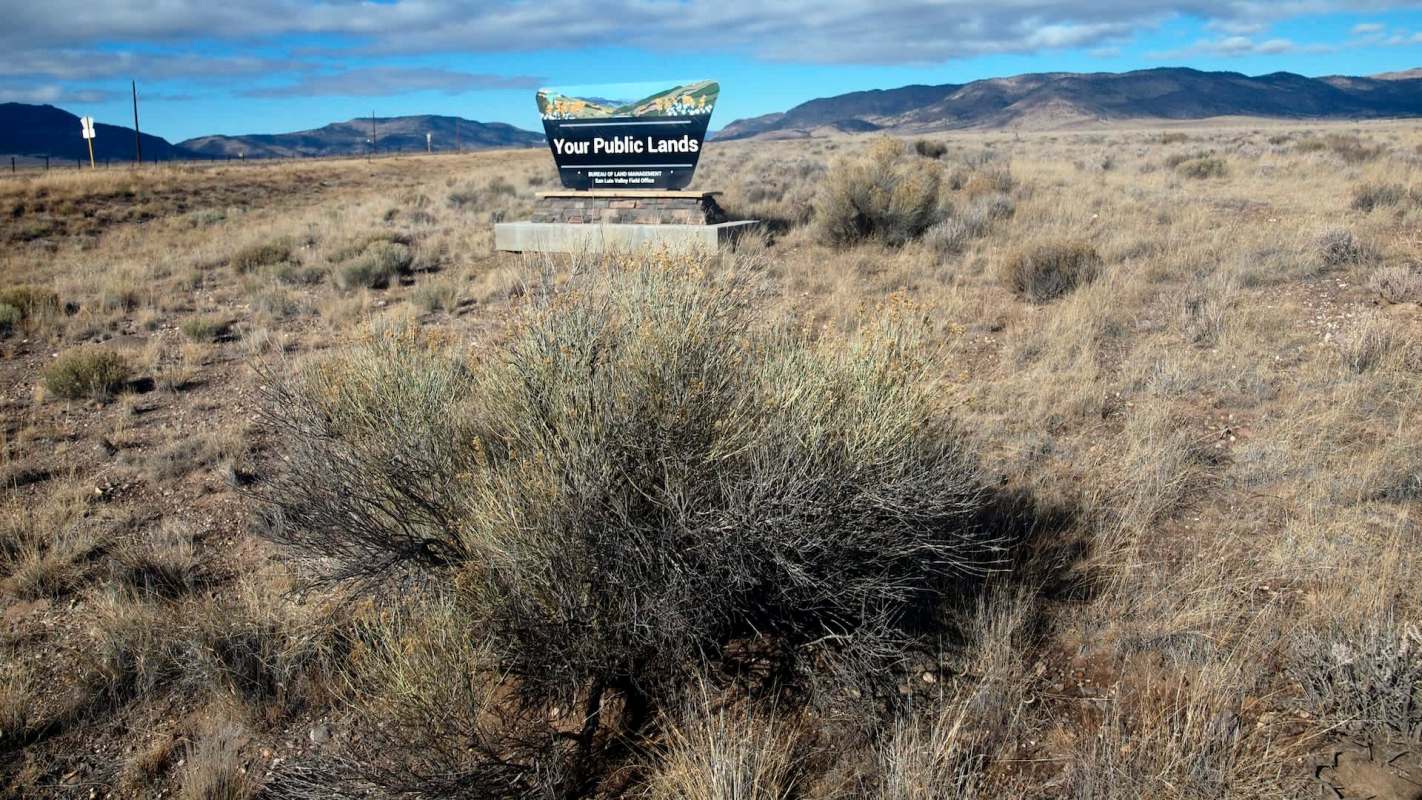
The Interior Department is rolling back a Biden-era public lands rule that treated conservation as a legitimate use of federal land alongside drilling, mining, logging, and grazing — a move critics say could leave millions of acres more vulnerable to industrial development.
What happened?
According to the Associated Press, the Trump administration rescinded a 2024 Bureau of Land Management rule that elevated conservation alongside development on public lands.
The goal was to reshape how the BLM manages the roughly 10% of U.S. land under its control. It created a clear process for conservation and restoration leases, allowing public lands to be leased for habitat recovery and restoration work in a way comparable to how companies lease land for extraction.
In documents released Monday, officials argued the policy exceeded the bureau's authority by allowing outside groups to obtain conservation leases. The repeal is scheduled to take effect 30 days after publication in the Federal Register.
Interior Secretary Doug Burgum said the rule could have restricted access to hundreds of thousands of acres and harmed the timber industry, energy development, and livestock grazing.
Industry groups welcomed the decision.
TCD Picks » Quince Spotlight
💡These best-sellers from Quince deliver affordable, sustainable luxury for all




"This action provides greater clarity and predictability for independent oil and natural gas producers — many of whom rely on consistent permitting and leasing processes to operate efficiently and invest in domestic energy supply," Dan Naatz of the Independent Petroleum Association of America said in a statement.
Conservation advocates, however, say the rollback moves federal land policy in the opposite direction.
Bobby McEnaney of the Natural Resources Defense Council told the AP that repealing the rule means "less protection for the clean drinking water, less protection for endangered wildlife that depend on healthy habitat, and less accountability when corporations leave these landscapes damaged and degraded."
Why is this rollback concerning?
Public lands are far more than undeveloped spaces waiting to be used. These landscapes support drinking water supplies, wildlife migration routes, hunting and fishing, cultural resources, and outdoor recreation economies that many rural communities rely on.
When conservation carries less weight in federal land decisions, short-term industrial use can outweigh long-term environmental and public interests. That can lead to habitat fragmentation, pollution from drilling and mining, strain on water supplies, and difficulty restoring damaged ecosystems.
The impacts extend beyond wildlife. Communities near extraction sites can face degraded air and water quality, while towns dependent on tourism and recreation may suffer if landscapes are overdeveloped.
There is also a broader climate concern. Expanding oil, gas, and coal development on federal land can increase planet-warming pollution at a time when scientists continue to urge rapid emissions reductions to avoid further worsening droughts, wildfires, and other extreme weather.
The BLM's influence is extensive. Beyond its surface holdings, the agency oversees underground mineral reserves spanning over 1 million square miles, meaning changes to its policies can affect communities and ecosystems across much of the West.
What's being done about public lands?
Even with the rollback, conservation work on public lands continues through states, tribes, nonprofits, hunters and anglers groups, and local stewardship organizations that work to restore habitat and protect watersheds.
Residents can participate by following BLM land-use planning decisions, submitting public comments on major development proposals, and supporting organizations focused on protecting public lands.

Get TCD's free newsletters for easy tips, smart advice, and a chance to earn $5,000 toward home upgrades. To see more stories like this one, change your Google preferences here.






