


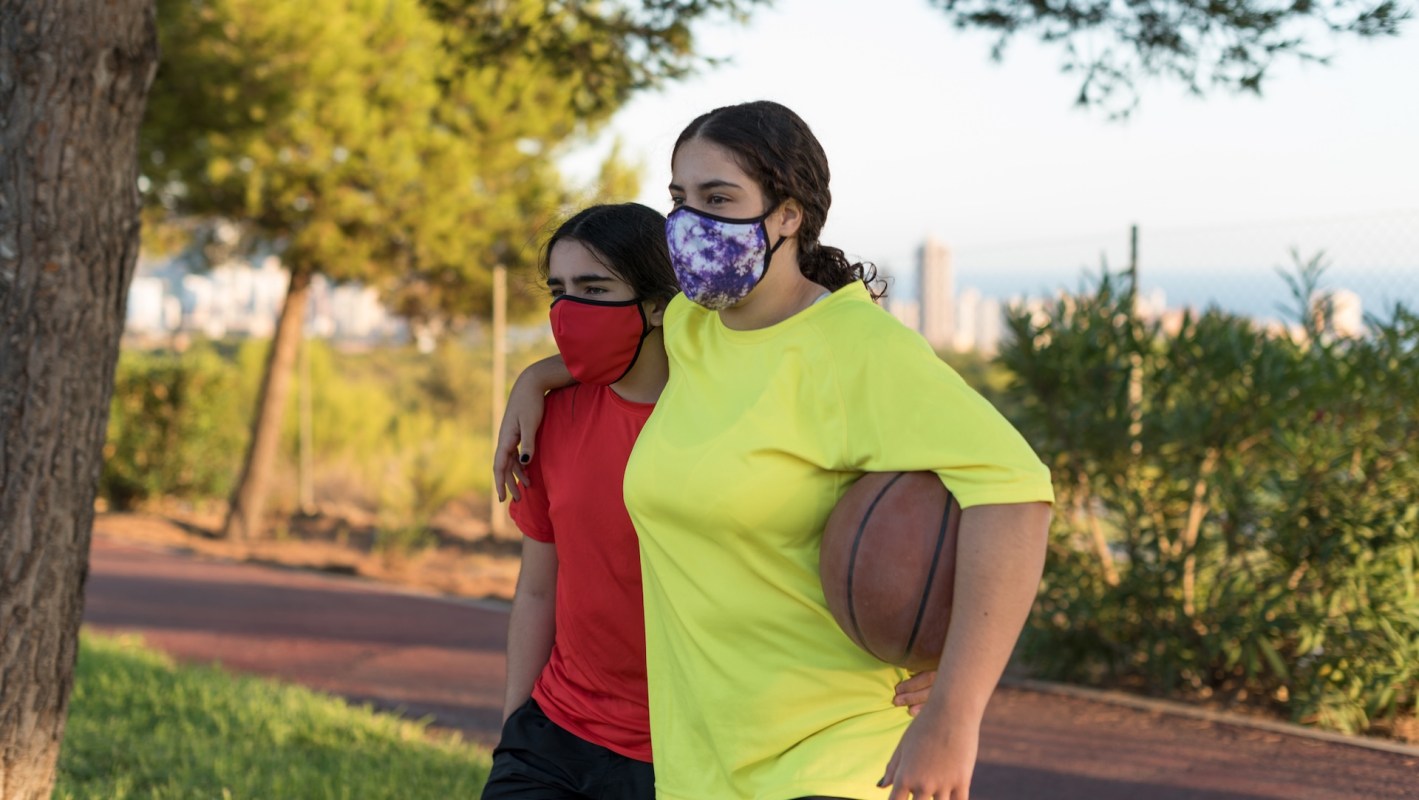
Air pollution is becoming a growing threat for people who play sports, and scientists say young athletes may need extra protection, including face masks in some situations, when they train or compete outdoors.
A recent study reviewed how air quality and pollution affect people while they exercise. Experts found that athletes can inhale far more pollution than the general population because they breathe faster and deeper during physical activity. That increases the amount of harmful particles and gases reaching their lungs.
The study also cited some crucial numbers from the World Health Organization. Air pollution is linked to an estimated 7 million deaths worldwide each year and nearly $4 trillion in annual economic losses.
Fine particle pollution, known as PM2.5, is one of the biggest concerns because these tiny particles can travel deep into people's lungs and enter the bloodstream. The review noted that, according to the WHO, nearly all of the world's population lives in places above PM2.5 guidelines.
The research, published in the peer-reviewed journal Current Sports Medicine Reports, found that the "use of face masks for particle filtration may mitigate particle-associated exposures to air pollution. [But] their effectiveness is highly variable on the specific pollution, the type of filter, proper use, and individual fit."
And while the study noted that "guidelines exist for high schools and college organizations to monitor air quality, … this information relies on fixed monitoring stations that are generalized for a larger area and therefore may have limitations for individual use and interpretations."
TCD Picks » Quince Spotlight
💡These best-sellers from Quince deliver affordable, sustainable luxury for all




Masking is one strategy of many that can protect young athletes from breathing in pollution. Moving indoors can be effective at avoiding outdoor air pollutants. But it's an imperfect solution, as sports facilities can have their own pollution sources, including cleaning chemicals, dust, mold, fuel-powered equipment, and chlorine byproducts in pools.
Holding practices and events during the early mornings is a clever strategy because traffic-related pollution and ozone can be worse later in the day. Moving practices farther from traffic corridors or even rescheduling them when air quality is especially bad can help too.
For families and coaches, masks may be worth considering when particle pollution is high, particularly before competition or exercise. Masking is a relatively low-cost, low-risk intervention tool to help athletes, even though more exercise-specific studies are still needed. Air quality maps can also help people determine if exercising outside on a given day is a healthy choice.

Get TCD's free newsletters for easy tips, smart advice, and a chance to earn $5,000 toward home upgrades. To see more stories like this one, change your Google preferences here.







