


A new surcharge for foreign tourists visiting 11 United States national parks is raising alarms as the summer travel season ramps up.
Park leaders say the added revenue could help cover needed repairs and day-to-day operations. But travel groups and local tourism businesses warn that the sudden increase — and the confusing way it has been introduced — could hurt communities that depend on visitors from around the world.
What's happening?
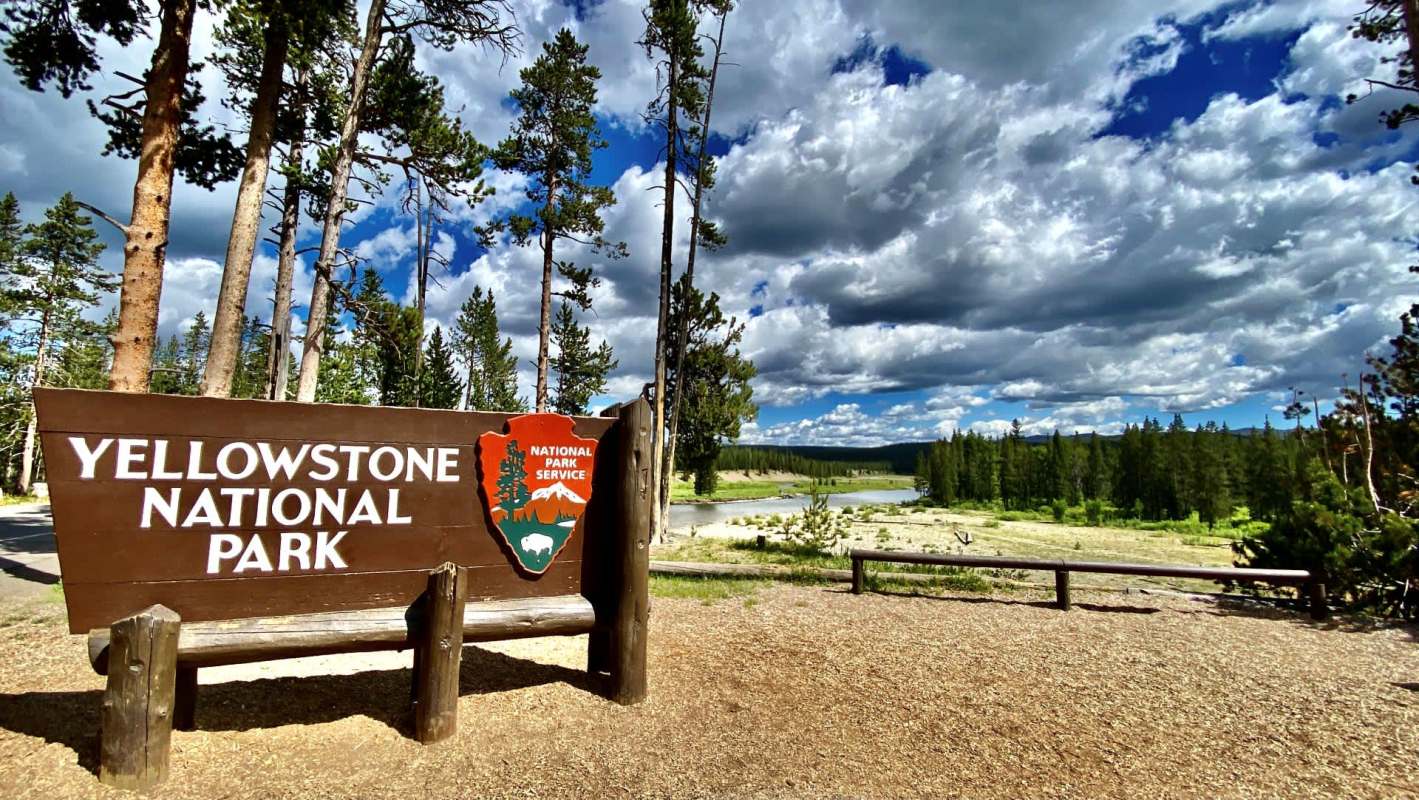
This year, the National Park Service began charging many international visitors an extra $100 per person at 11 heavily visited U.S. parks — including Yellowstone and Grand Teton — according to WyoFile.
The change came after a Trump administration order directing parks to raise fees for nonresidents. Detailed prices were released in November, and the policy began Jan. 1, giving tour operators only a short window to adapt.
As WyoFile detailed, the basic seven-day entry fee is still $35 per vehicle at Yellowstone or Grand Teton. But a vehicle with four foreign visitors ages 16 or older can now face a total charge of $435. The annual America the Beautiful pass, once $80 for everyone, is now $250 for foreign visitors.
The change led to "sticker shock," according to Lisa Simon, CEO and executive director of the International Inbound Travel Association.
TCD Picks » Quince Spotlight
💡These best-sellers from Quince deliver affordable, sustainable luxury for all




Some travelers were not heavily affected by the new system, especially if they had purchased passes online or at another park. But tour operators say the rollout has been uneven.
Even so, the fee is already generating money. According to park figures WyoFile cited by the Jackson Hole News&Guide, from Jan. 1 through May 4, Grand Teton sold 253 annual passes to foreign visitors for more than $60,000 in revenue, plus 102 per-person foreign passes that brought in more than $10,000.
Superintendents at both Yellowstone and Grand Teton have publicly backed the higher fees.
"This is something that should have happened a long time ago, so I really support the decision," Yellowstone superintendent Cam Sholly told the Cody Enterprise, according to WyoFile.
Sholly said about 20% of the park's visitors are foreign. Because the park keeps 80% of the revenue, it could help infrastructure, staffing, and maintenance — all of which have suffered due to recent park cuts.
Why does the fee matter?
Yellowstone and Grand Teton are major economic drivers for surrounding communities. Hotels, restaurants, outfitters, shuttle services, guides, and other small businesses in places like Jackson and Cody rely on park visitors — including international travelers who often book multi-park trips far in advance.
When fees jump suddenly, the burden does not fall only on tourists. As Simon told WyoFile, tour operators in some countries are left absorbing the extra cost because consumer-protection laws can prevent companies from adding charges after a trip has already been sold. That can squeeze margins, disrupt planning, and make future tours harder to offer.
Research cited by supporters of the surcharge suggests many international visitors will keep coming anyway. But even if overall visitation stays strong, short-term disruption can still ripple through local economies.
And if future travelers begin to see America's best-known parks as harder to access or less predictable to plan around, that could undercut the kind of sustainable tourism model many communities are trying to build.
What's being done about this policy?
For now, park leaders are focusing on the benefits: more fee revenue for repairs, staffing, and operational needs.
Staff across the 11 affected parks are also sharing information as problems surface, as Grand Teton superintendent Chip Jenkins told the Cody Enterprise, according to WyoFile. Simon told WyoFile the National Park Service has been working on a better way to handle advance pass purchases before peak travel periods.
At the same time, some advocates are pushing to pause or revise the policy until implementation becomes more consistent.
For travelers, one practical step is to buy passes in advance and check the latest rules before arriving.

Get TCD's free newsletters for easy tips, smart advice, and a chance to earn $5,000 toward home upgrades. To see more stories like this one, change your Google preferences here.






