


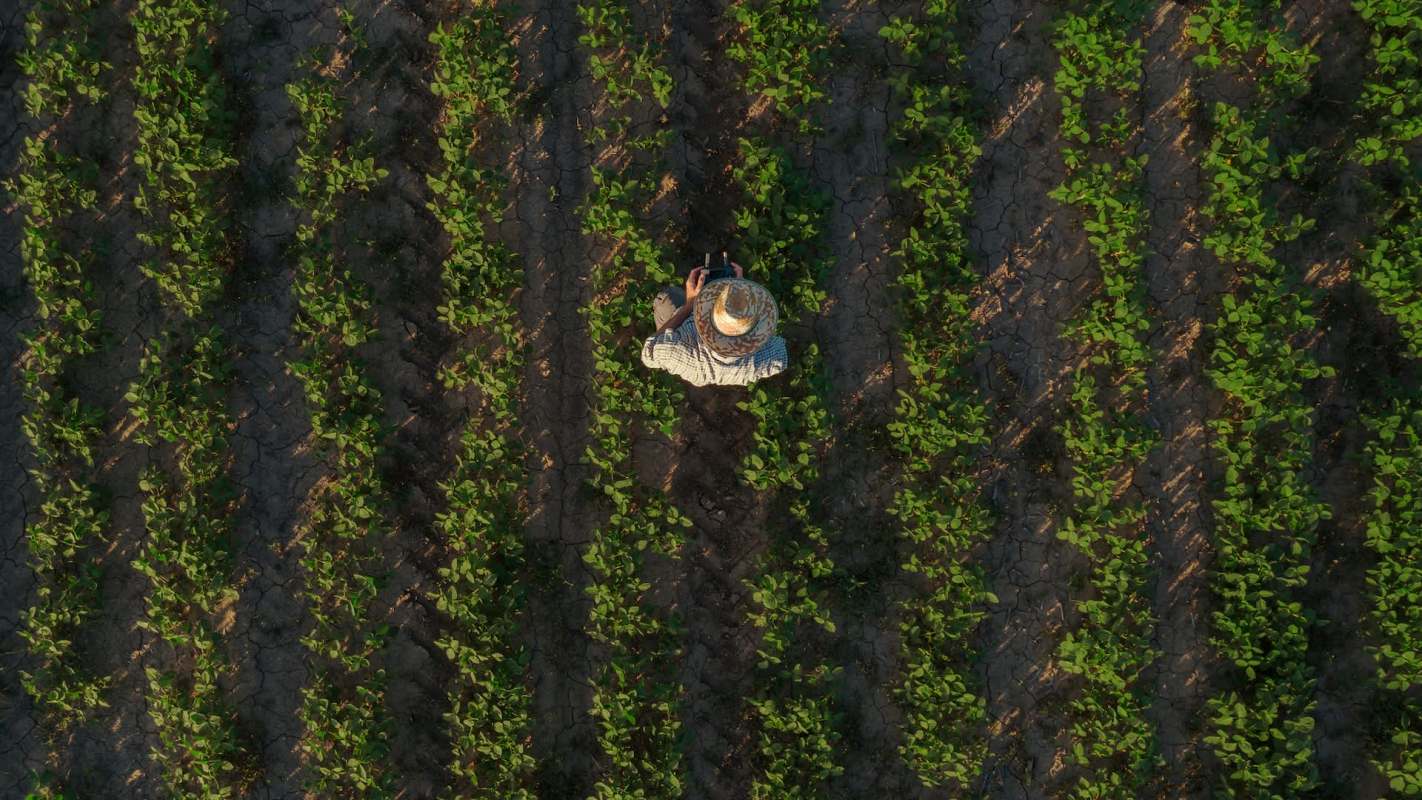
Bolivia is quickly becoming a deforestation hotspot, and researchers say Mennonite soy farmers are helping drive that trend. New data shows the country is losing vast areas of primary forest as ranching, industrial agriculture, and wildfires clear land that communities and wildlife rely on.
What's happening?
According to Vox, a new University of Maryland and World Resources Institute analysis found that Bolivia lost 1.5 million acres of primary forest in 2025. That was the second-highest total in the world after Brazil and nearly the size of Delaware.
Much of the destruction is unfolding in ecologically important regions such as the Amazon rainforest and the Chiquitano dry forests. These landscapes support rare wildlife, including species such as the maned wolf, while also storing enormous amounts of carbon in trees.
As in many tropical countries, cattle ranching and soy production are the main forces behind the loss. Forested land is often cheaper to buy and clear than existing pasture, and Bolivia's land policies have long encouraged owners to prove land is being used "productively" — often by turning forest into ranchland.
What makes Bolivia's case stand out is who is responsible for a notable share of the soy expansion. Researchers say Mennonite colonies, which have become a major force in the country's agricultural economy, account for a significant portion of soy-related forest clearing.
Studies cited by Vox found Mennonite farmers produced roughly 20% to 40% of Bolivia's soy in recent decades, and researchers estimate they were responsible for nearly a quarter of the country's soy-driven deforestation over the last 20 years.
TCD Picks » Quince Spotlight
💡These best-sellers from Quince deliver affordable, sustainable luxury for all




That does not mean Mennonite farmers are uniquely destructive compared with other industrial soy producers. The broader problem is that forest clearing is built into the expansion model itself, and government policy has helped make it possible through weak enforcement and incentives for mechanized agriculture.
Why is Bolivia's forest loss concerning?
When primary forests are cut or burned, huge stores of carbon are released into the atmosphere, intensifying global warming. In Bolivia, where hotter and drier conditions are helping flames move faster, land-clearing fires can escape intended areas and destroy even more forest.
That creates a dangerous cycle for nearby communities.
There is also a global supply-chain connection. Soy grown in Bolivia helps meet international demand for livestock feed and soybean oil, meaning consumers far beyond South America are linked to the damage. In other words, tropical deforestation is not only a local land-use issue — it is tied to the broader food system, especially meat production.
What's being done about Bolivia's forest loss?
There are signs that policy can make a difference.
According to the cited World Resources Institute analysis, Brazil's forest loss fell 42% compared with 2024. Researchers linked that decline to stronger environmental protections and enforcement. Other countries, including Colombia and Malaysia, have also made progress after adopting tougher forest policies.
Drawing on recommendations described in Vox's report, experts say Bolivia could follow a similar path by bolstering environmental agencies, ending permits for farming and ranching in the most sensitive ecosystems, and helping Indigenous communities secure land ownership. Researchers have also urged the country's new government to put nature at the heart of its agenda instead of continuing down a path of extractive depletion.
Cutting back on meat consumption can also reduce demand for soy-based animal feed, one of the pressures driving forest clearing across the tropics.
Bolivia's forests are not only a national treasure. They store carbon and protect biodiversity. If their destruction continues, it will slow progress toward a safer, healthier future for everyone.

Get TCD's free newsletters for easy tips, smart advice, and a chance to earn $5,000 toward home upgrades. To see more stories like this one, change your Google preferences here.







