


A federal judge has allowed parts of a proposed class action to move forward against Florida Crystals, a sugar company accused of using greenwashing to market its products.
The decision means the company will continue to face claims that its branding may have misled shoppers seeking more environmentally conscious goods.
What happened?
In a recent ruling, Magistrate Judge Susan van Keulen declined to throw out all of the claims against Florida Crystals Corporation, which has marketed its sugar with phrases including "Farming to Help Save the Planet" and "our farms help fight climate change and build healthy soil," according to Courthouse News Service.
The lawsuit was filed by Macy Merrell, who said she bought the company's items because she believed they were produced using environmentally beneficial farming practices.
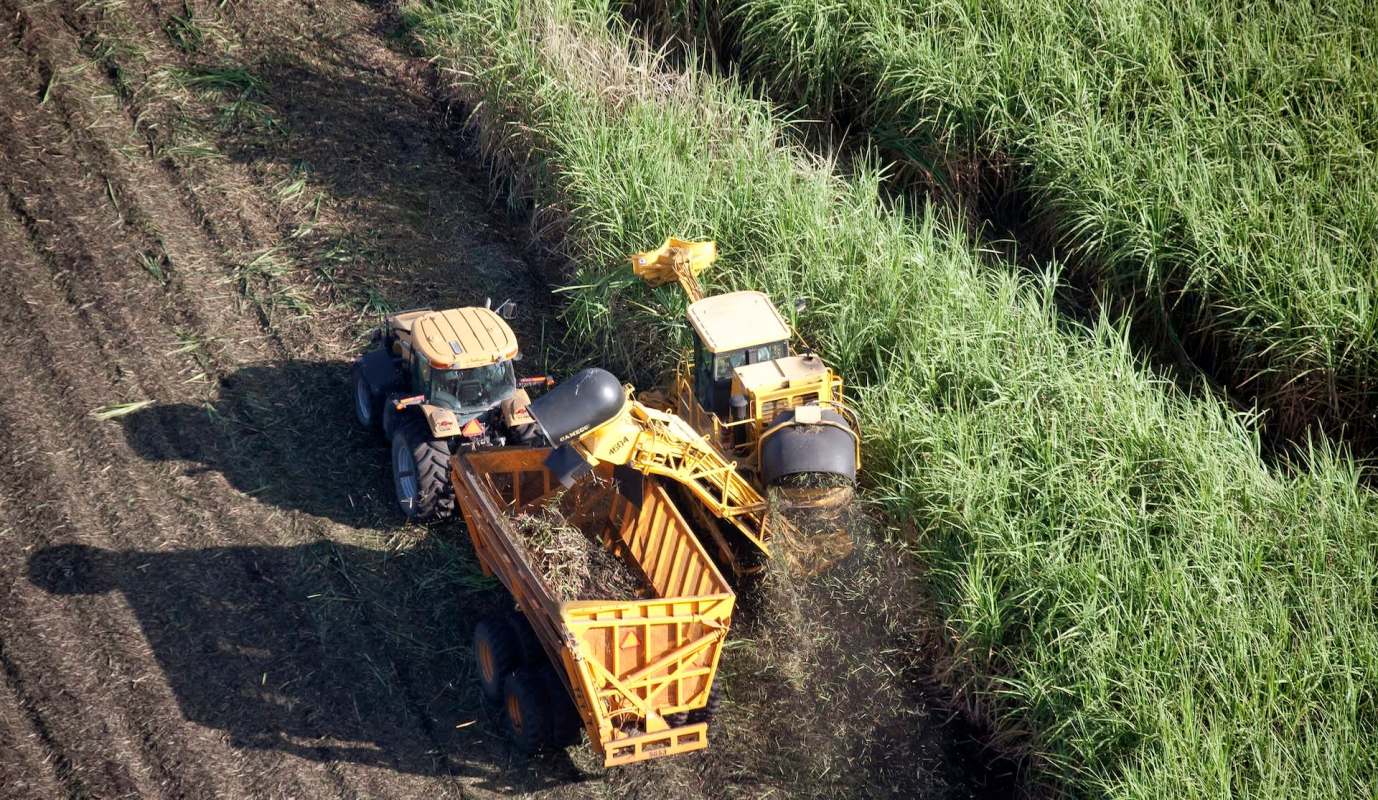
According to the complaint, those claims conflict with harms allegedly tied to the company's Florida operations, including preharvest sugarcane burning, fertilizer runoff, and damage to water flow in the Everglades.
Van Keulen said the plaintiff had enough solid allegations to move forward with the greenwashing portion of the case. She also said the company's packaging, which leans heavily on green imagery, could give shoppers the impression that Florida Crystals actually uses Earth-friendly practices rather than merely endorsing those ideas.
TCD Picks » Quince Spotlight
💡These best-sellers from Quince deliver affordable, sustainable luxury for all




She did dismiss some portions of the case, however, including restitution sought under California's Unfair Competition Law and punitive damages associated with several claims, according to Courthouse News.
Why does it matter?
Many shoppers are trying to spend in ways that reflect their values. When companies market products as climate-friendly or good for the planet, consumers often take those claims seriously and may pay more or choose one brand over another because of them. Greenwashing can make it harder to distinguish between products that are actually less harmful and those that simply appear that way.
If the allegations are accurate, the issue extends beyond confusing labels. The complaint points to farming practices that can affect public health and local ecosystems, including air pollution from cane burning and runoff that may contribute to water pollution.
What's being done about it?
For now, the biggest takeaway is that greenwashing parts of the case are moving forward.
Meanwhile, the early-stage ruling sends a signal to brands: Packaging and other marketing filled with green imagery and sweeping environmental promises may draw scrutiny if underlying business practices tell a different story.
Consumers, meanwhile, can protect themselves by looking beyond labels and slogans to verify specifics. Vague claims such as "eco-friendly" or "planet-saving" are often less meaningful than clear details about farming methods, materials sourcing, or third-party standards.
Accordingly, shoppers can support companies that clearly explain what they do and avoid overstating environmental benefits. When consumers question unsupported claims, it becomes harder for businesses to profit from feel-good marketing alone.

Get TCD's free newsletters for easy tips, smart advice, and a chance to earn $5,000 toward home upgrades. To see more stories like this one, change your Google preferences here.







