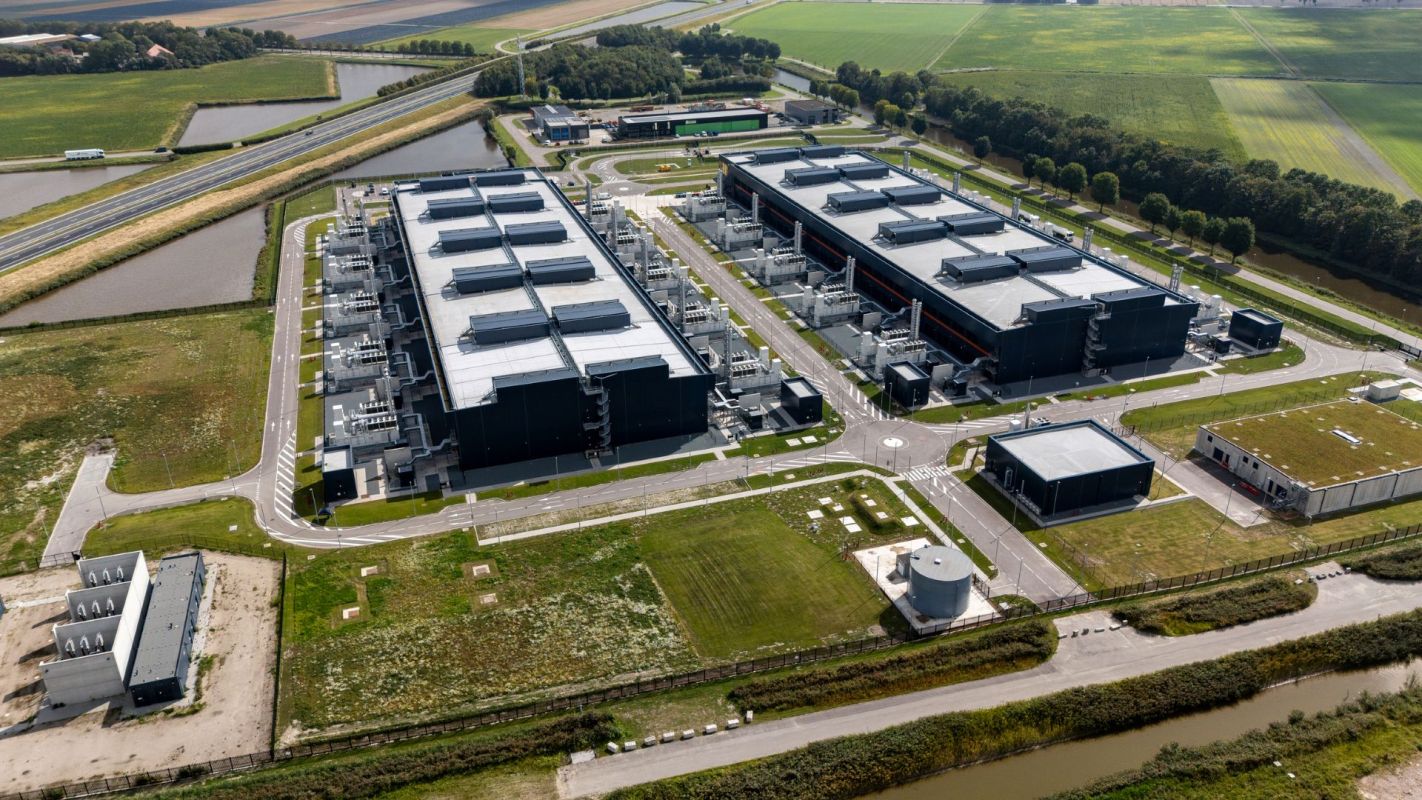
Residents living near some data center projects say the problem is not just soaring power demand — it's the sound. A video on social media highlights the constant, mind-numbing noise surrounding AI infrastructure.
What's happening?
As new data centers spread, communities are increasingly pushing back over noise pollution. According to the Environmental and Energy Study Institute, these facilities can emit both high- and low-frequency noise for hundreds of feet, with sound levels reported at up to 96 decibels nonstop.
A video posted on X demonstrates just how bad the noise is for residents close to these data centers. The post reads, "The sounds you hear living half a mile away from a data center. No one should have to live like this."
The sounds you hear living half a mile away from a Data center.
— conspiracybot (@conspiracyb0t) May 10, 2026
No one should have to live like this. pic.twitter.com/QGg2Y74tTb
Besides the discomfort and disruption caused by loud noises, another major concern is infrasound, or extremely low-frequency sound that people generally cannot hear but may still feel. Its effects are still being studied, but some residents have linked it to headaches, insomnia, nausea, and anxiety. Local governments have cited the issue as they consider moratoriums on new data center development.
Some of the loudest sites may be off-grid facilities that generate their own power using methane gas turbines. Those systems are often likened to jet engines and can make nearby areas sound more like an airport than a neighborhood.
Cooling systems can add to the problem. Because data centers generate enormous amounts of heat, cooling can account for nearly 40% of a site's power use, according to the EESI. Large banks of fans, along with diesel backup generators that can reach 105 decibels, can create another layer of disruptive noise.
TCD Picks » Quince Spotlight
💡These best-sellers from Quince deliver affordable, sustainable luxury for all




Why does it matter?
For people living nearby, this is a quality-of-life issue as much as an infrastructure one. A constant industrial hum, vibration, or intermittent bursts from testing generators can disrupt sleep, increase stress, and lower property values.
The issue also underscores how closely AI is tied to the energy grid. AI tools can help improve forecasting, optimize power systems, and support cleaner energy planning. But the infrastructure behind those tools also requires enormous amounts of electricity and water.
That tension is becoming harder to ignore as developers choose sites near existing infrastructure rather than in more remote areas. While that can speed construction, it can also place large industrial operations much closer to homes.
What can be done?
Some local officials are already responding by slowing or pausing approvals for new projects while they study health, environmental, and neighborhood impacts more closely. Concerns about infrasound are increasingly becoming part of those discussions.
TCD Picks » Quince Spotlight
💡These best-sellers from Quince deliver affordable, sustainable luxury for all
There are also practical ways developers could reduce harm, including stronger setback requirements, better sound barriers, quieter cooling designs, and clearer limits on generator testing hours. Building farther from residential areas would also help, especially since the U.S. has ample open land outside population centers.
For residents, the most realistic step is local engagement. Public hearings, zoning meetings, and permitting reviews are often where communities can push for stronger noise monitoring, transparent operating plans, and enforceable limits before construction begins.

Get TCD's free newsletters for easy tips, smart advice, and a chance to earn $5,000 toward home upgrades. To see more stories like this one, change your Google preferences here.