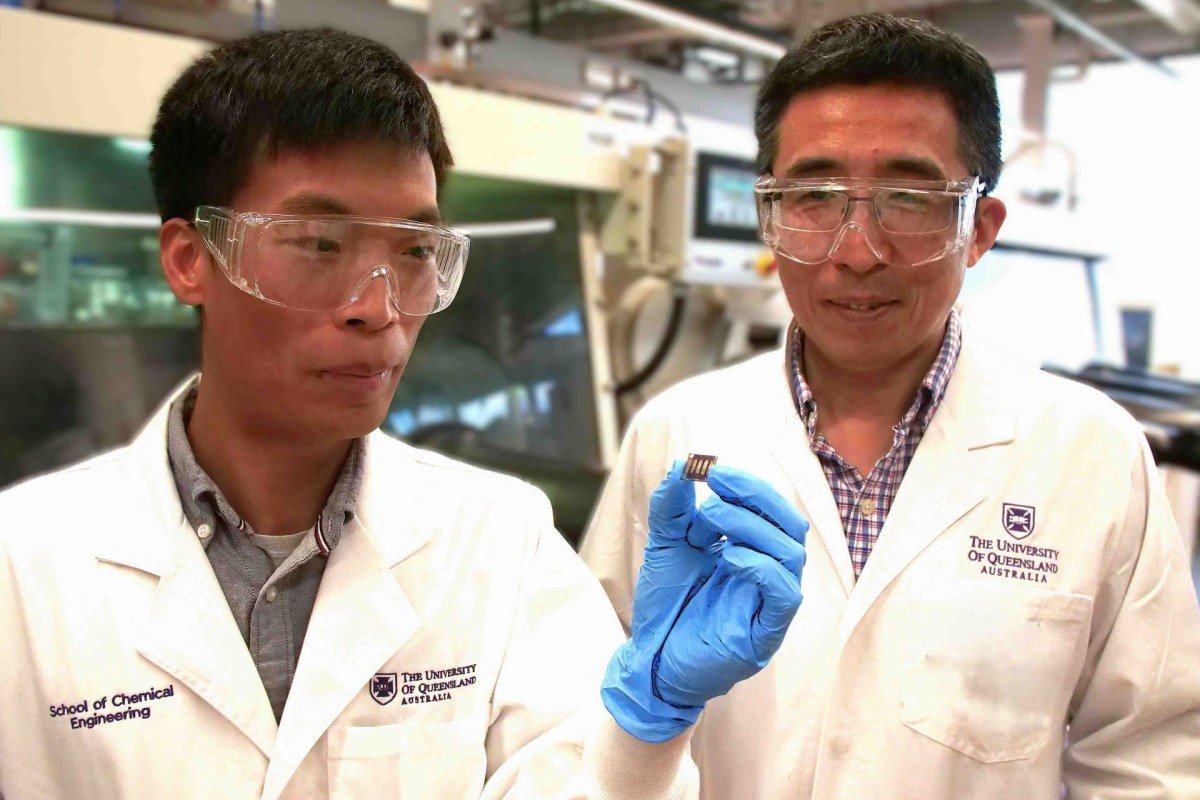
A new indoor solar panel process from researchers at the University of Queensland could make it easier to power small electronics at home and at work without relying on toxic materials or disposable button batteries.
The lead-free design has now passed 16% efficiency, marking a notable step forward for safer solar tech built for indoor light.
According to the University of Queensland, a team of chemical engineers developed a new way to make lead-free perovskite indoor solar cells using a vapor-based process instead of hazardous solvents. The work was led by Ph.D. student Zitong Wang, with guidance from Dr. Miaoqiang Lyu and Professor Lianzhou Wang.
That matters because indoor solar cells are already used for low-power devices, but commercial silicon-based versions typically convert only about 10% of light into electricity, according to Lyu.
The new panels reached 16.36% efficiency, which the researchers said sets a record for this solar cell produced with industry-friendly methods.
Perovskites have long been viewed as a promising alternative to silicon because they can be highly efficient. However, many versions still depend on lead, which has raised safety concerns.
TCD Picks » Quince Spotlight
💡These best-sellers from Quince deliver affordable, sustainable luxury for all




The UQ team said its process removes both lead and toxic solvents while still delivering strong performance. The findings were published in ACS Energy Letters.
This type of solar panel is designed to harvest weak indoor light rather than direct sunshine, making it especially useful for everyday electronics used in homes, offices, and stores.
That includes environmental sensors, wearables, health-monitoring devices, and other small gadgets that do not require much power.
If these devices can run on indoor light, people may not rely on small, coin-sized batteries. That could mean fewer batteries ending up as waste or in children's toys.
The technology could also make products more convenient. Thin, flexible panels that can be made in different shapes are easier to build into electronics.
That opens the door to devices that quietly recharge themselves under normal indoor lighting.
There is also a business case for the technology. Supermarkets testing electronic shelf labels could use this kind of power source to replace thousands of paper price tags while reducing manual labor.
Researchers also designed the panels to be thin and adaptable. Because they can be produced on flexible plastic in a variety of shapes, they could be integrated into a wide range of consumer products, from sensors to shelf labels to health-monitoring devices.
The next major step is improving durability. Lyu said encapsulation, or sealing the panels, will be key to protecting the material from oxygen and moisture before further testing.
"This material has very attractive properties that can absorb indoor light and convert very weak indoor light efficiently into electricity," Dr. Lyu said.
"People will probably see perovskite indoor panels and integrated consumer electronics in the market in the next few years." Dr. Lyu added.

Get TCD's free newsletters for easy tips, smart advice, and a chance to earn $5,000 toward home upgrades. To see more stories like this one, change your Google preferences here.