


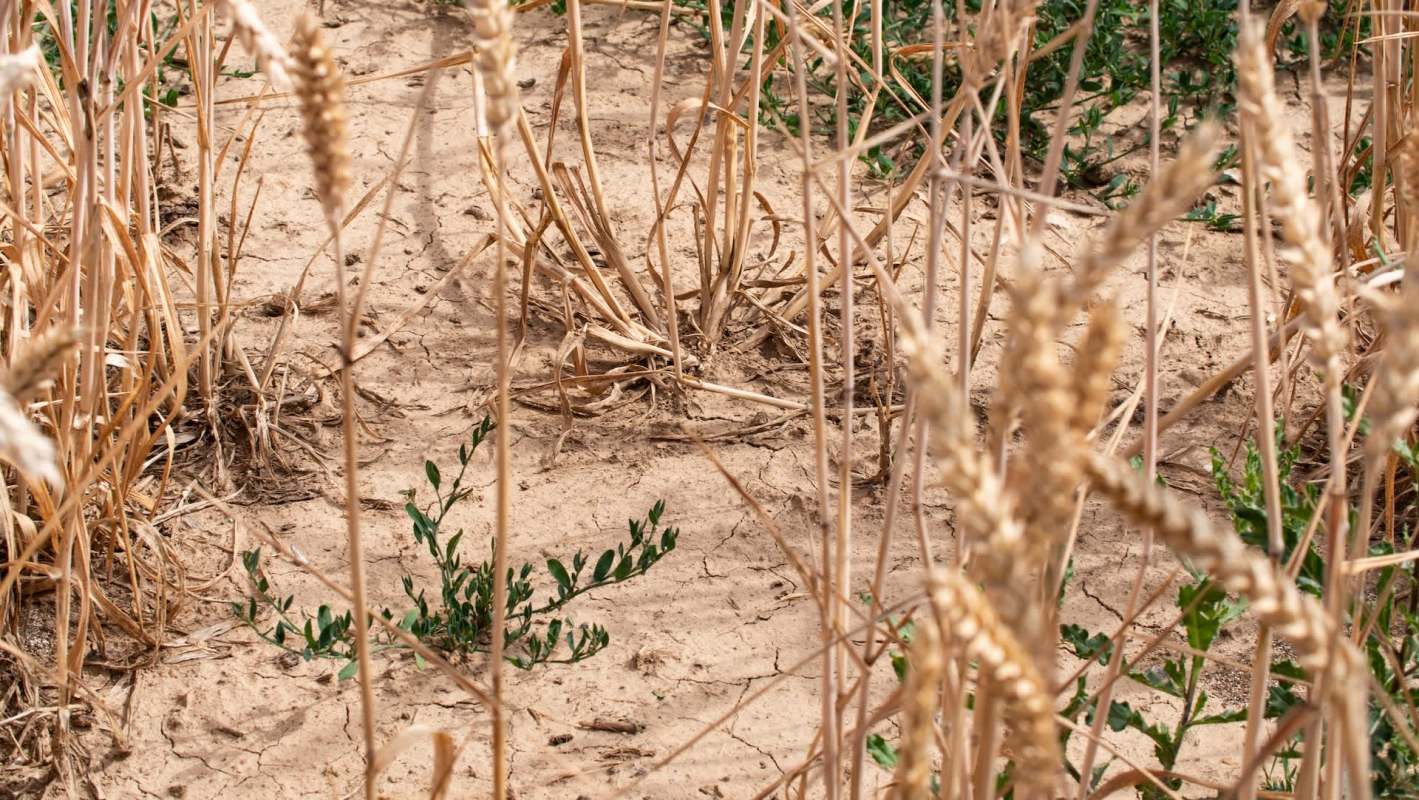
Kansas wheat farmers are heading into one of their most difficult winter wheat seasons in years as unusually warm, dry weather and dramatic temperature swings batter crops across the central and southern Great Plains.
According to The Guardian, a warm, dry winter gave way to volatile spring conditions, with some days reaching highs in the 70s and 80s Fahrenheit while others plunged into the teens and low 20s.
Farmer Merrill Nielsen joked that his wheat "wasn't sure whether or not to have its Bermuda shorts and sunglasses on and bake in the sun … or to have its winter coat on."
After nearly 50 years of farming, Nielsen said this is one of the worst seasons he has experienced. A crop insurance adjuster estimated his fields might yield just two bushels per acre, compared to the usual upper 40s to mid-50s. Nielsen ultimately decided the crop was not worth harvesting.
Other growers are also preparing for steep losses. Ben Palen, a farmer in northeast Kansas, said he expects to harvest only about 30% of his typical organic wheat crop.
"It wasn't just a weird, wonky March. We understand there's something bigger here," said meteorologist Shel Winkley, per The Guardian. "Especially at the peak of the heat in March, we know that those temperatures would be rare or almost virtually impossible at that time of the year in the central Plains, without an influence of climate change."
TCD Picks » Quince Spotlight
💡These best-sellers from Quince deliver affordable, sustainable luxury for all




Kansas is the nation's leading wheat-producing state, and the broader Plains region supplies much of America's hard red winter wheat. When crops struggle here, the effects can ripple far beyond individual farms.
For producers, a failed crop can mean lost income, difficult insurance choices, and another year of financial strain in an industry already facing high costs and weak grain prices.
In southwest Kansas, farmer Vance Ehmke said late-April rain helped stressed plants recover slightly, but not nearly enough.
"That helped a whole bunch, but we're so far behind that it's not even funny now," he said, per The Guardian.
The United States is not in immediate danger of running out of wheat, thanks in part to strong reserves from last year's crop. But repeated seasons like this can erode that buffer while placing greater pressure on food prices, rural economies, and domestic food security.
Farmers are also contending with less predictable rainfall, warmer winters, and crops maturing too early — leaving them especially vulnerable when late freezes strike at the worst possible time.
These conditions are becoming increasingly common as rising temperatures intensify climate variability.
That combination makes it harder for farming communities to plan for the future. It destabilizes food production, weakens rural economies, and creates growing uncertainty for the next generation of farmers.

Get TCD's free newsletters for easy tips, smart advice, and a chance to earn $5,000 toward home upgrades. To see more stories like this one, change your Google preferences here.






