


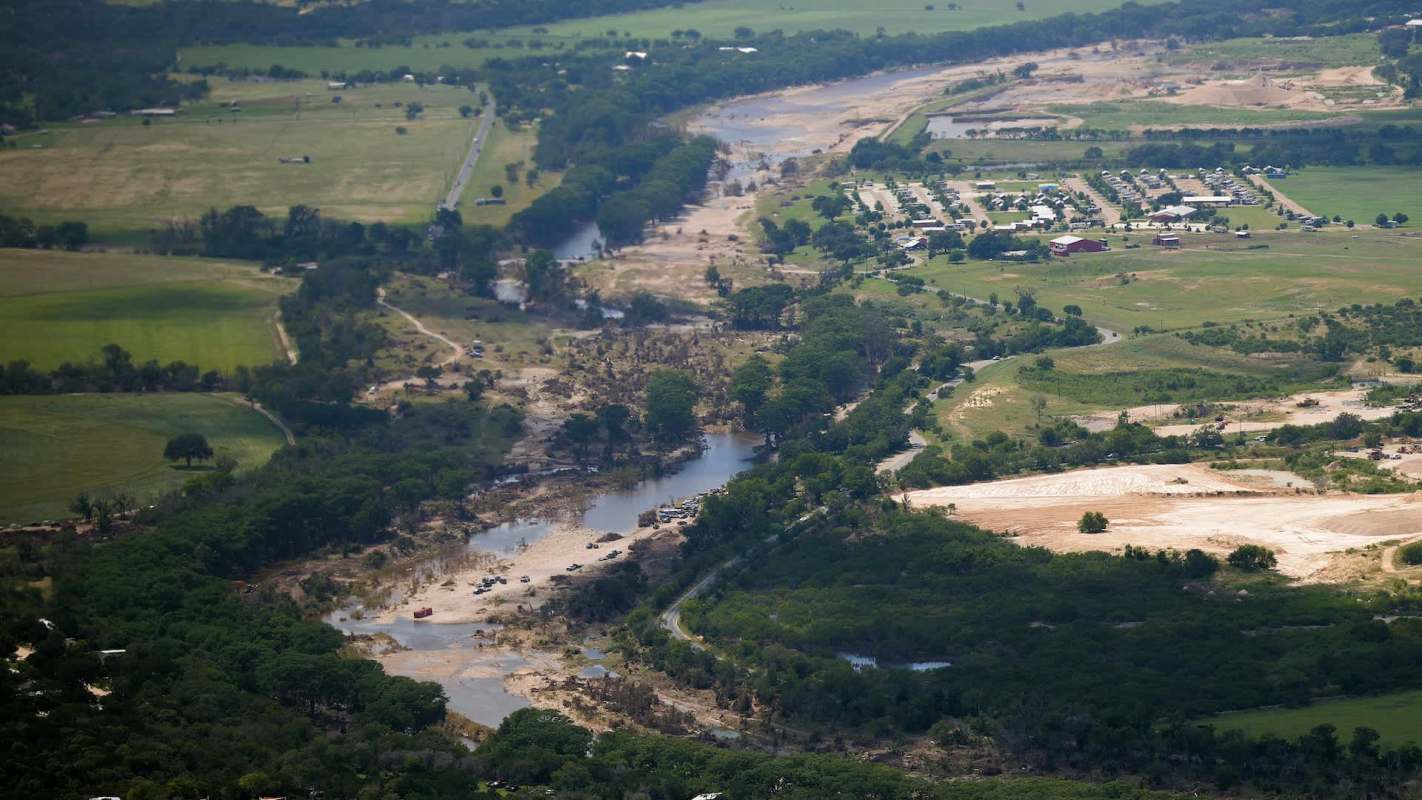
Months after devastating floods tore through the Texas Hill Country, many families are rebuilding in the same places where homes were destroyed and people died.
But according to The Texas Tribune, lawmakers repeatedly rejected flood safety measures over several decades that experts believe could have significantly reduced the damage — and possibly saved lives.
Some of the proposals would have limited or blocked construction in the state's highest-risk flood zones. Others would have required homes to be built higher above flood levels or given local governments more authority to restrict dangerous development.
The debate has taken on renewed urgency following the catastrophic July 4 flooding that killed 137 people across five counties. Many of them were staying in areas long identified by the federal government as flood-prone.
"Had the state enacted any of that legislation, we might not have had the excruciating loss," said environmental historian Char Miller, per the Tribune. "The continued inability of the state to pass legislation to protect its citizens means it's not doing the one thing it's supposed to do, which is defend the health and safety of those who call Texas home."
The Lone Star State has at least 650,000 structures located in flood-prone areas, more than any state except Florida, according to FEMA data cited in the report.
TCD Picks » Quince Spotlight
💡These best-sellers from Quince deliver affordable, sustainable luxury for all




"We need to resist this narrative that this disaster was unpreventable," said Michael Slattery, director of the Institute for Environmental Studies at Texas Christian University, per the Tribune.
As storms grow more intense and rainfall patterns shift, flood risks are increasing in many parts of the country, especially in rapidly developing regions such as Central Texas.
Without strong building standards and smarter land-use planning, communities may face repeated cycles of destruction, costly rebuilding, rising insurance premiums, and continued threats to public safety.
Flooding has also taken a heavy toll on farmers, destroying crops, killing livestock, and demolishing vital equipment.
"This is the biggest shame, that we weren't able to pass those back then," said Rachel Hanes, policy director of the Greater Edwards Aquifer Alliance, per the Tribune. "It would have just made a drastic difference in lives saved and billions of dollars in damage avoided over the past 50 years."
After the summer disaster, lawmakers held special legislative sessions focused on flooding. One new law banned youth camps from being built in certain flood-prone areas after lobbying from grieving parents connected to Camp Mystic, where 27 people died.
Some local governments have also adopted stricter policies, including limits on RV use in flood-prone areas.
Still, experts say Texas remains behind many other states when it comes to flood protections. States such as New Jersey, Wisconsin, and Nebraska have adopted stronger regulations that restrict development in hazardous floodways or require homes to be built higher above projected flood levels.
"Looking back, any legislation we could have passed that could provide at least minimal protection would be helpful," geography and environmental studies professor Kimberly Meitzen said. "And looking towards the future, this is something a lot of folks are working towards, trying to get this into the next legislative session, but it's an uphill battle."

Get TCD's free newsletters for easy tips, smart advice, and a chance to earn $5,000 toward home upgrades. To see more stories like this one, change your Google preferences here.






