


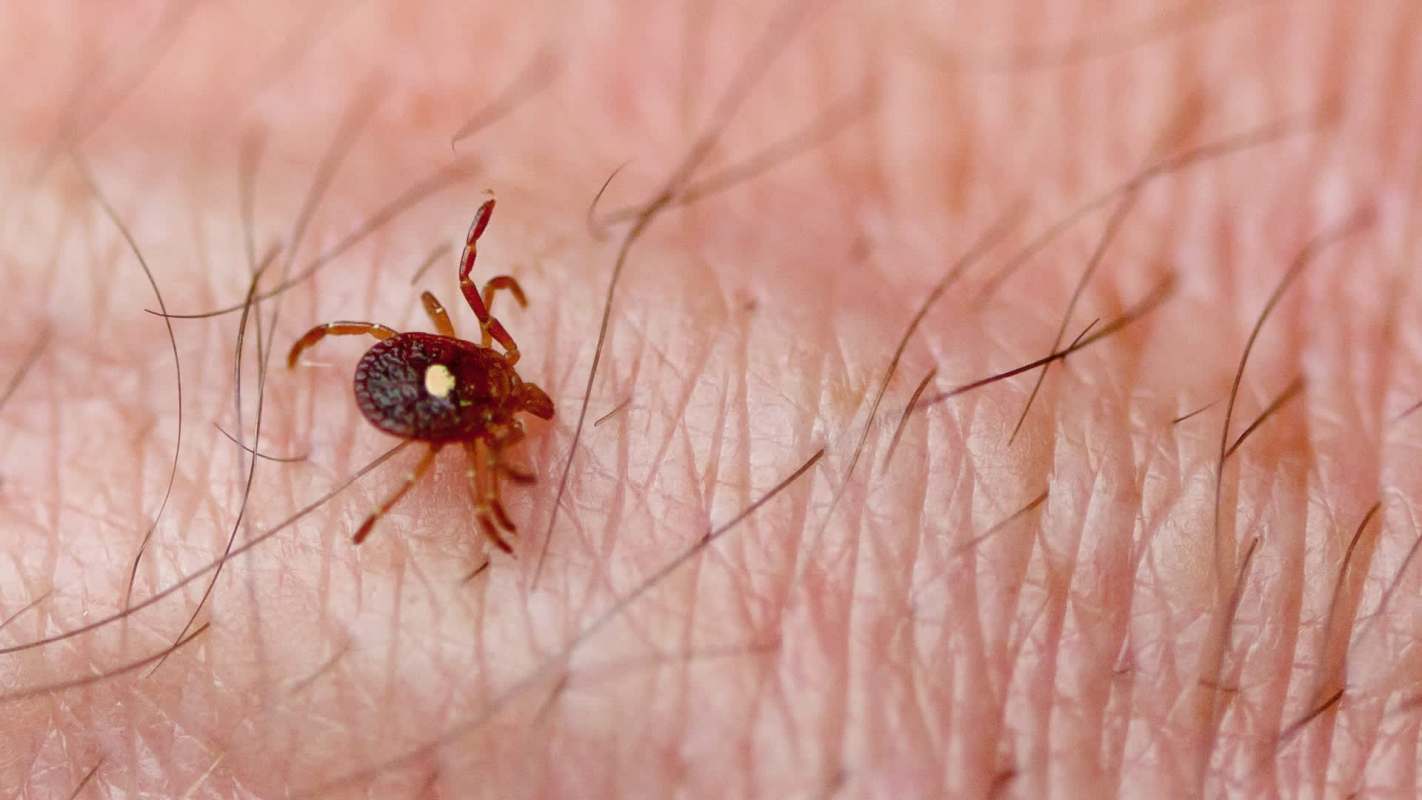
A potentially life-threatening tick-borne disease is becoming a growing public health concern as lone star ticks spread north, including in communities on Long Island, New York.
What's happening?
According to the Centers for Disease Control and Prevention, "alpha-gal is a molecule found in most mammals, such as cows and pigs, but not in people." Humans bitten by a tick carrying the sugar molecule can develop a serious allergy to meat and dairy products that carry alpha-gal.
The American Council on Science and Health reported in April that cases of alpha-gal syndrome, or AGS, may be increasing in parts of the Northeast as lone star ticks move farther north. New York's Suffolk County — home to Long Island — may be one of the clearest examples of the tick's expanded range.
According to a CDC study cited by the ACSH, an estimated 3,800 to 18,000 county residents had AGS between 2010 and 2022.
Nearby areas are showing a similar trend. In Martha's Vineyard in Massachusetts, there were two positive tests out of nine total in 2020 — and 523 positive tests out of 1,254 tests in 2024.
Unfortunately, many cases of AGS may go undiagnosed. One reason is that symptoms often do not appear right away.
TCD Picks » Quince Spotlight
💡These best-sellers from Quince deliver affordable, sustainable luxury for all




Unlike many food allergies, AGS reactions — such as hives, gastrointestinal distress, and anaphylaxis — often don't begin for hours after someone eats meat or dairy, making the reaction source harder to identify.
Why is an increase in alpha-gal syndrome concerning?
The condition can significantly disrupt daily life and, in some cases, become dangerous or even deadly. Its spread also points to a shift in where disease-carrying vectors can survive.
As average temperatures rise and tick habitats expand, communities that did not previously consider themselves tick country may face new risks. With this in mind, it may become increasingly important for families, doctors, and health systems to improve monitoring not only for AGS but also for babesiosis and Lyme disease.
What's being done about alpha-gal syndrome?
The most important response is awareness, both among the public and within the medical community.
As AGS appears in more northern areas, better tracking of tick populations and improved reporting of suspected cases may help health officials understand where risks are changing most quickly.
For individuals, preventing tick bites remains one of the clearest ways to reduce risk. That can include using safe tick repellent, wearing long sleeves and pants in grassy or wooded areas, and checking your body and pets after spending time outside.
As the range of lone star ticks continues to shift, clear information may be one of the most effective tools communities have.

Get TCD's free newsletters for easy tips, smart advice, and a chance to earn $5,000 toward home upgrades. To see more stories like this one, change your Google preferences here.






