


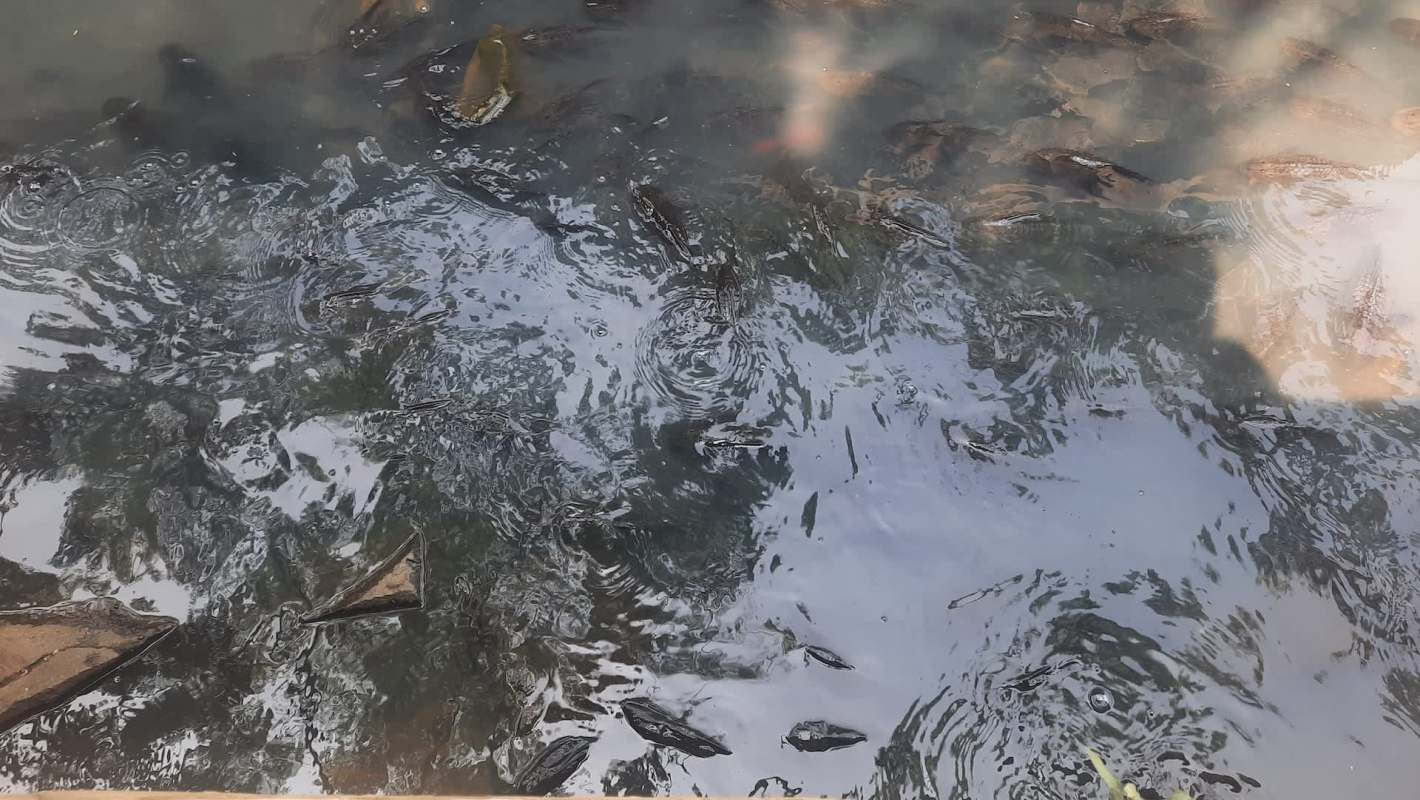
Slimy heaps of invasive fish are piling up along Jakarta's riverbanks as officials scramble to contain a species so hardy it can thrive in heavily polluted waterways — even where, as one river cleaning organizer put it, "the rivers are like dark black" and smell like "rotten eggs."
According to a report shared by Phys.org, the fish, known locally as sapu-sapu, were originally brought to Indonesia from South America to clean algae from aquariums. But after many were dumped into local waterways, they multiplied rapidly, pushing out native fish and turning a water pollution crisis into an even bigger ecological and public health problem.
Now, Jakarta has launched a broad removal campaign, with residents, sanitation crews, fisheries staff, and soldiers taking part in killing the invasive and destructive fish.
In just two weeks, workers in South Jakarta alone hauled roughly 5.8 tons of the fish from rivers, Phys.org explained. Native fish caught in the same nets were released, while sapu-sapu were killed and buried.
That response underscores how serious the problem has become.
The fish lack the natural predators they have in the Amazon, leaving little in Jakarta rivers to check their growth. They can grow to roughly 20 inches and can produce thousands of eggs annually, allowing them to quickly dominate waterways that are already under pressure.
TCD Picks » Quince Spotlight
💡These best-sellers from Quince deliver affordable, sustainable luxury for all




And the sapu-sapu are known to damage local riverbanks by digging holes to lay their eggs, a process which can collapse and weaken river walls.
Their success is closely tied to pollution. Local advocates say that removing the sapu-sapu may only offer a short-term fix, while cleaning up river pollution could more effectively reduce the waste the invasive fish depends on.
United Nations Environment Programme data shows that over half of Indonesia's rivers are heavily polluted and just 7.4% of municipal wastewater is safely collected and treated.
There is also concern for consumers who attempt to eat the fish.
"In some places, it is consumed as a dangerous snack called siomay (steamed fish dumpling) and pempek (fish cakes)," Mayor Muhammad Anwar explained.
However, locals warn that the fish could contain heavy metals and other contaminants not fit for human consumption.
This example is a vital reminder of how quickly invasive species can take over local ecosystems and leave behind devastating consequences.

Get TCD's free newsletters for easy tips, smart advice, and a chance to earn $5,000 toward home upgrades. To see more stories like this one, change your Google preferences here.







