


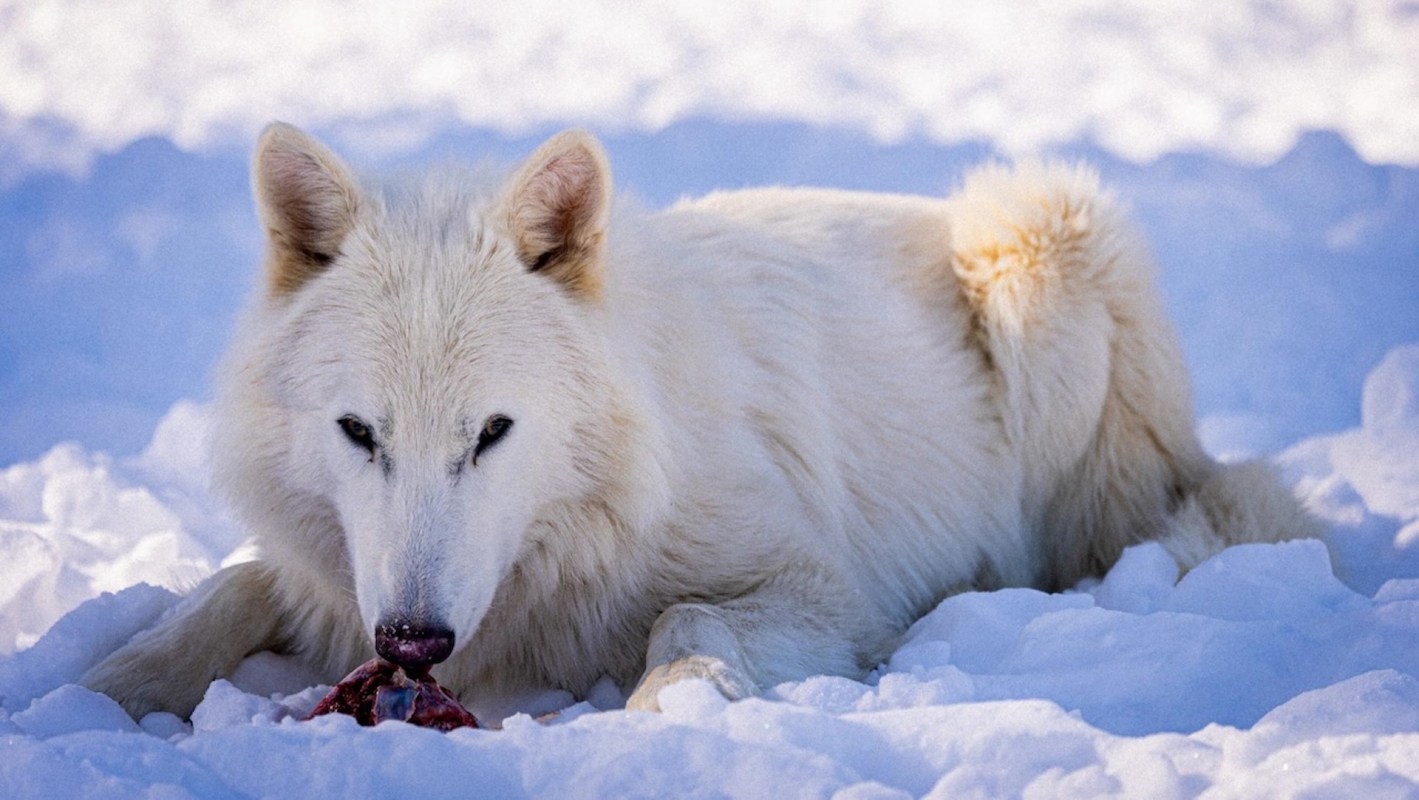
A new update from Colossal Biosciences suggests its incredible conservation science project is entering its next phase: The company says its recreated dire wolf pups are healthy, thriving, and now old enough to breed.
That marks a notable milestone for the Dallas-based biotech firm, which announced last year that it had used ancient DNA and modern gene-editing tools to create animals with key traits of the dire wolf, the Telegraph reported.
Dire wolves disappeared roughly 12,000 years ago near the end of the last ice age, but they remain familiar to many thanks to George RR Martin's "Game of Thrones" universe.
The company says its three young animals — Romulus, Remus, and Khaleesi — are living on a protected 2,000-acre site in the northern United States and being monitored in a semi-wild setting, according to the Telegraph.
The science behind the project is part of what makes the development so significant. Researchers compared DNA from dire wolf remains — drawing on samples that included an Idaho skull dated to about 72,000 years ago and an Ohio tooth dated to about 13,000 years ago — with the genome of the gray wolf, its closest living relative.
After identifying the most important differences, the team changed gray wolf DNA at 20 points to incorporate dire-wolf-linked features, such as a white coat, larger teeth, a heavier build, and a distinctive howl.
TCD Picks » Quince Spotlight
💡These best-sellers from Quince deliver affordable, sustainable luxury for all




As the Telegraph described, those edited cells were transferred into egg cells from domestic dogs and gestated by surrogate dogs. The pups were delivered by cesarean section to reduce the risk of complications.
Even beyond the headline-grabbing "dire wolf" angle, the work could have broader benefits for conservation. Tools such as gene editing, reproductive technology, and genetic diversity management could someday help scientists support endangered species that are still here today.
Projects like this can also draw public attention to biodiversity loss at a time when many species are under pressure from habitat destruction, rising temperatures, and declining prey populations.
It's believed that dire wolves themselves vanished as the climate changed and large prey species became scarcer — a reminder that extinction is often tied to sweeping environmental shifts.
At the same time, the effort remains controversial in the scientific community. Some researchers, as the Telegraph noted, have argued that these animals are more accurately genetically altered hybrids of living animals than a true return of the extinct dire wolf. Colossal has acknowledged that its process does not produce a 100% genetically identical copy of the original species.
Still, the update points to how quickly biotech is advancing. Colossal has also announced plans involving the dodo, woolly mammoth, thylacine, moa, and bluebuck, framing the work as part of a broader push to combine cutting-edge genetics with conservation goals.
"The plan is to create an inter-breedable population of dire wolves in which they would eventually breed naturally to create a sustainable population of the world's first de-extincted species," Chief Animal Officer Matt James said in a company statement, according to the Telegraph.
James added, "The dire wolf pack is actually breeding-aged at this point, but we will initially grow the pack through assisted reproduction while we create new, genetically diverse individuals to grow our pack."
And co-founder and CEO Ben Lamm said the animals "are doing great," adding that the company hopes "to have more dire wolf pups by the end of the year."

Get TCD's free newsletters for easy tips, smart advice, and a chance to earn $5,000 toward home upgrades. To see more stories like this one, change your Google preferences here.







