


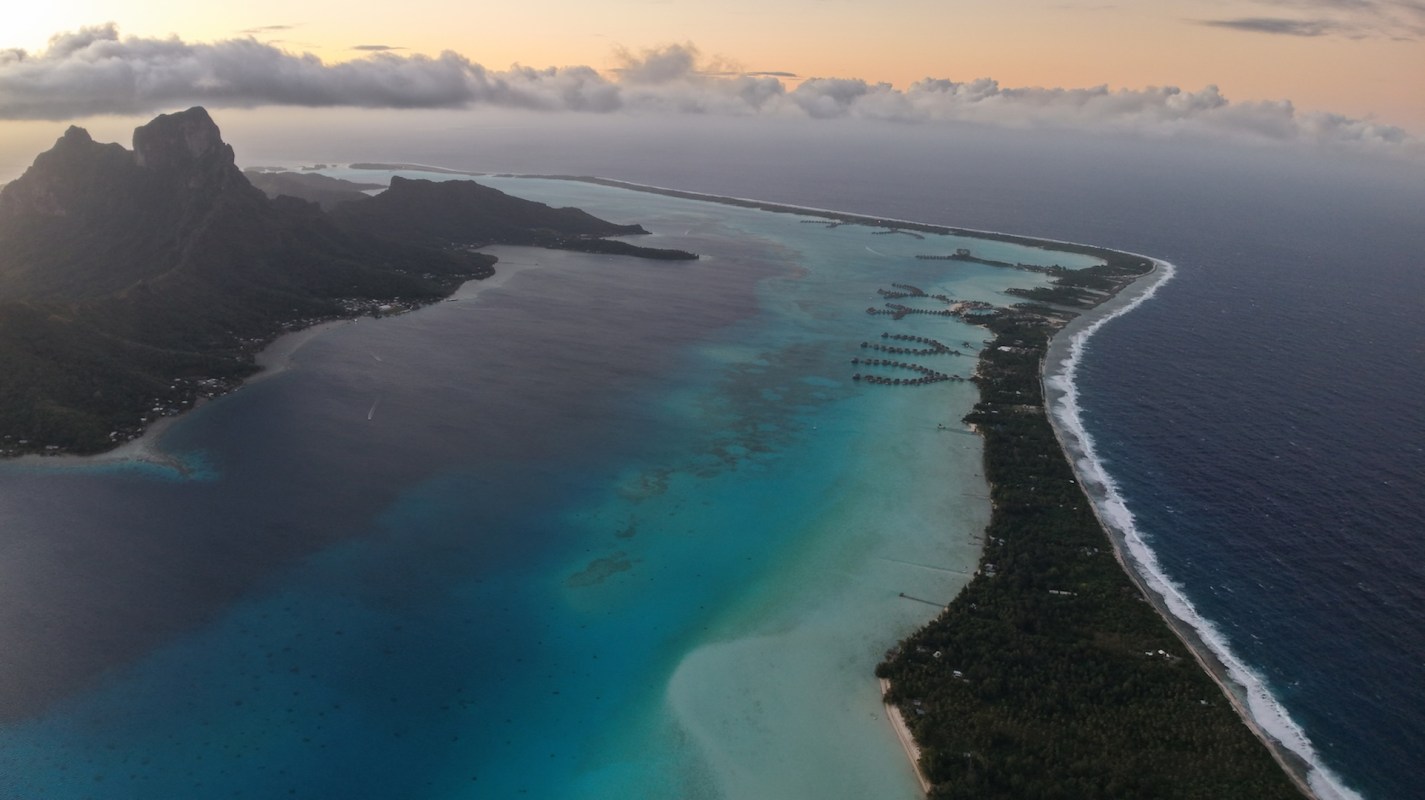
The South Pacific is often treated as one of the planet's last untouched expanses, but new research suggests that zinc released by human activity has reached even the world's most remote ocean.
According to an ETH Zurich write-up detailing a study published in Communications Earth & Environment, researchers at ETH Zurich and GEOMAR Helmholtz Center for Ocean Research in Kiel found that zinc from the combustion, burning, and smelting of gas, oil, and coal has spread through the atmosphere into one of the most remote regions on Earth. In the upper South Pacific, this human-made zinc now appears to outweigh natural sources.
The researchers set out to answer a basic but important question: What is the source of the zinc in these waters? Zinc is a trace metal that marine life needs in small amounts, especially phytoplankton, the microscopic algae that absorb carbon dioxide and produce oxygen through photosynthesis.
That makes the findings especially notable.
If human activity is changing the mix of trace metals in surface waters, it could alter the nutrient balance phytoplankton rely on — and potentially affect climate regulation and the broader marine food web.
To investigate, researchers measured both dissolved zinc in seawater and zinc isotope patterns in seawater particles and in aerosols aloft. These tiny airborne particles can carry metals thousands of miles before depositing them over the open ocean, ETH Zurich detailed.
TCD Picks » Quince Spotlight
💡These best-sellers from Quince deliver affordable, sustainable luxury for all




Those isotopes act like fingerprints.
Zinc moving through natural ocean cycles is more associated with heavier isotopes like Zn-66, while pollution-related zinc is more associated with lighter isotopes like Zn-64. The team also measured lead isotopes, a well-established marker of pollution, to help determine whether the source was industrial.
The result researchers found was striking: Aerosols carrying industrial zinc seem to supply most of the zinc in the upper South Pacific, with natural zinc scarcely present. The finding challenges the idea that remote ocean regions are largely insulated from industrial fallout.
"Essentially, all of the zinc in the particles from the upper South Pacific is unnatural," lead author Tal Ben Altabet said, according to ETH Zurich.
Similar research found that PFAS, or forever chemicals, have also made their way to this remote region. Another study found plastic particles from human pollution deeper in ocean waters than previously believed.
The broader concern is what happens next. As ETH Zurich noted, surface waters are naturally depleted in zinc and other trace metals because phytoplankton use them, so even relatively small human-driven changes could matter.
The researchers said that if zinc, iron, copper, cadmium, and other essential metals continue accumulating from human sources, the shift could ripple through marine ecosystems and affect ocean processes that help stabilize Earth's climate.
"There is no more untouched nature," Ben Altabet stated, according to ETH Zurich, "not even in the South Pacific, which is as far away from the nearest civilization as the astronauts on the International Space Station."

Get TCD's free newsletters for easy tips, smart advice, and a chance to earn $5,000 toward home upgrades. To see more stories like this one, change your Google preferences here.







